


Business credit cards with EIN only: best startup business credit cards (2026)

Content Team

Summary
Most EIN-only business credit cards are actually corporate cards or corporate charge cards. They underwrite the company’s cash, revenue, funding, or collateral rather than relying on the founder’s personal credit score
Popular EIN-only corporate card options include Aspire1, Ramp, Brex, BILL Divvy, and Rho. Alternatives include FairFigure's revenue-based Lift Card and AtoB's fuel card. Requirements vary by issuer
Aspire's corporate card2 uses a secured collateral model, so the collateral you fund sets your spending limit, up to your approved credit limit, and there's no minimum account balance. It may suit early-stage startups that don't meet other issuers' cash thresholds and can repay daily
Other corporate cards look for stronger finances. Ramp asks for USD $25,000 in a linked US business bank account, and Brex asks funded startups for USD $50,000 for monthly payments
An EIN doesn't guarantee approval or replace identity checks. Some issuers ask for an SSN, some accept a passport, and FairFigure collects an SSN even though it runs no personal credit check
On any business credit card, “EIN only” can mean no SSN, no personal credit check, or no personal guarantee. These are separate requirements, so check each one for every card you compare
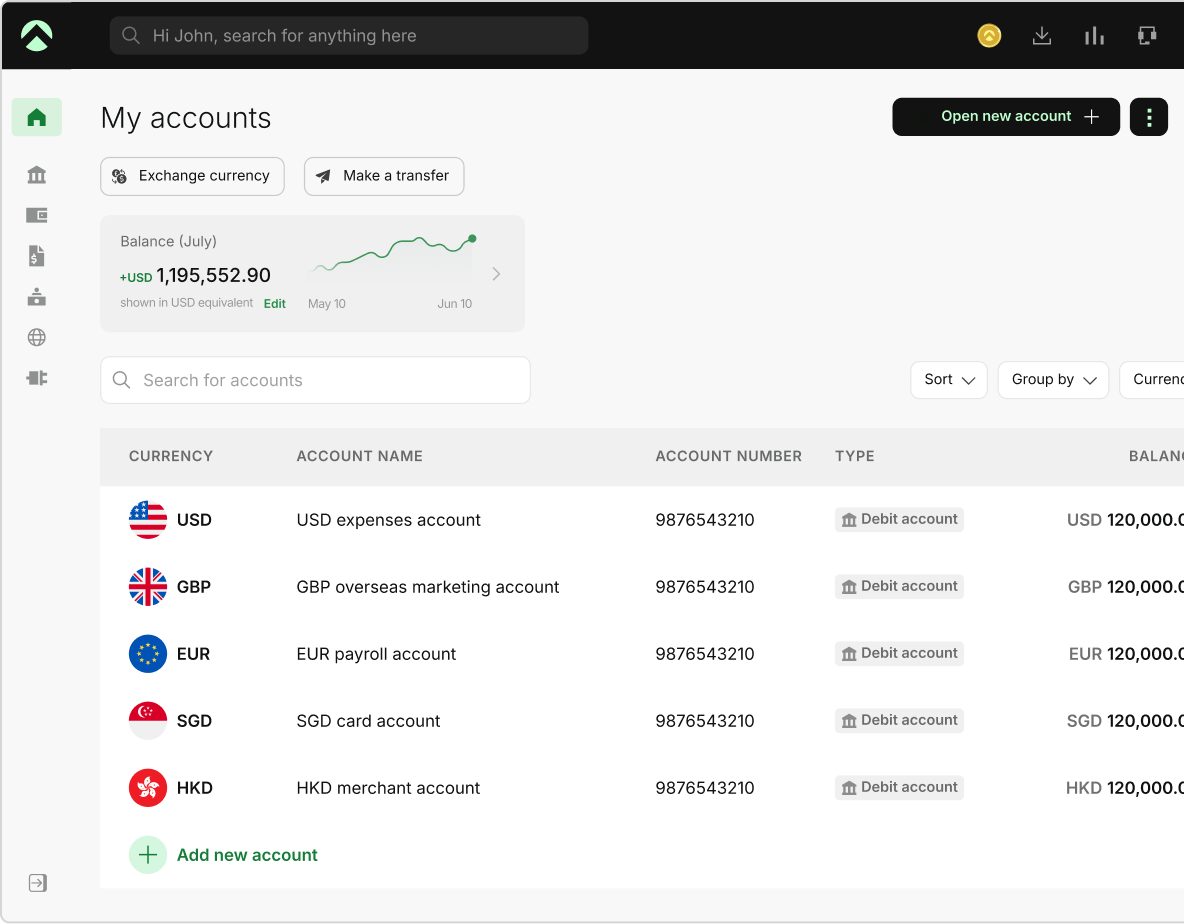
One Aspire account to manage your business finances in one place.
Get a business account¹, issue corporate cards², manage expenses, and automate financial workflows, all from one powerful platform built for modern businesses.
You can get EIN only credit cards, mostly through corporate card providers rather than traditional banks. These business cards use your company's EIN (Employer Identification Number) to identify the business, while issuers assess eligibility based on factors such as cash, revenue, funding, or collateral. Your EIN identifies the business for tax purposes, though. It doesn't guarantee approval, and many issuers still verify the people behind the business with an SSN or a passport.
Cards are also more widely used than loans or lines of credit. In an NBER study of US small businesses that use QuickBooks, 55% of surveyed firms had used a corporate credit card in the past 12 months, compared with 26% for loans and 27% for lines of credit.
EIN-only credit cards vary widely in what they ask for, from a collateral deposit or 3 months of bank statements to USD $50,000 in the bank.
Can you get a business credit card with EIN only?
Yes, mainly through corporate card providers like Aspire1, Ramp, and Brex rather than most traditional bank cards. These issuers underwrite your company's cash balance, revenue, funding, or collateral instead of relying on your personal credit score. Eligibility depends on the issuer's accepted entity types, which may include LLCs, corporations, partnerships, and other qualifying business structures. Some, like Ramp and Aspire, accept a passport when no officer or control person has an SSN. Most are also charge cards, so you repay the full balance each cycle rather than carrying it, and requirements vary by issuer. If you need other options, you can also consider FairFigure's revenue-based Lift Card or AtoB's fuel card, though neither is a general-purpose credit card.
When comparing EIN number credit cards, remember that “EIN only” can mean four different things, and they don’t always come together:
- EIN-based application: you apply with your company’s EIN as its tax ID
- No SSN: the issuer accepts another ID, like a passport, if you don’t have an SSN
- No personal credit check: the issuer doesn’t review your personal credit to approve you
- No personal guarantee: you aren’t personally liable if the business can’t repay
Types of business cards you can get with an EIN
Most EIN credit cards fall into one of four product types, and each one works differently.
Corporate charge cards
Ramp, Brex, BILL Divvy, and Rho underwrite your company's cash, revenue, or funding, and you repay the full balance on a set schedule. Most add employee cards, spend limits, and accounting integrations.
Secured corporate cards
The Aspire corporate card2 is backed by a collateral deposit you fund, so your deposit sets your limit instead of your bank balance or revenue. Amounts due are repaid daily.
Revenue-based funding cards
FairFigure's Lift Card bases its offers on your business data and expected revenue. FairFigure says it isn't a credit card or a charge card.
Fuel and fleet cards
AtoB's fuel card sets your limit from your weekly fuel spend and is built for vehicle-related purchases rather than general business spend.
Best business credit cards with EIN only: 2026 comparison
The best EIN-only corporate cards for you depend on your business stage, from pre-revenue to venture-backed. The comparison below also includes two alternatives: FairFigure's revenue-based Lift Card and AtoB's fuel card. We compare these options on eligibility, identity checks, personal liability, fees, and repayment terms. Providers can change their terms, so confirm the latest requirements before applying.
| Provider | Type | Best for stage | Personal guarantee | SSN required | Key requirement | Annual or subscription fee | Personal credit check | Carry a balance |
|---|---|---|---|---|---|---|---|---|
| Aspire1 | Secured charge card2 | Early-stage and international founders with a US entity | No | From a US control person who has one; passport or driver’s license otherwise | Collateral deposit sets your limit; no minimum account balance | None on the Basic plan | No | No |
| Ramp | Corporate charge card | Scaling startups with strong cash | No | Last 4 digits for one officer; foreign passport and proof of address otherwise | USD $25,000 in a linked US business bank account | Free per user; Plus: USD $15/month per user plus a platform fee; Enterprise: custom pricing | Not stated by Ramp | No |
| Brex | Corporate charge card | Venture-backed startups | No | Not stated by Brex | USD $50,000 if funded; daily-pay option below that | Essentials: Free; Premium: USD $12/month per user; Enterprise: custom pricing | No impact on personal credit when you apply | No |
| BILL Divvy | Corporate charge card | Teams that want a choice of credit line types | Not stated by BILL | Not stated by BILL | Registered business, US business bank account, and EIN; subject to underwriting | No annual fee | No impact on your credit when you apply | No |
| Rho | Corporate card | Startups that want banking, treasury, and cards together | No | Not stated by Rho | US incorporation and EIN; Monthly Terms from USD $25,000 held at Rho or USD $75,000 across Rho and linked accounts | No annual, subscription, or per-card fee | No hard or soft check | No |
| FairFigure Lift Card | Revenue-based funding card | Businesses with steady deposits that want to build business credit | No | Yes, for identity checks only | 3+ months in business and USD $2,500+ in deposits; SSN collected for identity checks | No annual fee | No | No; 4- or 8-week payback plan |
| AtoB | Fuel card | Fleets and businesses with heavy fuel spend | No | No | EIN, driver's license, and 3 months of bank statements | No start-up charges; see AtoB's fee schedule | No hard credit check | Not stated by AtoB |
FairFigure and AtoB aren’t general-purpose credit cards. FairFigure’s Lift Card is a revenue-based funding product, and AtoB's card covers fuel and fleet spend, so compare them on what you'll actually use them for.
If you're early-stage or don't meet a cash-balance requirement yet, a secured model like Aspire's lets you set your limit with a collateral deposit instead.
How to qualify for business credit cards with EIN only
Eligibility usually comes down to one or more of these:
- Cash balance
- Revenue
- Funding history
- Collateral deposit
- Time in business and deposit history
Most small business credit cards using EIN only, including the corporate cards on this list, underwrite against these factors rather than relying on your personal credit score. Requirements vary by issuer, but many ask for an eligible US-registered business entity, a US physical address, and a US business bank account.
Traditional business cards often check your personal credit and ask for a personal guarantee instead. They usually don't set a cash-balance threshold, and many are open to sole proprietors.
EIN-only corporate cards flip that. Many skip the personal guarantee and don't rely on your personal credit, but you'll need a formal US entity and, depending on the provider, a collateral deposit, up to USD $50,000 in the bank, or a revenue history. Identity checks still apply, so expect to share an SSN or, with some issuers, a passport.
Already have an SSN? Here's why US founders still choose corporate cards
Even founders with an SSN often choose corporate cards over traditional business credit cards. The personal guarantee and limited spend controls on many bank-issued cards are the main reasons why.
- Issuers like Ramp, Brex, and Rho don't require a personal guarantee, so you aren't personally guaranteeing the company's card balance
- Applying for a traditional business card often means a credit check on you; Rho says it runs no hard or soft check, and Brex says applying doesn't affect your personal credit
- Corporate cards usually sync directly with accounting software, so transactions and receipts reconcile without manual exports
- If you're paying contractors, running ad spend, or managing a team, you can issue a card per person or vendor and set spend limits on each one
7 best business cards with EIN only in 2026
1. Aspire secured corporate card
Best secured corporate card for early-stage startups
If you're comparing EIN only business credit cards for startups and your business is pre-revenue or hasn't raised funding yet, other issuers' cash and funding thresholds can be difficult to meet.
The Aspire corporate card2 uses collateral instead.
How it works
Instead of evaluating your cash balance, Aspire1 uses a secured collateral model. You fund a Cards Collateral Account from your Aspire Checking Account1, and that deposit sets your card's spending limit, up to your approved credit limit. There's no minimum account balance. Because it's a secured charge card, any amount due is repaid daily at 6 pm PT, so you don't carry spend from one day to the next.
Approval is still subject to Aspire's eligibility checks.
What makes it stand out
- No monthly fee on the Basic plan
- A potential fit for pre-revenue startups, since your limit comes from your deposit
- Virtual and physical cards with unlimited 1.5% cashback^ on eligible spend
- Built for US-incorporated companies with an EIN
When not to choose Aspire
Aspire works best for founders who are comfortable with a secured model. If you'd rather have an unsecured limit and repay less often than daily, a card like Ramp or Brex may suit you better once you meet their cash thresholds.
Daily repayment also means you need cash on hand for each day's spend. If you buy inventory upfront and wait weeks for customers to pay, a longer repayment cycle may suit your cash flow better.
Founder insight: Aspire asks for the SSN of your company's control person if they're a US person with one. If they don't have an SSN, a passport or driver's license works instead, along with proof of address if the ID doesn't show it. Having these ready keeps your application from stalling in review.
2. Ramp corporate credit card
Best EIN-only business credit card for startups with strong cash reserves
Ramp doesn't require founders to personally guarantee the company's expenses. Instead, it looks at the cash in your linked US business bank account.
How it works
Ramp connects to your business bank account to underwrite your application. You need at least USD $25,000 in a linked US business bank account, and your company must be a corporation, LLC, or LP. Sole proprietors aren't eligible, and you need a physical US address. PO boxes, virtual offices, and registered agent addresses don't count. It's a charge card, so you pay the full statement balance by each due date, and your payment cadence depends on your card terms.
What makes it stand out
- Automated receipt capture and real-time spend controls by employee or department
- Integrations with QuickBooks, Xero, and NetSuite
- A free plan, with paid plans for advanced features
When not to choose Ramp
Ramp works best for startups that have crossed the cash-reserve threshold and need more detailed expense controls for a growing team. If you're pre-revenue, under the USD $25,000 minimum, or need to finance purchases over time, you'll likely find a better fit elsewhere at this stage.
One thing to know: Ramp's application asks for the last 4 digits of an SSN for one corporate officer. If no officer has an SSN, you can submit a foreign passport and proof of address instead.
3. Brex corporate credit card
Best EIN-only business credit card for venture-backed startups
Brex is designed for venture-backed startups and well-funded companies with high monthly spend. You apply with your company's EIN, and Brex doesn't require a personal guarantee.
How it works
Brex sets your limit from your company's financial profile, including revenue, amount raised, and cash balance. Funded startups need a minimum cash balance of USD $50,000 for monthly payments. If you hold less or haven't raised yet, you may still qualify for an account with daily payments. Every applicant needs a US EIN and a US physical address.
What makes it stand out
- No foreign transaction fees, plus local-currency cards to avoid FX markups
- Up to 7x points on rideshare, 3x on restaurants, and 2x on software
- Applying doesn't affect your personal credit
When not to choose Brex
If you're a funded startup holding under USD $50,000, or you haven't raised yet, expect daily payments rather than monthly ones. Brex also notes that meeting its requirements doesn't guarantee approval.
Important 2026 update: Brex acquisition by Capital One
Capital One completed its acquisition of Brex on Apr 7, 2026, in a deal valued at about USD $5.15 billion. Brex continues to operate with its own CEO, but confirm current eligibility and pricing with Brex before you apply.
4. BILL Divvy corporate card
Best EIN-only business credit card for flexible credit line options
BILL doesn't publish a minimum bank balance. To apply, you need a registered business such as an LLC or corporation, a US business bank account, and an EIN. BILL then offers variable, fixed, and secured credit lines from USD $1,000 to USD $5 million, depending on your business's financial health.
How it works
BILL Divvy underwrites using your business's financial health and application details, and BILL says applying has no impact on your credit. Paying more often or starting with a smaller credit line can help you get more lenient terms. It's a charge card, so you repay the full balance each cycle with no interest. Spend controls, virtual cards, and expense management sit in one dashboard.
What makes it stand out
- Up to 7x points on restaurants and 5x on hotels with a weekly payment schedule, with fewer points if you pay less often
- Virtual card controls for team spending
- No annual fees
When not to choose BILL Divvy
BILL Divvy works best for startups that can repay weekly and want to maximize rewards on everyday business spend. If you prefer flat-rate cashback or spend heavily abroad, check the card agreement first, since foreign currency and cross-border fees may apply.
5. Rho corporate credit card
Best EIN-only business credit card for B2B startups wanting a full financial platform'
Rho positions itself as banking and corporate cards in one platform, designed for B2B startups that want to manage treasury, payroll, and card spending from a single dashboard.
How it works
To apply, you need US incorporation and an EIN. Rho says it doesn't require a personal guarantee or run a hard or soft check on your credit. You choose Daily or Monthly Terms, and Monthly Terms opens at USD $25,000 held at Rho or USD $75,000 across Rho and linked external accounts, subject to underwriting. The card sits inside a broader platform that includes business checking, treasury, and bill pay.
What makes it stand out
- Up to 2% cashback with Rho Platinum, subject to Rho's terms
- No annual, subscription, or per-card fees
- Bill pay to hundreds of vendors with no fees
When not to choose Rho
Rho works best if you want banking, treasury, and cards on one platform. If you can't hold USD $25,000 at Rho or USD $75,000 across Rho and linked accounts, expect Daily Terms rather than monthly repayment.
6. FairFigure Lift Card
Best EIN-only funding card for businesses building credit from revenue
FairFigure's Lift Card, formerly the FairFigure Capital Card, isn't a credit card or a charge card. FairFigure bases its offers on your business data and expected future revenue, and it positions the card as a way to build business credit with an EIN.
How it works
Your business needs to be at least 3 months old with at least USD $2,500 in deposits. FairFigure doesn't check your personal credit reports, require a personal guarantee, or ask for a deposit. You choose your amount and a 4- or 8-week payback plan.
What makes it stand out
- Up to 2% cashback with Rho Platinum, subject to Rho's terms
- No annual, subscription, or per-card fees
- Bill pay to hundreds of vendors with no fees
When not to choose Rho
Rho works best if you want banking, treasury, and cards on one platform. If you can't hold USD $25,000 at Rho or USD $75,000 across Rho and linked accounts, expect Daily Terms rather than monthly repayment.
6. FairFigure Lift Card
Best EIN-only funding card for businesses building credit from revenue
FairFigure's Lift Card, formerly the FairFigure Capital Card, isn't a credit card or a charge card. FairFigure bases its offers on your business data and expected future revenue, and it positions the card as a way to build business credit with an EIN.
How it works
Your business needs to be at least 3 months old with at least USD $2,500 in deposits. FairFigure doesn't check your personal credit reports, require a personal guarantee, or ask for a deposit. You choose your amount and a 4- or 8-week payback plan.
What makes it stand out
- Reports to Equifax Commercial, Experian, CreditSafe USA, and SBFE
- No annual fee
- More EIN-only funding options for businesses with around USD $5,000 or more in monthly revenue
When not to choose FairFigure
If you want a revolving credit line or a card built for team spend, compare the corporate cards above. FairFigure also collects your SSN and home address for identity checks, though it says this information isn't used for funding decisions and won't affect your personal credit score.
7. AtoB fuel card
Best EIN-only business gas card for fleets
AtoB is a fuel card for fleets of any size, starting from a single vehicle. It's accepted at US stations that take Mastercard, so it suits businesses whose biggest card spend is fuel.
How it works
To apply, you upload your EIN, a driver's license, and bank statements from the past 3 months. AtoB serves LLCs, C-corporations, and nonprofits, says it won't ask for a credit score or an SSN, and doesn't require a personal guarantee. It sets your credit limit from your weekly fuel spend.
What makes it stand out
- Discounts of up to 25¢ per gallon at 40,000+ retail fuel stations, according to AtoB
- No start-up charges
- Reports to Experian, so on-time payments can count toward your business credit
When not to choose AtoB
AtoB is built for fuel and fleet spend. If you need one card for SaaS, ads, travel, and contractors, a general-purpose corporate card fits better. Its application page doesn't spell out repayment terms, so check AtoB's fee schedule and platform agreement before you apply.
Business credit cards for LLC with EIN only
Ramp, Brex, BILL Divvy, and AtoB explicitly list LLCs as eligible, not just C-corps, and Aspire1 and Rho accept US-registered companies with an EIN. At a minimum, expect to need a formal business entity, a US EIN, and a US business bank account, plus whatever cash, revenue, or collateral the issuer asks for.
Single-member LLCs can apply too, as long as the LLC has its own EIN and meets the issuer's financial requirements. Partnerships vary more: Ramp lists LPs as eligible, while BILL describes eligible applicants as registered businesses such as LLCs and corporations, so confirm your entity type before applying if you're structured as a partnership.
Note: Ramp doesn't accept sole proprietors, and most corporate card programs ask for a registered entity. Capital on Tap, covered under alternatives, does accept some sole proprietors. If you're operating as a sole proprietor and want to separate business and personal finances, a secured business credit card or a net-30 vendor account can be a practical starting point while you build credit history.
How to apply for business credit cards using EIN only
To apply for a business credit card with EIN only, you need a registered US entity, a business bank account, and documents that verify the people behind the business. Here’s the order to work through them.
1. Incorporate your US entity
EIN-only card providers have different entity eligibility requirements. Depending on the issuer, eligible structures may include LLCs, corporations, limited partnerships, and other qualifying business entities. Check the issuer's requirements before applying.
2. Get your EIN from the IRS
Your EIN is free from the IRS. You can apply online only if the responsible party has an SSN or ITIN and your principal place of business is in the US. Otherwise, apply by phone, fax, or mail. Your EIN is your company's tax ID. Already have one but can't find it? Check the CP 575 notice the IRS sent when it assigned your EIN, a previously filed tax return, or your business bank account or license paperwork. You can also call the IRS Business and Specialty Tax Line at 800-829-4933, 7am–7pm local time, Monday to Friday. The IRS will only give the number to someone authorized to receive it, like a corporate officer or LLC member.
3. Open a US business bank account
Most corporate card issuers ask for a connected US business bank account. A secured card like the Aspire corporate card2 asks you to fund a collateral account from your Aspire checking account1 instead. FairFigure and AtoB also review your recent bank deposits or statements.
4. Prepare identity verification
Every issuer verifies the identity of your company's owners and officers, though what each one asks for varies. If you have an SSN, you'll use it. If you don't, some providers, including Ramp and Aspire, accept a passport, usually alongside proof of address. AtoB asks for a driver's license, and FairFigure collects your SSN for identity checks even though it doesn't run a personal credit check.
5. Check eligibility before you apply
Compare your entity type, cash position, revenue, funding stage, and identity documents against each issuer's published requirements, and check repayment terms and fees too. Applying for cards whose requirements you already meet, rather than the one with the best perks, helps you avoid declined applications. If you don't meet any issuer's threshold yet, see the alternatives below.
What to compare before you choose
Before choosing an EIN-only business card, look beyond the advertised rewards and fees. Check whether you meet the issuer's eligibility requirements, whether it requires an SSN or personal guarantee, and how it assesses your business's finances. Repayment terms, credit limits, and reporting to business credit bureaus also matter, particularly if you're managing cash flow or building business credit.
Personal credit checks and personal guarantees
These are separate. A personal credit check is one factor an issuer may consider when assessing an application, while a personal guarantee is a contractual commitment to repay the debt if the business cannot. Their implications depend on the issuer's underwriting criteria and the terms of the guarantee. Capital on Tap, for example, says applying won't affect your personal credit score but still requires a personal guarantee.
Repayment terms
Repayment ranges from daily with the Aspire corporate card2 to weekly, semi-monthly, or monthly with BILL Divvy and a 4- or 8-week plan with FairFigure. Pick a cadence your cash flow can handle.
Rewards and fees
Compare the full reward structure, not the headline rate. Aspire's 1.5% cashback^ excludes spend at non-US merchants, BILL Divvy's top multipliers depend on a weekly payment schedule, and Rho's cashback rate is lower on Monthly Terms than on Daily Terms.
Credit limits and spending controls
Limits come from different places: your collateral with Aspire, your financial profile with Brex, and your weekly fuel spend with AtoB. If you're managing a team, check whether you can issue a card per employee or vendor and set limits on each.
How to build business credit and a line of credit with EIN only
Lenders set their own criteria, but a startup business line of credit with EIN only is hard to get without business credit history and revenue to show. When you apply for credit with EIN only, lenders usually rely on your business credit profile, which is separate from your personal credit report. Here’s how to start business credit with EIN, D-U-N-S, and accounts that report:
Start with your EIN
Lenders, card issuers, and vendors may ask for it when you apply for credit in your company's name, so get it before anything else.
Register for a D-U-N-S number
Dun & Bradstreet issues this identifier for free, and standard processing can take up to 30 business days. Some lenders and suppliers ask for it on applications. It's worth setting up early rather than after you've already applied for a card.
Open accounts that actually report to business bureaus
Some EIN-only cards report to business credit bureaus. FairFigure reports to Equifax Commercial, Experian, CreditSafe USA, and SBFE, and AtoB reports to Experian. Many net-30 vendor accounts with suppliers who extend trade credit report too. Not every account reports, so confirm before you count on it.
Pay on time, every time
Late or missed payments can show up on your business credit file, and with a personally guaranteed card like Capital on Tap, on your personal credit file too.
Check your reports periodically
Dun & Bradstreet, Experian Business, and Equifax Business each keep their own file on your company, so check all three and dispute any errors before you apply for credit.
Establishing business credit with EIN-based accounts takes time, since new accounts can take a while to appear on your business credit reports. A longer, consistent payment history can help when you later apply for higher limits or a business line of credit with an EIN only, depending on each lender's requirements.
How to use an EIN-only business card
Using an EIN-only business card effectively means matching your spending to the card's repayment terms and keeping business transactions organized. Before making purchases, understand when payments are due, how to monitor transactions, and what fees or reporting consequences may apply if you miss a payment.
Match spending to your repayment cycle
Charge cards don't let you carry a balance, so keep enough cash available for each due date. With the Aspire corporate card2, that means funding your Aspire1 checking account before the 6 pm PT daily repayment.
Review transactions every week
Check card activity, receipts, and unusual charges while they're fresh. Use receipt capture and spend alerts where your card offers them, so month-end reconciliation doesn't pile up.
Avoid missed payments and surprise fees
A missed payment can mean late fees, lost rewards, and negative credit reporting. Capital on Tap can report missed payments to your business and personal credit files, and Rho forfeits your cashback if you don't pay the full statement balance on time.
Pros and cons of EIN-only business credit cards
EIN-only business cards can help separate business spending from personal finances, but eligibility requirements and repayment terms vary by provider. Consider the advantages alongside the financial and operational limitations before choosing a card.
| Pros | Cons |
|---|---|
| Some providers, including Ramp, Brex, and Rho, don't require a personal guarantee. | Fewer providers offer EIN-only options than traditional business credit cards. |
| Applying doesn't affect personal credit with providers such as Brex, BILL, and Rho, according to their stated policies. | Most unsecured options require a meaningful business cash balance or other evidence of financial strength. |
| Credit limits may be based on business finances or collateral rather than personal credit history. | Most corporate card options require full repayment each cycle rather than allowing you to carry a balance. |
| Built-in expense management features may include virtual cards, spending limits, receipt capture, and accounting integrations. | Some providers still request SSN details from a corporate officer for identity verification. |
| Some providers accept international founders with qualifying US entities and alternative identity documents, such as passports. | Obtaining a business line of credit using only an EIN can be difficult without revenue or an established business credit history; specialized products, such as fuel cards, may also restrict spending to specific categories. |
What works in your favor
- No personal guarantee with issuers like Ramp, Brex, and Rho
- No impact on your personal credit when you apply, at issuers like Brex, BILL, and Rho
- Credit limits based on company finances or collateral, not personal credit history
- Built-in expense management: virtual cards, spend limits, receipt capture, accounting integrations
- Open to international founders with US entities, at providers that accept passport verification
What to plan for
- Fewer providers than traditional business credit cards
- Most unsecured options require a meaningful cash balance to qualify
- Most operate as charge cards that require full repayment each cycle
- Some providers still ask for SSN digits for one corporate officer
- Lines of credit are harder to get with only an EIN than cards, as most lenders want revenue history
- Specialized products like fuel cards only cover certain types of spend
Alternatives to EIN-only business credit cards worth checking
If your business doesn't yet meet a corporate card's cash or revenue threshold, an EIN secured credit card may be worth considering. These secured business cards require a cash deposit that typically determines your credit limit, although approval requirements and personal credit checks vary by issuer. Unlike most corporate charge cards, these are revolving cards, so you can carry a balance if you need to, with interest. Some also report to business credit bureaus, so you build credit as you spend.
The tradeoff: a secured business credit card isn't an EIN-only product. These cards are approved subject to a credit review, and the lender may look at your personal credit history as well as your business.
If you have an SSN and are comfortable with a personal credit review, conventional business cards are another route. A few alternatives worth comparing:
Bank of America Business Advantage Unlimited Cash Rewards Secured Mastercard
Requires a minimum USD $1,000 security deposit, which sets your credit line. There's no annual fee, and it earns 1.5% cashback on all purchases. Bank of America also reviews accounts periodically, and if your credit history improves, you could move to an unsecured card.
FNBO Business Edition Secured Mastercard
Deposits for this FNBO card range from USD $2,000 to USD $10,000, and the annual fee is USD $39. Approval is subject to credit review, and product availability varies by the county of your primary residence.
Valley Visa Secured Business Credit Card
Valley asks for a security deposit of 110% of your approved credit limit, held in an account that doesn't earn interest. There's no annual fee, and purchases get a 0% APR for the first 6 billing cycles. You apply at a branch or by mail, and you're personally liable for the balance. Valley offers the card to US businesses and to US citizens and resident aliens living in the US.
Capital on Tap business credit card
Capital on Tap often appears in EIN-only roundups, but it's a revolving business credit card with personal liability attached. The application asks for your SSN, and you apply as an active director or a shareholder with at least 25% ownership who signs a personal guarantee. The business needs at least 6 months of trading history and USD $2,500 or more in monthly revenue. Applying won't affect your personal credit score, and payments are reported to business credit bureaus, but missed payments can reach your personal credit file. There's no annual fee, and it earns 1.5% cashback, or 2% with weekly AutoPay. Businesses in Nevada, North Dakota, South Dakota, and US territories can't apply yet.
Capital One Spark Cash Plus
Spark Cash Plus is a pay-in-full card with no preset spending limit and unlimited 2% cashback on every purchase. The annual fee is USD $150, refunded each year you spend at least USD $150,000. It isn't an EIN-only card: the application asks for your SSN, and Capital One lists excellent credit as the expected credit level.
Chase Ink Business Cash Credit Card
Ink Business Cash has no annual fee and earns 5% cashback on the first USD $25,000 you spend each year at office supply stores and on internet, cable, and phone services. It earns 2% on the first USD $25,000 at gas stations and restaurants, and 1% on everything else. You get a 0% intro APR on purchases for 12 months, and approval is subject to Chase's credit review.
Which EIN-only business credit card should you apply for
- If your business doesn't meet the cash-reserve requirements of some corporate card providers, consider whether Aspire1's secured corporate card model fits your needs. Your collateral deposit determines your spending limit, up to your approved credit limit, and there's no minimum account balance. You'll still need to fund the collateral account and manage daily repayments. If your company's control person doesn't have an SSN, Aspire accepts a passport or driver's license, subject to its identity verification requirements. Approval remains subject to Aspire's eligibility checks
- If you have USD $25,000 or more in a US business bank account, compare Ramp and Rho. BILL Divvy doesn't publish a cash minimum, so check it alongside them
- If you're venture-backed with USD $50,000 or more in the bank, Brex is built for your spend volume
- If your business has at least 3 months of history and USD $2,500 in deposits and you want to build business credit, look at FairFigure's Lift Card
- If most of your spend is fuel, AtoB's fuel card sets your limit from your weekly fuel spend
- If you need to carry a balance, a revolving card like Capital on Tap or a secured business credit card fits better, though expect to share your SSN and, with Capital on Tap, sign a personal guarantee
Pick an EIN-only credit card based on what you can qualify for today instead of the one with the best rewards. You can always move to a stronger card as your finances improve.
Final thoughts
An EIN-only business card is often pitched as a way to avoid a personal guarantee, but it can also help you build business credit with EIN only, separate from your personal credit. If your card reports to business credit bureaus, paying on time builds a history that may help you qualify for higher limits or a business line of credit later, depending on each lender's requirements.
Before you apply for business credit cards with EIN only, confirm what each issuer asks for and whether it reports to business bureaus. Then start with the card you qualify for today and pay on time from your first statement.
Frequently Asked Questions
Yes, with some corporate card providers. Ramp accepts a foreign passport and proof of address if no officer has an SSN, and Aspire1 accepts a passport or driver's license when your control person doesn't have one. Your company still needs to be registered in the US with an EIN, and each issuer sets its own verification rules, which is why international founders with a US entity often start with corporate cards.
Usually not. Brex and BILL say applying doesn't affect your credit, Rho says it runs no hard or soft credit check, and FairFigure says it doesn't check your personal credit reports. After approval, reporting varies: some issuers report card activity to business credit bureaus and some don't report at all, so check each issuer's terms. Cards with a personal guarantee are different, since missed payments can reach your personal credit file.
There are no guaranteed easy-approval business credit cards with EIN only, so the easiest one is the card whose requirements you already meet. If you have limited cash, a secured card like the Aspire corporate card2 doesn't set a minimum account balance, because the collateral you deposit becomes your limit. If you have USD $25,000 or more in a linked US business bank account, Ramp opens up too, and funded startups with USD $50,000 can look at Brex.
Yes, if it meets the issuer's requirements. An EIN alone doesn’t qualify a new LLC, and revenue-based cards are harder to get before you have revenue. New business credit cards with no credit history requirement tend to underwrite something else instead: Ramp looks at your bank balance, and with a secured card like the Aspire corporate card², your collateral deposit sets your limit. Capital on Tap, by contrast, asks for at least 6 months of trading history.
It can, depending on the card. Most EIN-based business credit cards for startups with no revenue underwrite cash, funding, or collateral instead. Ramp looks at the cash in your linked US business bank account, Brex looks at funding and cash balance for startups, and a secured card like the Aspire corporate card2 sets your limit from your collateral deposit. There's no universal revenue minimum: FairFigure, for example, looks for at least 3 months in business and USD $2,500 in deposits. None of these guarantees approval, so check each issuer's requirements before you apply.
Corporate cards don't run hard inquiries on personal credit. However, most still require your business to demonstrate financial viability through a cash balance, revenue, or collateral deposit. The secured model (Aspire) is the closest option to a truly no-financial-bar application.
Use your SSN if you have decent personal credit and don't mind a personal guarantee; traditional bank cards don't usually set a cash threshold and let you carry a balance. Use your EIN if you don't have an SSN, want business and personal credit fully separate, or your business has the cash, revenue, or funding to qualify without a personal backstop.
Yes. Aspire, Ramp, Brex, Rho, FairFigure, and AtoB don't require a personal guarantee. Instead, they rely on your business's collateral, cash balance, revenue, funding, or bank statements. BILL doesn't publish its personal guarantee policy, so check the card agreement during your application.
No. Your EIN identifies your business with the IRS, while business credit bureaus like Dun & Bradstreet and Experian keep their own files on your company. Those files build up from the accounts that report to them and, with Dun & Bradstreet, your D-U-N-S number.
Each brand stands out for a different kind of eligibility. Aspire1 sets your limit from a collateral deposit instead of a minimum account balance. Ramp publishes a USD $25,000 linked-account minimum and accepts a passport if no officer has an SSN. Rho needs US incorporation and an EIN and runs no credit check, while Brex asks funded startups for USD $50,000 in cash for monthly payments. BILL Divvy relies on underwriting rather than a published cash minimum, FairFigure looks at deposits and time in business, and AtoB sets limits from your weekly fuel spend.
Most cards on this list cost nothing to hold. Aspire1 is $0/month on the Basic plan, Ramp and Brex have $0 plans, and BILL Divvy, Rho, and FairFigure charge no annual fee. Value then comes down to the rewards you’ll actually earn and the terms you can meet. Aspire offers 1.5% cashback^ on eligible spend, Rho offers up to 2% cashback with Rho Platinum, and BILL Divvy’s top points multipliers need a weekly payment schedule.
Sources
- https://www.irs.gov/businesses/small-businesses-self-employed/get-an-employer-identification-number , Aug 19, 2026
- https://www.irs.gov/businesses/small-businesses-self-employed/apply-for-an-employer-identification-number-ein-online , Aug 19, 2026
- https://www.irs.gov/businesses/employer-identification-number, Jul 17, 2026
- https://www.nber.org/digest/202507/credit-cards-financial-source-small-businesses , July 1, 2025
- https://aspireapp.com/en-us/corporate-card , Oct 10, 2026
- https://aspireapp.com/en-us/pricing , Oct 10, 2026
- https://aspireapp.com/en-us/tnc/cashback-terms , Oct 10, 2026
- https://help.aspireapp.com/us/en/articles/11692466-understanding-your-corporate-cards , 7 Jul 2026
- https://help.aspireapp.com/us/en/articles/9936509-eligibility-for-spend-management-and-corporate-cards , 10 Oct 2026
- https://help.aspireapp.com/en/articles/11456748-account-opening-guide-for-us-incorporated-companies , 7 Jul 2026
- https://ramp.com/pricing , 10 Oct 2026
- https://www.brex.com/product/credit-card , 10 Oct 2026
- https://www.brex.com/pricing, 10 Oct 2026
- https://www.capitalone.com/about/newsroom/capital-one-completes-acquisition-of-brex/, 8 Apr 2026
- https://www.bill.com/product/card, 10 Oct 2026
- https://rho.co/product/corporate-cards/, 10 Oct 2026
- https://www.capitalontap.com/us/business-credit-cards/ , 10 Oct 2026
- https://business.bankofamerica.com/en/credit-cards/business-advantage-unlimited-cash-rewards-secured-business , 10 Oct 2026
- https://www.fnbo.com/small-business/credit-cards/secured-business-edition , 10 Oct 2026
- https://www.dnb.com/en-us/smb/duns/get-a-duns.html , 10 Oct 2026
- https://www.experian.com/business/business-credit-reports , 10 Oct 2026
- https://fairfigure.com/product/card , 10 Oct 2026
- https://fairfigure.com/business-credit-card-ein-only , 10 Oct 2026
- https://atob.com/fuel-card-application-requirements , 10 Oct 2026
- https://www.valley.com/content/dam/valley/pdfs/business-credit-card-rates-and-terms/jan-2026/01-01-26%20-%20Secured%20Card%20disclosure.pdf , 1 Oct 2025
- https://www.capitalone.com/small-business/credit-cards/spark-cash-plus/ , 10 Oct 2026
- https://creditcards.chase.com/business-credit-cards/ink/cash , 10 Oct 2026
This blog is for general information only and does not constitute financial, legal, tax, or professional advice. Aspire’s services are subject to the terms outlined in our ’Terms of Service’ and ’Pricing’ pages. We make no guarantees as to the accuracy, completeness, or timeliness of the content, and past results do not indicate future performance. Always consult a qualified professional before acting on any information provided.
Content Team
Aspire editorial
Content team at Aspire is a society of seasoned writers & experts specialising in finance, technology and SaaS space. With 50+ years of collective experience, they help make business finance more profitable for readers. They write about finance tools, finance insights, industry trends, tactical guides to grow your business & also all things Aspire.
Aspire Launchpad
Supercharge your finance operations with Aspire
Find out how Aspire can help you speed up your end-to-end finance processes from payments to expense management.

Latest articles

QuickBooks vs Xero: Key differences, costs and which is better
QuickBooks vs Xero compared on features, pricing, users, reporting, and ease of use. See which accounting software is a better fit for your business.

How general liability vs professional liability insurance works in the US
Small business guide to general liability insurance. Learn about costs and coverage, if you need it, and how to choose the right policy.
Best multi-currency business accounts in the US for 2026
Compare the best multi-currency business accounts in the US for 2026. Explore fees, FX costs, currencies, holding, receiving options, and key features.