

Corporate card
A corporate card built for global founders
Get rewarded with unlimited 1.5% cashback^ on eligible spend, empower your global team with instant virtual cards² and stay in control of every transaction.

Our investors




Featured on




Stay in control and get rewarded as you scale globally

Unlimited 1.5% cashback^ on eligible spend
Simple, straightforward rewards you can reinvest in your business

Scale confidently with tools built for your team
Empower your global team with instant corporate cards and customizable permissions
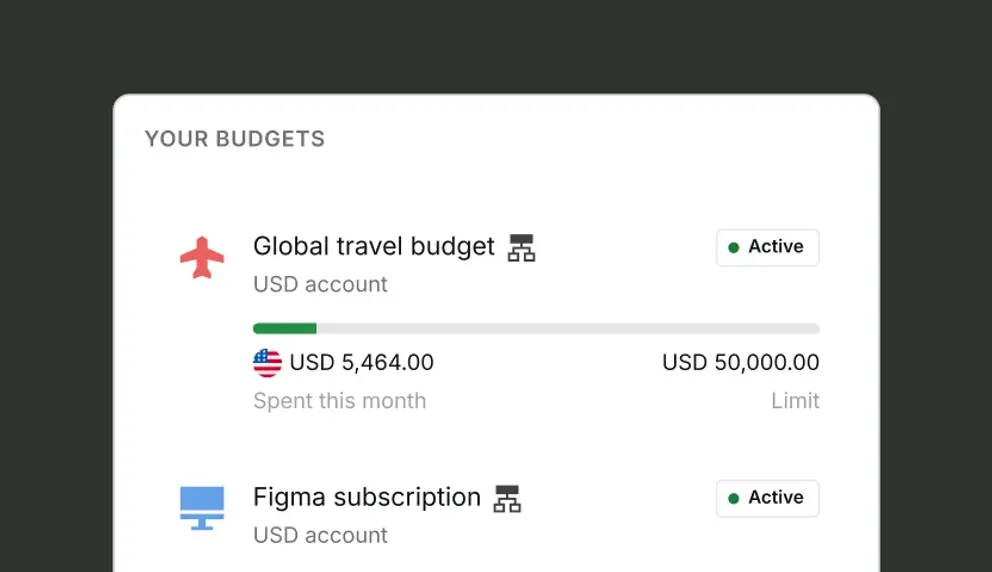
Control employee spending with ease
Adjust employee spend limits at any time and use merchant restrictions to keep business spending under control.
The card you can count on
Virtual corporate cards for your business.
Issue virtual cards for your employees and merchants to pay business expenses. Say goodbye to sharing cards or one-time passwords, and hello to faster and more secure purchasing.
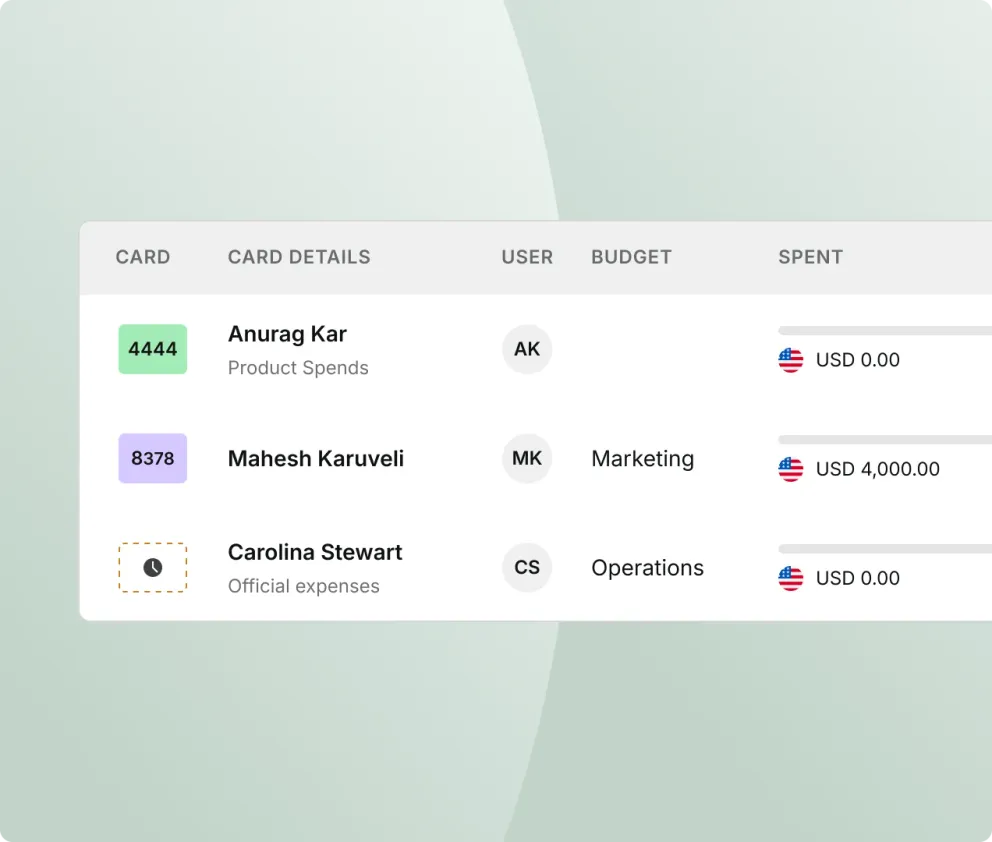
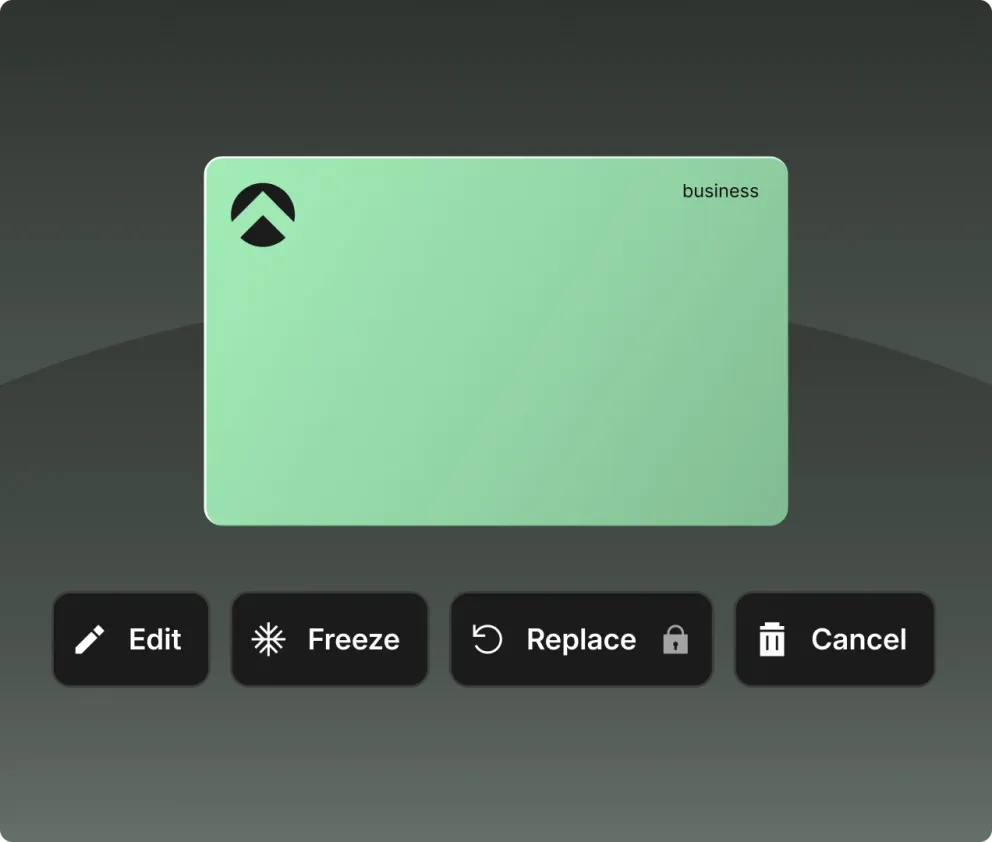
Physical and virtual cards for your team.
From marketing spend to employee allowances, give your team dedicated corporate cards while keeping company spending controlled and visible.
Earn 1.5% cashback on your spend
Enjoy 1.5% cashback across a wide range of business spend^, from business travel and online ads, to SaaS tools and more. Turn everyday expenses into savings that fuel your business.
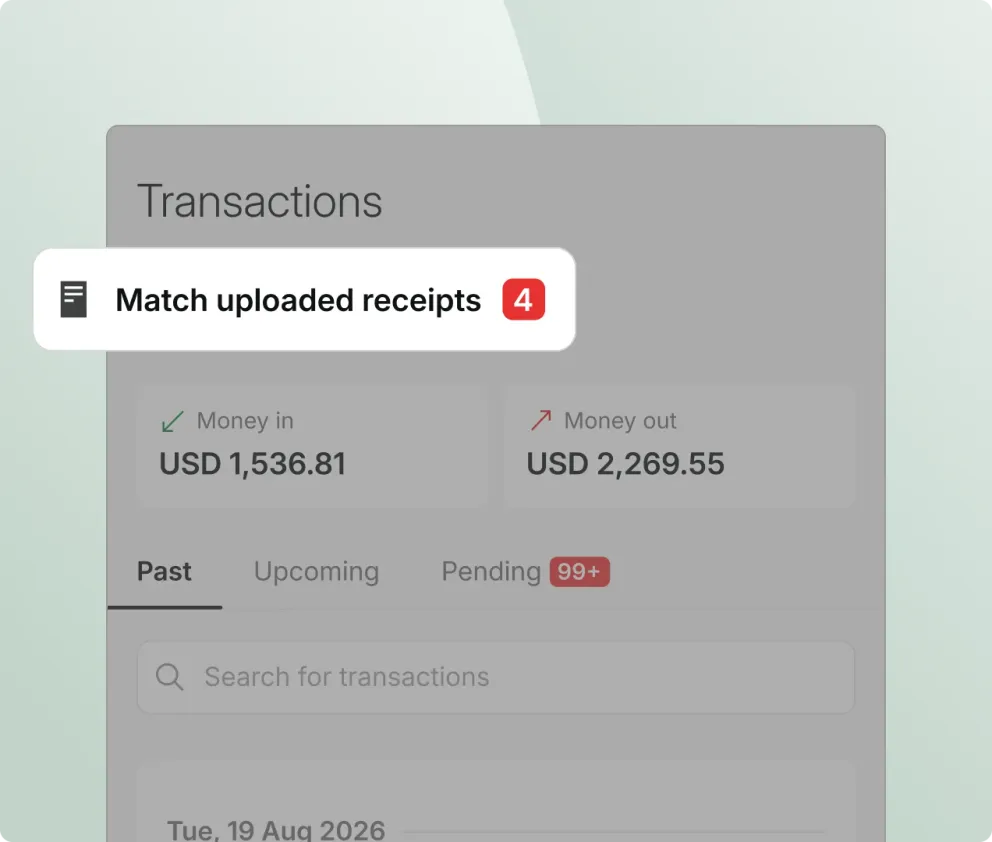
Integrate with your accounting software
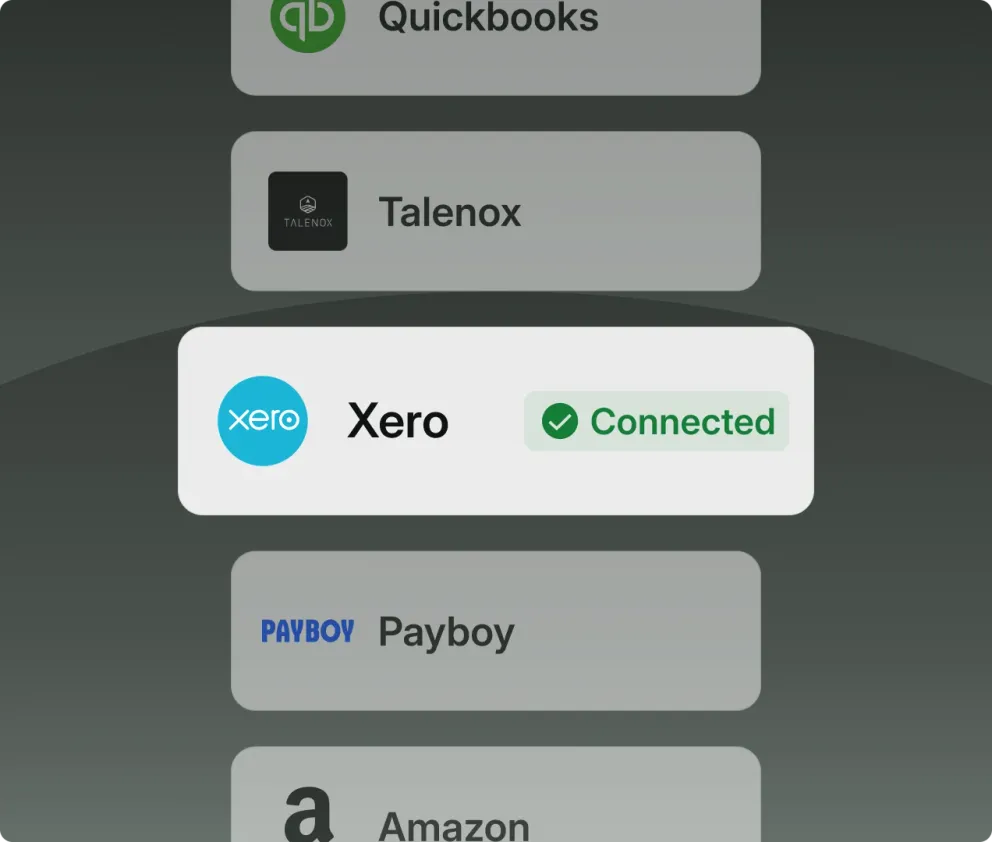
Close your books fast by syncing transactions with major accounting software like QuickBooks and Xero.