


Global Payments
Global payments with multi-currency accounts and transparent FX rates
For businesses looking beyond USD, hold EUR, GBP, HKD*, CNY* and more at no cost. Save when you send 98+ currencies with Aspire.
Our investors




Featured on




Keep international payment costs low

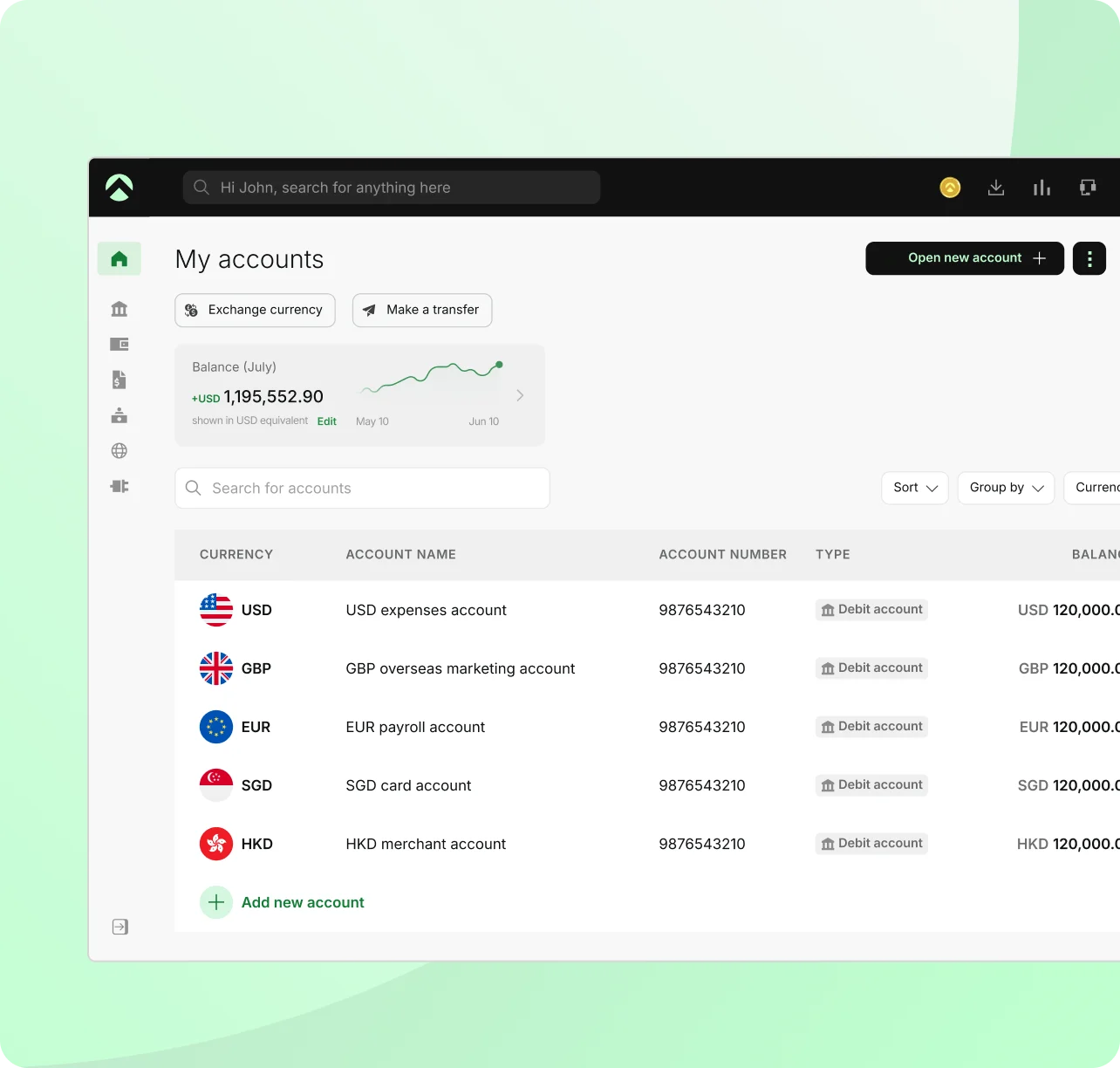
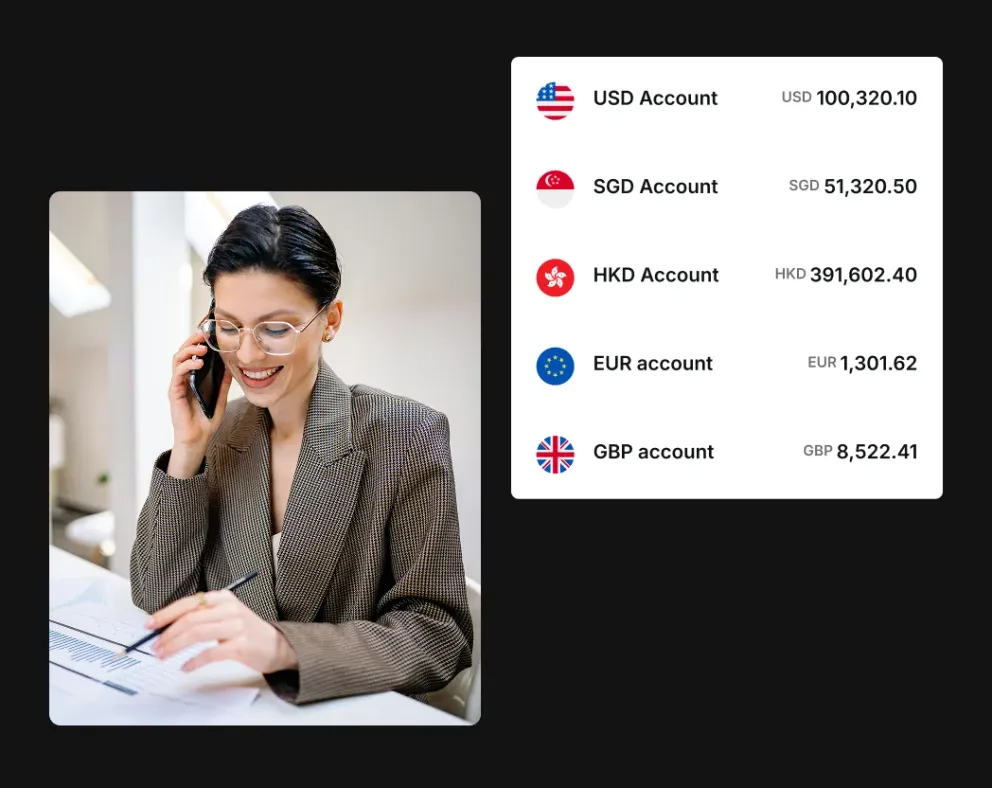
Hold money in multiple currencies
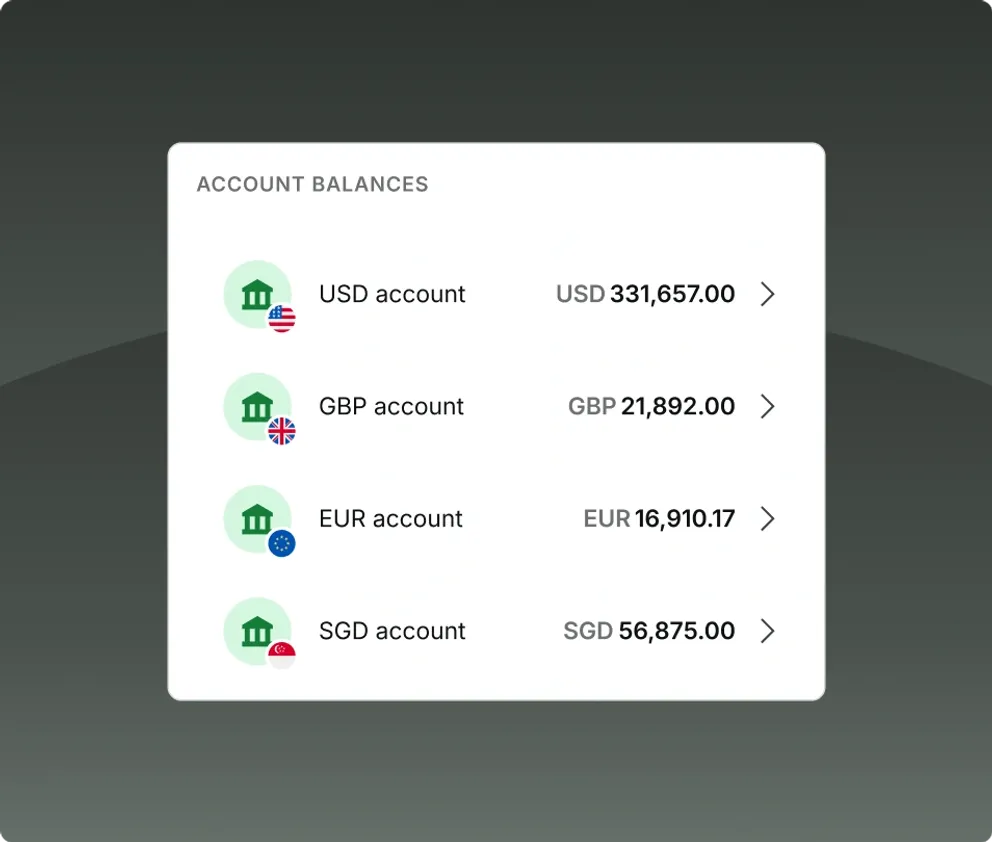
Hold multiple currencies and convert only when rates work for you
Transparent FX rates for business payments.
Enjoy rates from just 0.22% above mid-market rates. The converted amount and fees are shown upfront — no surprises

Move money at local speed
Make same-day transfers to 40+ currencies* on the go
International business payments made simpler
Multi-currency accounts* at zero cost
Get your own USD, EUR, GBP, CNY, HKD, AUD, CAD, CHF, JPY, NOK, NZD, SEK, and SGD account details at no cost
Safely send to 98+ major currencies including INR, PHP, SGD, EUR, GBP, and more directly from the Aspire App
Bigger savings with world-class FX rates
Save more with FX rates from 0.22% above mid-market rates. See exactly what you’ll pay before every transfer
Send and receive international payments in 98+ currencies across 130+ countries at market-leading rates

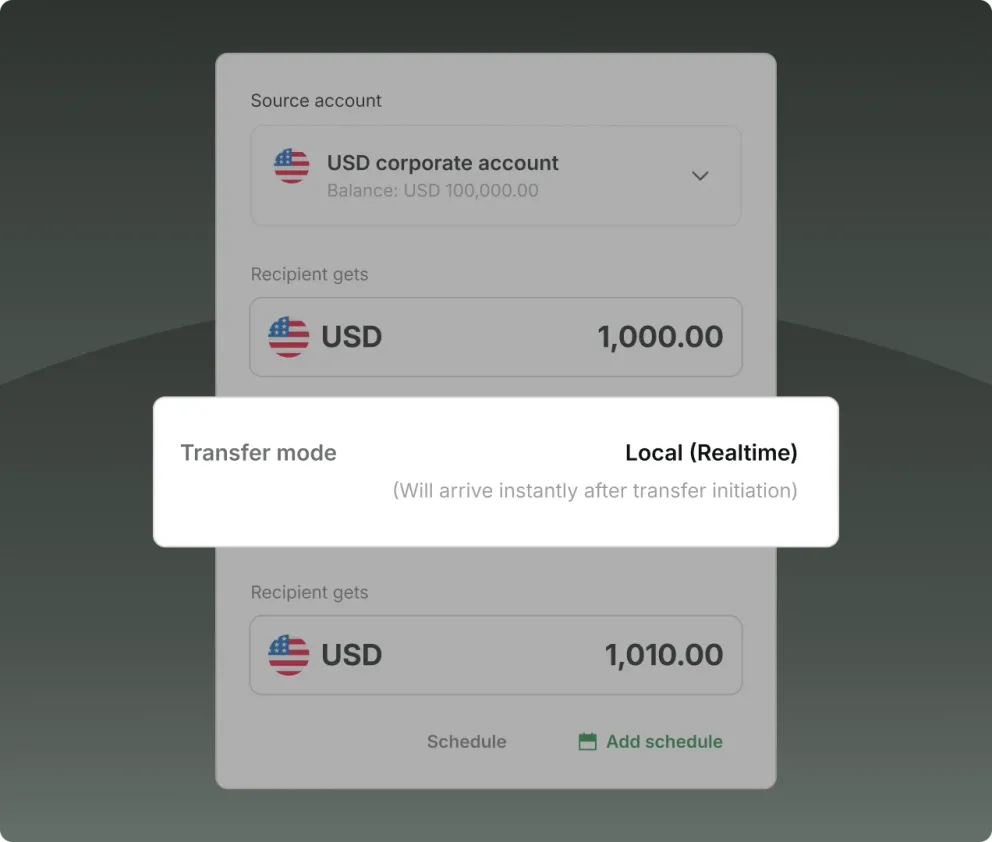
Fast international transfers
Safely send same-day local transfers and FX payments to 40+ currencies*
Keep operations running smoothly with reliable payments
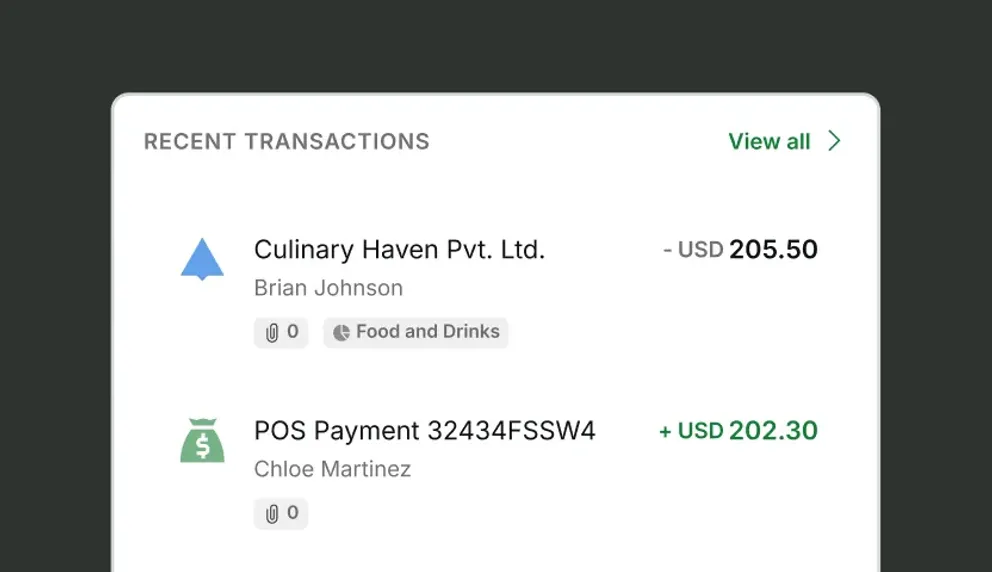
24/7 human support
Our business hours are international — 24 hours a day, 7 days a week
Connect with human support, around the clock

One account to take on the world
FAQ about Global Payments
International business payments are payments sent or received by a business across countries or currencies. They can involve currency conversion, foreign exchange (FX), and different payment rails depending on the destination and payment method.
Businesses can reduce the cost of international payments by comparing the total cost of each transfer, including the FX markup, transfer or provider fees, and the cost of unnecessary currency conversions. Holding and paying in the right currencies can also help businesses avoid additional conversions where supported.
The mid-market exchange rate is the reference rate between the buying and selling prices of a currency in the wholesale FX market. Comparing a provider’s FX rate or markup against the mid-market rate helps businesses understand how much they are paying for currency conversion.
Businesses should compare the currencies and countries supported, FX markup, transfer fees, payment speed, available local payment rails, receiving capabilities, and customer support. It is also worth considering how easily the provider integrates with the business’s existing financial workflows.
An international transfer moves money across countries and may involve currency conversion or an international payment network. A local-currency transfer can use the destination market’s local payment rails, allowing funds to be sent in the recipient’s local currency. The route available depends on the currencies, countries, and payment methods supported by the provider.