


Factoring companies: Rates, requirements, and how it works

Bintang Lestada

Summary
The factoring companies purchase your eligible unpaid invoices in exchange for upfront cash. They charge 1-5% of the total invoice value as their fee.
Factoring companies pay you an upfront advance at the rate of 70-90% of the invoice’s value. The remaining balance (minus the fees) is paid once your customer clears the invoice.
Fees for invoice factoring depend on your invoice volume, customers’ creditworthiness, and the risk profile of the industry.
Factoring companies assess the strength of your invoices and accounts receivable to decide on the advance rates and fees. Aspire1 offers tools to streamline invoice management and maintain cleaner and well-organized books.
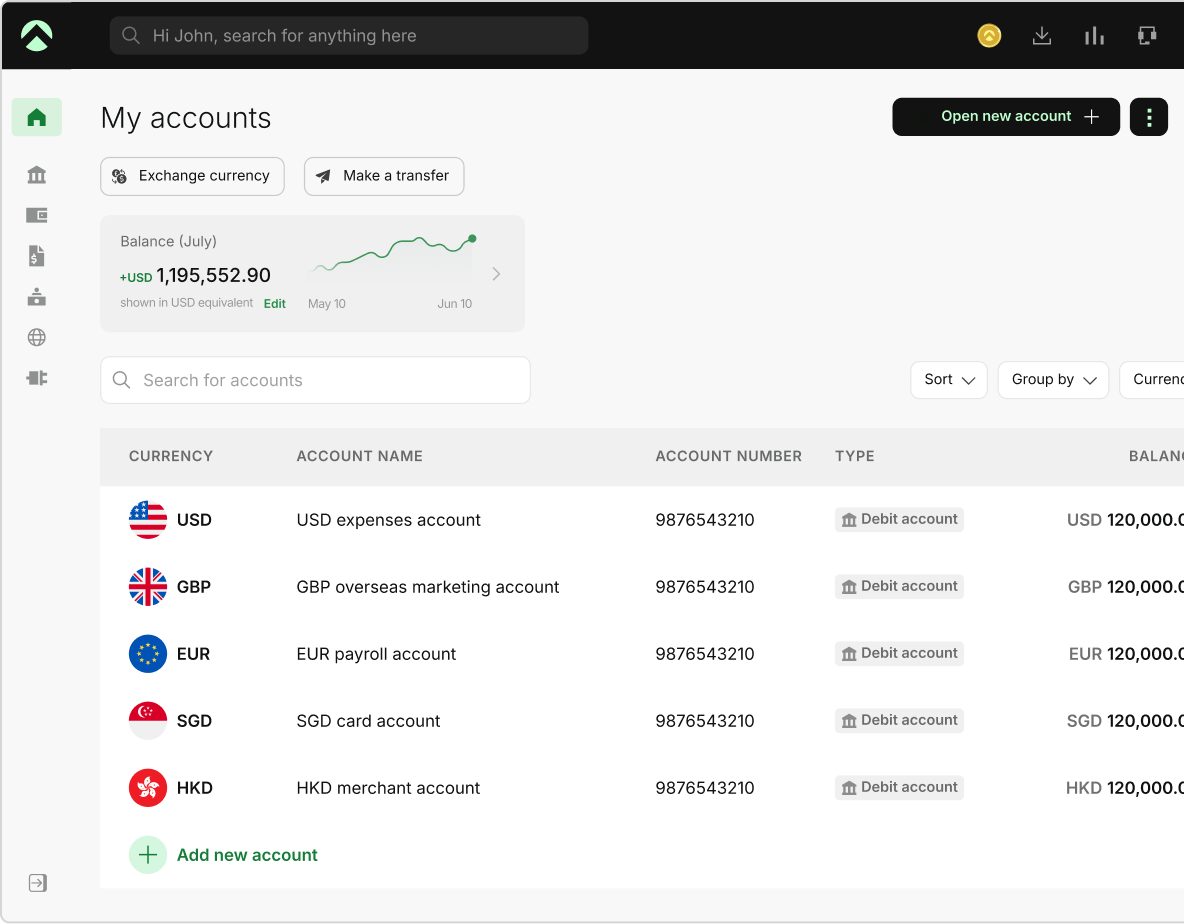
One Aspire account to manage your business finances in one place.
Get a business account¹, issue corporate cards², manage expenses, and automate financial workflows, all from one powerful platform built for modern businesses.
Factoring companies help businesses turn eligible unpaid invoices into working capital before customers pay. These companies buy your unpaid invoices, providing you with quick cash for a fee of 1-5% of the invoice value.
These services become valuable for founders who have long payment cycles. You won’t have to wait for customers to settle the invoices and can get immediate access to cash for investing in your next project.
How does invoice factoring work
Most banks or credit unions don’t offer invoice factoring as a financing option under their umbrella. So, factoring companies step in to fill this gap. Unlike lenders, factors purchase your outstanding invoices rather than issuing a loan against them, and will then collect payments directly from your customers. These companies are responsible for collecting invoice payments directly from your customers. Here’s an overview of how invoice factoring works.
- You complete work for your client and send them an invoice
- The factoring company then vets the client for creditworthiness, evaluating factors such as the customer’s payment history, invoice validity, terms of sale, industry risk, and accounts receivable aging
- If the company approves your client, they advance you 70-90% of the invoice value
- The client then pays the invoice amount to the factoring company directly
- The factoring company deducts its fees from the remaining balance it owes after the advance payment on the invoice value, and sends you the rest
For example:
| Invoice value | USD $30,000 |
|---|---|
| Initial advance (90% of the invoice value) by the factoring company | USD $27,000 |
| Factoring fee (4% of the invoice value) | USD $1,200 |
| Additional payment you receive upon clearance of payment by client | USD $1,800 |
| Total amount received | USD $28,800 |
Types of invoice factoring
- Recourse factoring: This is the type of factoring where repayment responsibility falls on you. If your clients fail to clear the invoice, you must buy it back and pay the factoring company. It is the most commonly preferred type of invoice factoring.
- Non-recourse factoring: This means a factoring company assumes the risk if your client cannot pay due to insolvency or bankruptcy. In such a case, they may write off the receivable as a loss. Non-recourse usually costs more than recourse factoring, because the factor assumes the risk.
Advantages and disadvantages of invoice factoring
| Pros | Cons |
|---|---|
| Provides faster access to working capital by converting the unpaid invoices into immediate cash, instead of waiting for around 30-90 days for customer payments. | Factoring fees involved in this financial solution can make it a costlier option compared to traditional bank loans or lines of credit. |
| Relies more on the customers’ creditworthiness than your own business credit profile, making it more accessible even with a limited credit history. | Factoring companies engaging in direct communication with your customers may affect your existing relationships with them. |
| Helps you bridge the cash flow gaps caused by longer payment cycles, ensuring your vendor payments or day-to-day operations stay unaffected. | In recourse factoring arrangements, you will be liable for buying back the unpaid invoices or repaying the money if customers default. The credit risk stays with the founder. |
| Easier to qualify for invoice factoring than traditional financing options, since the approval is mainly based on your invoice quality and not on strict credit checks. | The factoring contracts may have clauses requiring minimum invoice volumes or additional fees for low usage or early termination of the agreement. |
| Enables businesses to outsource their invoice collection process and free up the internal time and resources spent on chasing customer payments. | Not a viable option for businesses not having eligible accounts receivable, such as having fewer invoices or customers with unreliable payment history. |
Invoice factoring vs invoice financing
Though these terms are used interchangeably, invoice factoring and invoice financing are two different financial solutions and work differently.
With invoice factoring, the company will purchase the eligible outstanding invoices outright and take ownership of the receivables. This means the factor collects payment directly from your customers, structuring the arrangement as either recourse or non-recourse.
Invoice financing, on the other hand, is similar to a loan. You borrow money against the value of the unpaid invoices, while retaining ownership of them. In case of invoice financing, you are responsible for collecting payment from your customers. The financing company won’t be part of the collections, as it simply extends credit by considering your receivables as collateral.
As invoice factoring and financing are sometimes used loosely or interchangeably, it is important you read the agreement terms carefully to understand who exactly owns the receivables, who collects the payment, and who bears the risk of non-payment.
Costs associated with invoice factoring
You bear the invoice fees charged by the factoring companies, which they will automatically deduct from the payable invoice value. Some of the companies may have hidden fees, so you must read the fine print before signing the agreement. Here are the fees that a factoring company may charge you for lending funds against your accounts receivable:
- 1-5% factoring fee on the invoice value, which may be a one-time fee or may also accumulate per month if the invoices go unpaid. These percentages can vary depending on the agreement specifics.
- Factoring companies charge a late payment fee if a client misses the due date.
- They charge a returned check fee if a client’s check bounces
- Some factoring companies charge an origination fee when you start a contract.
- Some of the companies also charge a wire transfer fee when a client pays by wire.
- Factoring companies charge a termination fee upon ending the contract.
- Some factoring arrangements may involve a UCC filing. Review the agreement to understand whether the provider will file a UCC financing statement, what collateral it covers, and whether any filing-related fees apply. It is a one-off fee, ranging from USD $25-USD $250+.
How are the factoring fees determined
Factoring companies determine the fees based on three crucial factors, including:
- Monthly invoice volume: If you have a higher invoice volume, factoring companies may offer you discounted rates
- Average invoice size: Your average invoice size may influence the factoring fees
- Customer creditworthiness: If your business deals with reliable customers with high creditworthiness, you will often receive better terms and discounts, or vice versa
- Average days outstanding: The longer your customers take to pay, the more risk or cost is built into the factoring fee
- A/R aging: If you submit old or overdue invoices for factoring, they are considered riskier and may carry higher fees
- Customer concentration: If a large share of the receivables come from just one or two customers, factoring companies may charge more to offset the risk of concentration
- Industry: If your business operates in a high-risk industry, you may face higher fees
- Contract length and minimum obligations: Longer contract length or higher minimum volume obligations may lower the factoring fee, whereas shorter or flexible terms often cost more
- Recourse or non-recourse factoring: Non-recourse factoring arrangement costs more as the factor assumes the risk of non-payment
Additional services offered by factoring companies
Here are some of the additional services offered by factoring companies:
A/R management services
As per the underwriting evaluation of a factoring company, it might also manage your accounts receivable, including invoice collection and payment follow-ups.
Supply chain financing
Factoring companies also offer additional funds for you to meet your diverse operational needs, such as purchasing inventory, duty fees, shipping, or payroll.
Risk assessment and credit checks
Factoring companies also perform A/R risk analysis and customer credit checks, as their interest lies in the customers’ ability to pay, not just your own.
Common requirements set by invoice factoring companies
For participating in an invoice factoring agreement, companies have some pre-defined requirements or criteria, which include:
- Most factoring companies prefer working with businesses having government or commercial clients, operating under B2B or B2G models. Invoices from individual consumers are generally seen as of lower quality, as they mostly involve smaller amounts and less predictable payment behavior, compared to government or business clients.
- Most factoring companies prefer your clients to be creditworthy. The debtors or customers listed on the invoices must have a strong history of paying their dues on time.
- A lot of reputable factoring companies prefer your company to have no outstanding legal issues or tax liens, as that would complicate the factor’s claim to your accounts receivable, or add more risk.
- Factoring companies may assess your profit margins to ensure you have enough room to cover the factoring fees and still be able to generate profit.
- Several factors also set a minimum threshold for monthly revenue or invoice volume, as factoring smaller amounts may not be profitable for them, considering the service and underwriting costs.
- All invoices are expected to typically fall within an age range of under 90 days. Older or aging invoices are considered riskier and less likely to be collected in full.
- Factors also evaluate customer concentration, which means how much of your receivables come from a single or handful of customers. Higher concentration on one or two customers increases the risk, as a missed or delayed payment will significantly affect collections.
- Factoring companies require invoices to be legitimate, accurately documented, and free of errors, as they will be purchasing the right to collect payments on them.
- You must provide proof of delivery confirmations, signed receipts or service completion certificates to verify that the invoiced goods or services were fulfilled.
- Invoices with unresolved disputes, such as disagreements over pricing, delivery, or quality, will be considered ineligible by the factoring companies. This is because customers may hold payment on disputed invoices, putting the factor’s money at risk.
- Factoring companies also check for prior UCC filings or liens on the receivables, as any competing claims may prevent them from securing a clear right to collect customer payments.
- Some factoring companies require a minimum time-in-business history, often 6-12 months. This requirement may vary or at times be waived for businesses having stronger customer credit profiles.
- Depending on the factoring company, there may still be a review of your personal or business credit profile, particularly for non-recourse arrangements or high-risk industries.
Keep in mind that these requirements are common in the industry, but may vary depending on the unique criteria set by specific factoring companies.
Factoring companies vs. traditional lenders
| Category | Invoice factoring | Traditional lending |
|---|---|---|
| What you receive | An advance on the total value of your eligible outstanding invoices. | A lump sum amount upfront, or a line of credit. |
| Primary risk assessed | Creditworthiness of your customers. | Creditworthiness of your business. |
| Repayment terms | There’s no loan to repay. You transfer the receivables. For recourse agreements, you may be required to buy back the invoices if your customers don’t pay. | Scheduled or fixed loan repayments, regardless of the customer payments. |
| Speed | The process is often faster, as the approval hinges on customer or invoice quality. | The process may be slower, as the underwriting process is more extensive with traditional lending. |
| Collateral | Your accounts receivable are the only collateral. | Business assets, real estate, equipment or personal guarantees are pledged as collateral. |
| Debt | Factoring doesn’t record debt on the balance sheet. | Recorded as a debt or liability. |
| Involvement of customers | Customers are liable for paying the amount they owe, directly to the factor. | Customers won’t be aware of the debt, as you handle the collections and repay the lender. |
Factoring companies purchase invoices as assets from your business, whereas traditional lenders provide you with loans. Here are some differences between the two:
- Most factoring companies do not require other business assets as collateral, but only the accounts receivable.
- Invoice factoring focuses mainly on the creditworthiness of your customers rather than your business itself.
- Unlike traditional lending, you don’t have to repay any loan in a factoring agreement. You just have to transfer the receivables. However, if you’re in a recourse factoring agreement, you may still be responsible for buying back or repaying the factor for invoices that your customers fail to pay. This benefit is more applicable for non-recourse agreements.
Best factoring companies for US businesses
Here are some of the top factoring companies in the US for you to count on:
1. FundThrough
This company is popular for providing fast and technology-driven funding with up to 100% advance rates. It also supports integration with accounting software like QuickBooks. FundThrough doesn’t lock businesses in long-term contracts.
2. Riviera Finance
Riviera Finance holds decades of experience and operates across 25 offices across the US and Canada. It specializes in full-service, non-recourse factoring, which means the company bears the risk if your customer fails to repay.
3. RTS Financial
RTS Financial focuses majorly on industries experiencing unique cash flow challenges such as oilfield services, trucking, textiles, staffing and others. Businesses can access capital within 24 hours, and the company also offers fee discounts for veteran-owned businesses.
4. altLine
altLine operates as a direct bank lender and not a middleman, and is able to offer some of the lowest factoring fees in the industry, starting at around 0.75%. Businesses with high invoice volume can benefit from this structure.
5. eCapital
This factoring company is popular for its flexibility and speed, as it offers advance rates up to 100%, only for qualifying businesses, and also serves a diverse range of industries. Businesses seeking quick turnaround times and a tech-centric process will find it a good fit.
Things to consider when choosing a factoring company
When choosing a factoring company, you must do your due diligence to decide on a reliable provider. Here are a few things you must take into account:
Reputation and trustworthiness
Go with a factoring company with a solid track record displaying reliability and a strong reputation in the market. Dive deeper into their history and assess their customer reviews to ensure they are trustworthy.
Fees
Factoring companies make money through the fees they charge on every invoice they purchase from you. So, when looking for a reliable company, make sure the rates or fee terms are reasonable when compared to the market. Some providers might try to sneak in hidden fees or have complex rate structures, which you must avoid.
The fee percentage set by factoring companies varies depending on the risk profile, average invoice size, industry regulations, and payment terms.
Advance rates
Higher advance rates imply you receive more cash upfront, making it beneficial for your cash flow. Just like the fee terms, advance rates might also vary from one provider to another. The standard advance rate ranges between 70%-90% of the total invoice value.
Funding speed
The time it takes for you to receive the cash after factoring an invoice, varies between providers. It might range from same-day funding to up to a few business days. If you rely on invoice factoring to cover your urgent expenses like payroll, prioritize factoring companies known for fast and consistent turnaround times on paper.
Contract flexibility
Review the contract terms thoroughly to ensure they align with your requirements. See if the factoring agreement is recourse or non-recourse, followed by minimum volume commitment. Some of the factoring agreements may have a minimum monthly volume requirement. You must ensure you can meet the requirement without having to factor more invoices than necessary.
Contract terms
Beyond the volume commitments, you must pay close attention to renewal clauses, contract length and termination fees. Some factoring agreements have lock-in clauses for a year or more, with penalties for early exit, whereas others operate on a monthly basis. You must understand these terms upfront to avoid being stuck in an agreement that doesn’t align with your business anymore.
Service model
Most factoring companies operate under two service models: full-service and hands-off models. The full-service model is where the provider will handle all collections, back-office admin tasks and credit checks, whereas with the hands-off model, it is you who will retain more control over the customer communications. Decide on which model fits best with your team’s bandwidth and how much involvement you would like in the collections process.
Industry expertise
Some factoring companies in the US have specialization in specific industries such as healthcare, trucking, manufacturing, staffing and others. Such companies understand the unique payment cycles, regulations and risks associated with specific sectors. Therefore, working with a factoring company having expertise in your sector can prove to be more efficient.
Let Aspire1 help you streamline your invoice management
Factoring companies weigh the credibility and strength of invoices and accounts receivable just as much as the customers’ creditworthiness. So, having cleaner books may lead to better factoring rates and quick approvals.
Branded invoices, multi-gateway payment acceptance, and automated reconciliation of incoming payments keep your invoicing reports and payment histories organized and ready. Aspire1 has dependable tools to help you with it all.
As a founder, prep your invoices and accounts receivable before you apply with the factoring companies. This would give them clear visibility into your financial history, leading to faster underwriting and better fees and advance rates.
Frequently Asked Questions
No, invoice factoring and bank loans are different financial tools. A bank loan involves you borrowing money that must be repaid with interest. Invoice factoring, on the other hand, involves selling your accounts receivable to the factoring company in exchange for instant upfront cash. The accounting treatment depends on the terms of the arrangement.
Yes, startup founders with strong customer invoices can use invoice factoring services and benefit from instant cash flow, even if they lack a strong credit history.
A factoring company gets paid by the customers of your business who owe money on the invoices. Upon purchasing the invoices, your customers pay the due amount to the factoring company, instead of you. Once the amount is received, the factoring company will deduct the applicable fees and will credit the remaining invoice value after advance payment to your business account.
To qualify for invoice factoring, companies generally look for businesses operating on a B2B or B2G model, with creditworthy customers having a strong history of paying on time. Invoices should ideally come from government or commercial clients rather than individual consumers, and your business should generally be free of significant outstanding legal issues or tax liens. The factoring company will then evaluate your customers’ creditworthiness to decide whether to move forward.
No, you don’t have to factor every customer invoice. The factoring companies usually allow you to choose the invoices you factor, depending on your financial needs.
Sources
- https://www.irs.gov/businesses/small-businesses-self-employed/independent-contractor-self-employed-or-employee (https://www.irs.gov/businesses/small-businesses-self-employed/independent-contractor-self-employed-or-employee) (NA)
- https://turbotax.intuit.com/tax-tips/self-employment-taxes/a-guide-to-self-employment-taxes/L8RSXVAWZ (https://turbotax.intuit.com/tax-tips/self-employment-taxes/a-guide-to-self-employment-taxes/L8RSXVAWZ) (August 21, 2026)
- https://payreel.com/gig-workers-%E2%89%A0-independent-contractors-2/ (https://payreel.com/gig-workers-%E2%89%A0-independent-contractors-2/) (NA)
This blog is for general information only and does not constitute financial, legal, tax, or professional advice. Aspire’s services are subject to the terms outlined in our ’Terms of Service’ and ’Pricing’ pages. We make no guarantees as to the accuracy, completeness, or timeliness of the content, and past results do not indicate future performance. Always consult a qualified professional before acting on any information provided.
Bintang Lestada
Writer
Bintang is a seasoned writer specialising in fintech, agtech, politics, and pop culture. With a writing history at VICE ASIA, Letterboxd, Whiteboard Journal and other reputable organisations, Bintang leverages their broad range of experiences to resources that educate audiences, build trust, and support business growth.
Aspire Launchpad
Supercharge your finance operations with Aspire
Find out how Aspire can help you speed up your end-to-end finance processes from payments to expense management.

Latest articles

QuickBooks vs Xero: Key differences, costs and which is better
QuickBooks vs Xero compared on features, pricing, users, reporting, and ease of use. See which accounting software is a better fit for your business.

How general liability vs professional liability insurance works in the US
Small business guide to general liability insurance. Learn about costs and coverage, if you need it, and how to choose the right policy.

Best multi-currency business accounts in the US for 2026
Compare the best multi-currency business accounts in the US for 2026. Explore fees, FX costs, currencies, holding, receiving options, and key features.