


Independent contractor taxes: What small-business founders need to know

Bintang Lestada

Summary
Independent contractors control their own work, handle their own income, and file their own taxes.
Determine worker classification by evaluating behavioral control, financial control, and your overall working relationship. Correctly distinguishing between employees and 1099 contractors maintains compliance and protects your business operations.
If you’re an employer, make sure you collect Form W-9 before making the first payment, log every invoice, and issue Form 1099-NEC.
Maintain compliance by evaluating how much behavioral control you exercise, who manages financial aspects like expenses and tools, and how contracts and benefits define the working relationship.
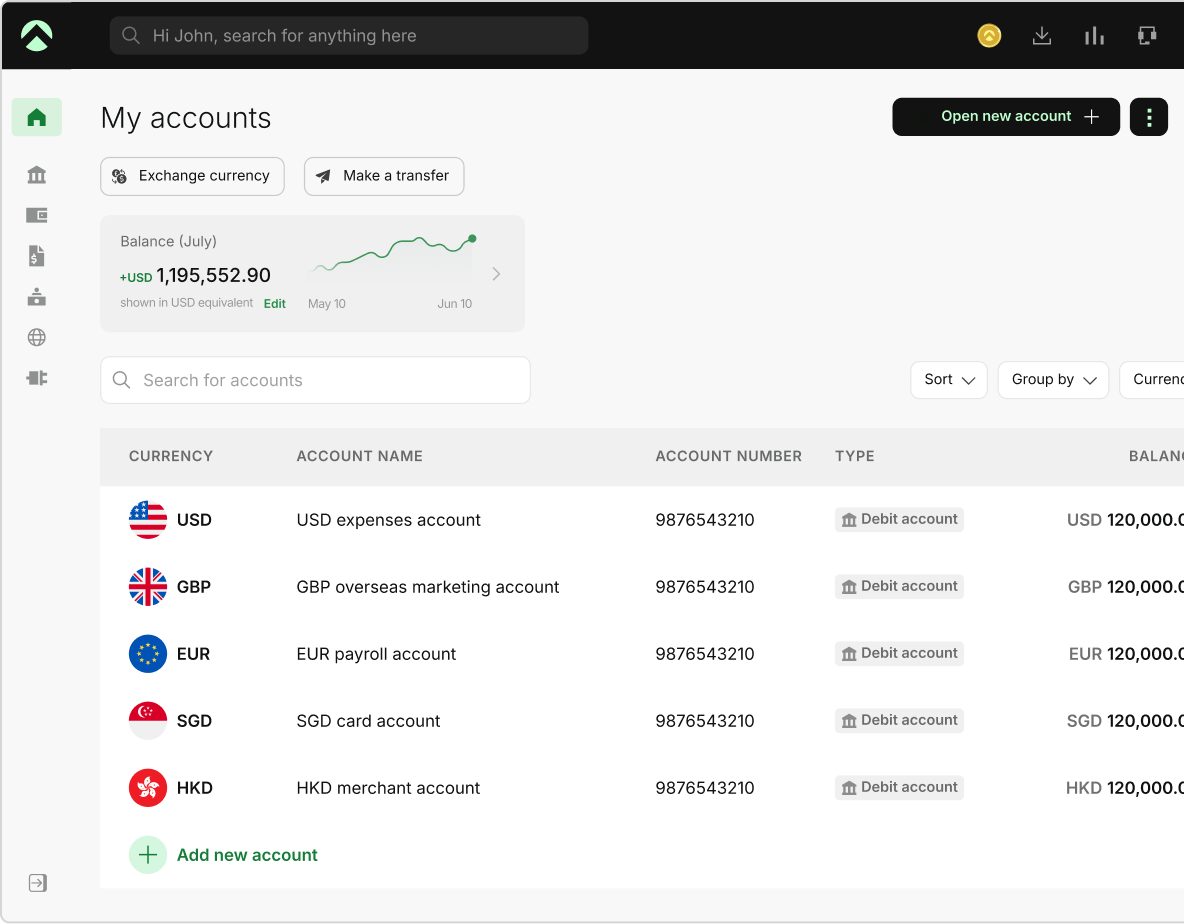
One Aspire account to manage your business finances in one place.
Get a business account¹, issue corporate cards², manage expenses, and automate financial workflows, all from one powerful platform built for modern businesses.
Hiring freelance talent lets you scale your team quickly without bloating payroll. Define contractor relationships clearly from day one to keep your scaling operations streamlined and audit-ready.
Independent contractors operate as self-employed professionals who control how their work gets done. They manage their own federal income and self-employment taxes, with final liability determined by their business structure, deductions, and individual circumstances.
Because you aren't withholding taxes from their checks, your role shifts from payroll manager to record-keeper: get worker classifications right, track every dollar paid, and file Form 1099-NEC once payouts reach $2,000 for the 2026 tax year.
What are independent contractor taxes
For a regular employee, tax deductions are automatically levied on paychecks. For independent workers, the full amount is paid on their invoice. However, they must pay a 15.3% self-employment tax. The main federal obligations can include:
- Federal income tax
- Self-employment tax
- State and local income taxes, where applicable
- Estimated tax payments during the year
Self-employment tax is the tax that is payable by self-employed persons for Social Security and Medicare taxes. Self-employed individuals generally must pay self-employment tax when they have net earnings of $400 or more from self-employment
The exact amount depends on the contractor's income, business expenses, filing status, and other factors. No single flat percentage applies to everyone. That distinction is important when you're budgeting for contractor costs. The amount you pay a contractor isn't necessarily the contractor's final after-tax income.
Do independent contractors pay taxes
Generally yes. An independent contractor is normally regarded as self-employed for federal income tax purposes. The contractor declares income from their work and computes taxes according to their net income.
Let’s say a business pays a freelancer USD $60,000 in a year. The business generally doesn't deduct federal income tax, Social Security, or Medicare taxes from those payments in the way you do with employee wages.
The contractor receives the payment and handles their own tax obligations. That doesn't mean the payment is tax-free. It means the responsibility for calculating and paying the applicable taxes sits with the contractor.
If you're a founder hiring contractors, keep this distinction clear in your accounting records. Contractor payments are business expenses for your company when they qualify as deductible expenses, while the contractor separately handles taxes on their earnings.
Employee vs contractor
Determine classification by the reality of the day-to-day role and IRS criteria, not by verbal preference or mutual agreement alone.
The IRS doesn't base classification only on the contract, payment method, or whether someone works part-time. It considers the actual relationship between the business and the worker. Consider the difference:
The IRS looks beyond how work is performed and considers behavioral control, financial control, and the relationship of the parties. A worker can have significant independence in performing work and still be an employee depending on the overall facts.
| Category | Employee | Independent contractor |
|---|---|---|
| Behavioral Control | Business controls instructions/training | Controls their own methods |
| Financial Control | Business pays expenses/provides tools | Pays own expenses/supplies tools |
| Type of Relationship | Often includes benefits/long-term intent | Usually defined by contract/project scope |
| Tax Responsibility | Business withholds applicable payroll taxes | Contractor generally manages their own tax payments |
| Compensation Reporting | Reported on Form W-2 | Reported on Form 1099-NEC |
The distinction isn't just administrative. Misclassification can create tax liabilities for the business. To confirm a worker's status, you can get clarification by filing the IRS’s Form SS-8.
What are 1099 employee taxes
The phrase is common, but it can be misleading. A worker who receives Form 1099-NEC for nonemployee compensation isn't technically a 1099 employee. They're generally being treated as self-employed independent contractors. That difference matters because the tax treatment changes.
Businesses generally use Form 1099-NEC to report qualifying payments for services made to people who aren't employees. The IRS requires the form when the applicable reporting conditions and threshold are met.
A Form W-9 gives you the contractor's correct name and taxpayer identification number. The IRS recommends keeping it for 4 years. Contractors use Form 1099-NEC to file their returns, though they must report all business income regardless of whether they receive the form.
What taxes do independent contractors pay
Calculating independent contractor taxes involves accounting for federal income tax and self-employment tax. State and local taxes may also apply depending on where the contractor lives and operates.
Income tax applies based on the contractor's taxable income and circumstances. Self-employment tax covers Social Security and Medicare taxes.
The contractor first calculates business income and expenses to determine net profit. That net profit feeds into the calculation of self-employment tax and income tax. This is why gross payments don't tell you the full tax picture.
A contractor who earns USD $80,000 doesn't necessarily pay taxes on the full USD $80,000 as taxable business profit. Eligible business expenses can reduce net profit. The contractor needs to maintain records that support both income and deductible expenses.
Common Deductible Business Expenses
The IRS allows write-offs for costs that are ordinary (standard in your industry) and necessary (helpful for your trade). Claiming these reduces your taxable net income:
- Software & Equipment: Laptops, monitors, cloud subscriptions, and job-specific tools.
- Professional Services: Legal, accounting, marketing, and subcontractor expenses.
- Home Office: Rent, utilities, and internet for a workspace used regularly and exclusively for work.
- Work Travel & Mileage: Transit, flights, and vehicle mileage for client or site visits (routine personal commutes do not count).
- Phone & Utilities: The specific percentage of your mobile plan and home internet used for business operations.
How the independent contractor tax rate works
There isn’t a universal tax rate. That's because independent contractors can face multiple taxes, and their final liability depends on their circumstances.
| Tax component | Rate | What it applies to | Key rule |
|---|---|---|---|
| Self-Employment (SE) Tax | 15.3% (12.4% Social Security + 2.9% Medicare) | 92.35% of net profit (gross revenue minus allowable expenses) | Social Security tax caps at the annual wage base (USD $184,500 in 2026); Medicare has no cap. |
| Federal Income Tax | 10% to 37% (standard IRS brackets) | Adjusted Gross Income (AGI) | Applied after business deductions and deducting 50% of the SE tax. |
| Total Effective Tax Burden | Typically 20% to 35%+ | Total Net Earnings | The blended percentage paid across SE tax, federal income tax, and state/local taxes. |
How to do taxes as an independent contractor
When preparing your return, start with your records rather than the tax form. The IRS generally expects self-employed individuals to report business income and expenses on Schedule C and use Schedule SE to calculate self-employment tax when applicable. A typical process looks like this:
- Track all contractor income
- Record eligible business expenses
- Calculate net business profit
- Complete Schedule C
- Calculate self-employment tax using Schedule SE when applicable
- Include the relevant amounts on your Form 1040
- Make estimated tax payments when required
- File the annual tax return by the applicable deadline
You don’t need a 1099-NEC form to report your income. According to the IRS, people who are self-employed have to report their income, even without the 1099 form issued by the business where they received payment.
Do I pay taxes for independent contractor payments
The answer depends on what you mean by "pay taxes." You generally don't withhold federal income tax, Social Security, or Medicare taxes from payments to a properly classified independent contractor. The contractor generally handles those taxes themselves.
But your business still has tax-related responsibilities. For example, you may need to collect a W-9 and file Form 1099-NEC for qualifying payments. You also need accurate records showing what you paid, when you paid it, and who received it.
Your business may also claim qualifying contractor payments as business expenses. The specific tax treatment depends on the nature of the expense and your business circumstances.
The cleanest approach is to treat contractor payments as a separate operating expense category in your accounting system. That gives you a clear record of contractor spend and makes year-end reporting easier.
Personal contractor taxes vs business taxes
Personal contractor taxes and business taxes can overlap, but they're not necessarily the same thing.
A sole proprietor, for example, generally reports business income and expenses on their individual federal tax return. The business activity isn't treated as a separate taxpayer in the same way as certain corporations.
This can make contractor finances feel more complicated than employee payroll. Your personal tax return can include:
- Income from your contracting activity
- Other personal income
- Deductible business expenses
- Self-employment tax
- Applicable tax credits and deductions
Back up all revenue, deductions, and credits claimed on your tax return with detailed accounting records. Your entity structure - whether a sole proprietorship, partnership, or corporation - determines your specific filing requirements and tax treatment.
Don't assume that being paid as an independent contractor automatically determines your business structure or tax treatment.
Filing taxes for an independent contractor
Filing independent contractor taxes starts with accurate year-round records. For many self-employed individuals, the federal filing process includes Form 1040, Schedule C, and Schedule SE when applicable. The key information comes from your own records. You can track:
- Payments received
- Business expenses
- Invoices
- Receipts
- Bank transactions
- Contractor forms and tax documents
- Estimated tax payments
Build your tax workflow around three core practices:
- Separate Business and Personal Finances: Use dedicated business bank accounts and credit cards to simplify bookkeeping, protect business write-offs, and maintain corporate liability shields.
- Reconcile Records with Forms 1099: Cross-check your internal sales ledgers against incoming Form 1099-NEC and Form 1099-K documents. Report all business income, even if total client payments fall below the $600 threshold.
- Retain Records for the Full Audit Window: Keep invoices, receipts, mileage logs, and filed returns for at least three years (extend to six or seven years for asset depreciation or complex deductions).
When do independent contractors pay taxes
Independent contractors generally don't wait until the annual tax return to handle every tax payment.
You may need to make quarterly estimated tax payments during the year. The IRS sets standard deadlines based on specific earning periods, shifting to the next business day if a date lands on a weekend or legal holiday:
- Quarter 1 (Jan 1 – Mar 31): April 15
- Quarter 2 (Apr 1 – May 31): June 15
- Quarter 3 (Jun 1 – Aug 31): September 15
- Quarter 4 (Sep 1 – Dec 31): January 15 of the following year
Estimated payments help cover taxes as income is earned. For a contractor with uneven income, this can require more active cash-flow planning. A large project in one quarter can increase income significantly, while another quarter may be much quieter.
Set aside part of each payment for taxes rather than treating the full amount as available spending cash. The exact amount to set aside depends on your tax situation. A tax professional can help you estimate the appropriate payment amount.
What small-business founders need to do when hiring contractors
If you hire contractors, your role is different from the contractor's role. You don't generally calculate or pay their personal income tax for them. Instead, you need to get the classification and reporting process right. A practical workflow looks like this:
1. Confirm worker classification
Check whether the relationship actually meets the IRS definition of an independent contractor. Don't rely only on what the contract calls the worker.
2. Collect Form W-9
Form W-9 (Request for Taxpayer Identification Number and Certification) collects an independent contractor’s legal name, business entity type, address, and Taxpayer Identification Number (TIN), along with their certification of tax status.
3. Track every payment
Keep payment records tied to the contractor and the relevant invoices.
4. Review 1099-NEC requirements
Determine whether your payments meet the conditions for reporting and whether an exception applies.
5. Keep your records organized
Unlike Form 1099-NEC, Form W-9 is never sent to the IRS. Store invoices, W-9s, payment confirmations, and relevant contracts together.
6. Review your process before year-end
Don't wait until tax season to reconstruct 12 months of contractor payments. This workflow reduces administrative friction and gives you a clearer view of how much you're spending on external talent.
Common mistakes with independent contractor taxes
Most problems start with poor classification or incomplete records rather than the tax return itself. Here are the mistakes worth avoiding:
- Treating every freelancer as a contractor
Calling someone a contractor doesn't determine their status. The actual working relationship matters.
- Assuming a 1099 means no taxes are due
A 1099-NEC reports income. It doesn't mean the income is tax-free.
- Waiting for Form 1099-NEC before recording income
You need to track income throughout the year, even when a payer doesn't issue a 1099.
- Mixing personal and business spending
Separate records make it easier to identify business expenses and support your tax return.
- Ignoring estimated payments
If you have enough self-employment income, quarterly estimated payments may apply. Missing required payments can result in an underpayment penalty.
- Treating the 15.3% self-employment tax figure as your entire tax bill
Self-employment tax and federal income tax are separate calculations. State and local taxes may also apply.
- Assuming all business expenses are deductible
The IRS requires expenses to be both "ordinary" (common in your trade) and "necessary" (helpful to your business). Mixed-use items, personal commuting, and non-qualifying purchases must be apportioned or excluded.
- Mixing personal and business finances
Using the same bank account or card for managing both the personal and business finance may create IRS audit blockers.
- Relying solely on forms 1099 instead of Internal accounting records
The official forms may have errors such as mistyped numbers or duplicate entries. You are encouraged to maintain the legal record of your earnings.
The bottom line on managing nonemployee taxes
Independent contractor taxes put more responsibility on the worker than traditional payroll does. Contractors generally manage their own income tax, self-employment tax, estimated payments, and records.
For founders hiring contractors, the priorities are different. Classify workers correctly, collect the right tax information, track payments, and meet your information-reporting obligations.
Managing independent contractor taxes successfully starts before tax season. Keep business finances organized throughout the year, separate contractor payments from personal spending, and maintain records that your accountant can work with.
That gives you a cleaner view of contractor costs and a more reliable foundation for managing your business finances.
How Aspire can help you manage contractor payments
Managing contractor taxes starts with getting the underlying payment records right. Aspire1 helps you track business expenses through a separate business finance account1, ensuring money paid to contractors doesn’t get mixed with personal expenses.
This separation is essential for categorizing expenses, reconciling accounts, and preparing audit-ready documentation for your CPA. For cross-border contractors, tracking disbursements in dedicated multi-currency accounts simplifies foreign exchange tracking and supports compliance for Form W-8BEN and Form 1042-S reporting.
The tax calculation still belongs with you and your tax adviser. Aspire isn't a replacement for tax software or professional tax advice. The goal is to make the financial activity behind your tax records easier to manage.
Frequently Asked Questions
Yes. Independent contractors generally pay income tax and self-employment tax on applicable earnings. They may also owe state and local taxes.
There isn't one percentage that works for every independent contractor. The amount depends on factors such as your net business income, deductible expenses, filing status, and state and local taxes:
- Total Income: Higher earnings push you into higher progressive tax brackets.
- Business Deductions: You only pay tax on net profit. Expenses lower your taxable income.
- Filing Status: Being married, single, or having a working spouse shifts your tax thresholds.
- Location: State and local tax rates vary heavily depending on where you live and work.
There isn't one universal independent contractor tax rate. Self-employment tax and income tax use different calculations, and state and local taxes can also apply.
They may. Self-employed individuals generally make estimated tax payments during the year when their expected tax liability requires it.
No. A contractor must report taxable income even if they don't receive a Form 1099-NEC.
Many independent contractors report business income and expenses on Schedule C and calculate self-employment tax on Schedule SE when applicable. They generally file these with Form 1040.
Eligible business expenses can reduce your business profit and therefore affect your taxable income. Keep records and receipts that support the expenses you claim.
Sources
- https://www.irs.gov/businesses/small-businesses-self-employed/independent-contractor-self-employed-or-employee (https://www.irs.gov/businesses/small-businesses-self-employed/independent-contractor-self-employed-or-employee) (NA)
- https://turbotax.intuit.com/tax-tips/self-employment-taxes/a-guide-to-self-employment-taxes/L8RSXVAWZ (https://turbotax.intuit.com/tax-tips/self-employment-taxes/a-guide-to-self-employment-taxes/L8RSXVAWZ) (August 21, 2026)
- https://payreel.com/gig-workers-%E2%89%A0-independent-contractors-2/ (https://payreel.com/gig-workers-%E2%89%A0-independent-contractors-2/) (NA)
This blog is for general information only and does not constitute financial, legal, tax, or professional advice. Aspire’s services are subject to the terms outlined in our ’Terms of Service’ and ’Pricing’ pages. We make no guarantees as to the accuracy, completeness, or timeliness of the content, and past results do not indicate future performance. Always consult a qualified professional before acting on any information provided.
Bintang Lestada
Writer
Bintang is a seasoned writer specialising in fintech, agtech, politics, and pop culture. With a writing history at VICE ASIA, Letterboxd, Whiteboard Journal and other reputable organisations, Bintang leverages their broad range of experiences to resources that educate audiences, build trust, and support business growth.
Aspire Launchpad
Supercharge your finance operations with Aspire
Find out how Aspire can help you speed up your end-to-end finance processes from payments to expense management.

Latest articles

QuickBooks vs Xero: Key differences, costs and which is better
QuickBooks vs Xero compared on features, pricing, users, reporting, and ease of use. See which accounting software is a better fit for your business.

How general liability vs professional liability insurance works in the US
Small business guide to general liability insurance. Learn about costs and coverage, if you need it, and how to choose the right policy.

Best multi-currency business accounts in the US for 2026
Compare the best multi-currency business accounts in the US for 2026. Explore fees, FX costs, currencies, holding, receiving options, and key features.