


How to form an LLC in Texas: steps, costs, and requirements

Content Team

Summary
To form an LLC in Texas, choose a compliant business name, appoint a registered agent, and file a Certificate of Formation with the Texas Secretary of State
Texas charges a USD $300 filing fee for the Certificate of Formation. You may also have costs for a name reservation, registered agent service, licenses, permits, or other business needs
After formation, create an operating agreement, obtain an EIN if your LLC needs one, and apply for any licenses or tax permits required for your business
Texas LLCs may have ongoing franchise tax and information-reporting obligations. For the 2026 report year, the no-tax-due threshold is USD $2.65 million, but businesses at or below that threshold may still need to file an information report
U.S.-formed LLCs are currently exempt from federal beneficial ownership information (BOI) reporting under FinCEN's 2026 rule
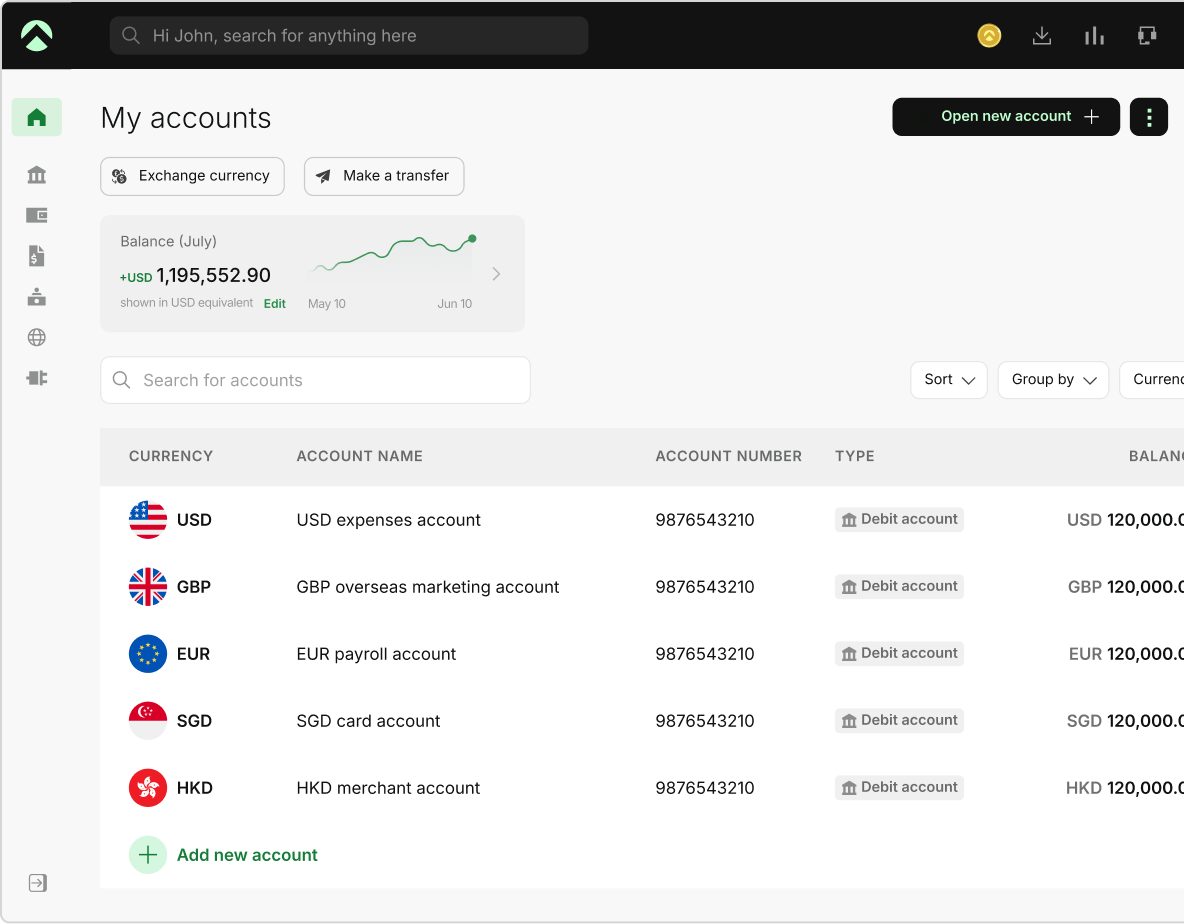
One Aspire account to manage your business finances in one place.
Get a business account¹, issue corporate cards², manage expenses, and automate financial workflows, all from one powerful platform built for modern businesses.
If you're starting a business in Texas, forming an LLC gives you a formal business structure without the corporate governance requirements associated with a corporation. The process is relatively straightforward, but you still need to meet Texas's filing and ongoing compliance requirements.
To form an LLC in Texas, choose a compliant business name, appoint a registered agent, file Form 205 (Certificate of Formation) with the Texas Secretary of State, and complete any additional tax, licensing, and business setup requirements that apply to your company. We take you through the process step by step, including Texas LLC requirements, formation costs, filing details, and what to do after your LLC is approved.
For many founders, the choice to start an LLC in Texas comes down to two things:
- How easy it is to follow the rules
- How big the market is
Before walking through how to form an LLC in Texas, let’s understand the structure itself.
What is an LLC
An LLC, or Limited Liability Company, is a business structure that generally separates the company's liabilities from the personal assets of its owners.
What you need to form an LLC in Texas
Before filing your Texas LLC, have the following information ready:
- A business name: Your LLC name must meet Texas naming requirements and be distinguishable from existing entities
- A registered agent: Your LLC must have a registered agent and registered office in Texas. The LLC itself cannot serve as its own registered agent. The registered agent must consent to the appointment
- A governing structure: Your Certificate of Formation will identify whether the LLC is member-managed or managed by managers.
- An organizer: The Certificate of Formation must identify the person responsible for forming the LLC.
- A business mailing address: You will need to provide the required mailing and contact information on the formation filing.
- The filing fee: USD $300 for LLC Certificate of Formation in Texas
Texas does not require an operating agreement to form an LLC, but having one can help you set out your ownership, management, voting and other internal rules.
If you do not want to form the LLC right away, you can reserve an available business name prior to filing. Texas name reservations are USD $40 and valid for 120 days.
How to form an LLC in Texas: 6 steps
If you want to form an LLC in Texas you will need to know the administrative steps. Most founders can complete the filing process quickly, but the state may take longer to approve it.
1. Choose a name for your LLC
Your LLC name must meet Texas naming requirements and be distinguishable from other entities on file with the Texas Secretary of State. The name also must have an appropriate designator, such as "Limited Liability Company," "Limited Company," or an abbreviation such as "LLC" or "L.L.C."
You should search the records of the Texas Secretary of State to see if your desired name is available before you file.
You can reserve an available name for 120 days if you are not ready to file immediately. Texas has a USD $40 name reservation fee.
Tip: Picking a name is different from trademark registration. If brand protection is important to your business, check the federal and state trademark records separately.
2. Choose a registered agent
Texas LLCs are required to have a registered agent and a registered office in the state. The registered agent receives process and other official notices for the business.
The registered agent must be either a Texas resident or a business entity authorised to do business in the state. The LLC can not be its own registered agent and the registered office must be a physical street address where the agent can take service of process during normal business hours. You can either appoint an eligible person yourself or use a registered agent service.
3. File the Certificate of Formation
The Certificate of Formation is the filing that creates your Texas LLC. Texas uses Form 205, Certificate of Formation: Limited Liability Company.
The filing requires information such as:
- Your LLC’s legal name
- Registered agent and registered office information
- Whether the LLC is member-managed or manager-managed
- The name and address of the organizer
- The LLC’s mailing address
- The effective date, if you choose to specify one
Before designating a registered agent, the person or organization must consent, in writing or electronically, to serve in that capacity. The consent generally does not need to be submitted with the Certificate of Formation, but the organizer’s designation of the registered agent affirms that the agent has consented.
Texas charges a USD $300 filing fee for an LLC Certificate of Formation. You can submit Form 205 electronically through SOSUpload, or submit it by mail or courier to the Texas Secretary of State. For mail or courier submissions, the state instructs filers to submit the completed form in duplicate with the filing fee.
Before filing, review the Texas Secretary of State’s current filing instructions for the applicable submission requirements and payment methods.
4. Create an operating agreement
Texas does not require an LLC to file an operating agreement with the Secretary of State. However, creating one can give the owners a clear set of rules for running the company.
An operating agreement can cover:
- Ownership percentages
- Member contributions
- Voting rights
- Profit and loss distributions
- Management responsibilities
- Rules for admitting or removing members
- What happens if a member leaves the business
You generally keep the operating agreement with your business records rather than submitting it with the Certificate of Formation.
5. Get an EIN if your LLC needs one
An Employer Identification Number (EIN) is a federal tax identification number provided by the IRS. Whether you need one depends on the way you set up and run your LLC.
Multi-member LLCs usually require EINs. A single-member LLC that is classified for federal income tax purposes as a disregarded entity generally does not need a separate EIN if it has no employees and does not need to file certain excise taxes. But a single-member LLC can still obtain an EIN for things like opening a business bank account.
EINs are free and provided by the IRS. You can apply directly through the IRS if you need one. If you’re not sure if your LLC needs an EIN, consult IRS requirements before applying.
Do you need an EIN or some other kind of tax ID? See our guide to TIN vs. EIN to learn the difference.
6. Check for licenses, permits, and tax registrations
Just because you form an LLC does not mean you are free to conduct any type of business you want. Texas does not have a general statewide business licence for all businesses. But your business might require state, local, or industry-specific licenses and permits depending on what you sell, where you operate, and the services you offer.
Businesses in regulated industries may have requirements for professional or occupational licensing. If your business sells taxable goods or services, you may also need to register for a Texas sales tax permit with the Texas Comptroller. Before you start operating, check the requirements that apply to your particular business.
How much does it cost to form an LLC in Texas?
The lowest cost to create a Texas LLC is USD $300, which is the filing fee for the Certificate of Formation. Your total start-up cost may be more depending on the services and registrations your business needs.
| Expense | Typical cost |
|---|---|
| Certificate of Formation | USD $300 |
| Name reservation | USD $40, if you reserve a name |
| EIN | Free |
| Registered agent | Varies depending on whether you serve as the agent or use a service |
| Operating agreement | USD $0 if prepared yourself; professional costs vary |
| Business licenses and permits | Varies by business and location |
| Sales tax permit | No fee to apply, where required |
There may be ongoing costs after you start your business, including applicable franchise taxes, registered-agent services, licenses, insurance, accounting and other business expenses. Texas filing fee: USD $300 Certificate of Formation fee is required. Other costs vary depending on how you decide to set up and run the business.
Taxes and compliance requirements
However, forming your LLC doesn’t mean you don’t have ongoing state and federal tax and reporting obligations.
Texas franchise tax
Texas taxes franchises and taxable entities, including LLCs, under applicable rules and exemptions. The no-tax-due threshold is USD $2.65 million in total revenue annualised for the 2026 report year. Businesses at or below that threshold do not have to pay franchise tax, but they may still need to file an information report with the Texas Comptroller. Businesses above the threshold may be required to file a franchise tax report and pay any tax due.
Public Information Report or Ownership Information Report
Texas requires most entities to file ownership or management information in a Public Information Report (PIR) or Ownership Information Report (OIR), if applicable. Comptroller states that a business at or below the 2026 no-tax-due threshold does not file a No Tax Due Report, but does file the applicable information report.
Filing deadline
The franchise tax report deadline in Texas is usually May 15 every year. If May 15 falls on a weekend or holiday, the deadline may be extended to the next business day. Thresholds, forms and filing requirements may change by report year. Check the Texas Comptroller's current instructions before filing.
What to do after forming your Texas LLC
Once Your Certificate of Formation is approved and the LLC is created, there are still practical steps to take before you are fully operational.
Open a business bank account
Separate your business finances from your personal finances. A business bank account can be a useful tool for tracking income and expenses and keeping clear financial records.
Set up bookkeeping and expense tracking
Decide how you will track revenue, expenses, invoices and other business transactions. Implementing these systems early can help to streamline tax preparation and financial reporting as the business grows.
Complete any required licenses or registrations
Before you begin to sell, hire or provide regulated services, make sure your business has all the state, local or industry-specific licenses and permits it needs.
Keep your LLC records up to date
Keep your Certificate of Formation, operating agreement, ownership records, tax documents and other important business documents organised. Make changes in state records when information that must be reported to the Secretary of State changes.
FinCEN's interim final rule in March 2025 eliminated BOI reporting requirements for U.S.-created entities. The current FinCEN guidance still says domestic entities are exempt. That means that a Texas LLC formed in the United States generally does not have to file a BOI report with FinCEN just because it is a U.S.-formed LLC.
Some foreign companies that have registered to do business in the U.S. may still have BOI reporting obligations. If your business falls into that category, check FinCEN’s current requirements before filing.
Simplify your LLC's financial operations
Managing employee spending, business expenses, vendor bills and payment approvals can lead to a lot of admin work when you’ve got your LLC up and running. Aspire1 combines corporate cards, expense management, budgets, bill payments and approval workflows on a single platform.
You can issue virtual corporate cards with spending limits and merchant controls, monitor card and expense activity in real time, route expenses and bills through multi-level approval workflows, and sync expenses with accounting software like QuickBooks and Xero. This can help growing businesses keep a lid on costs and cut down on manual reconciliation and admin work.
Conclusion
The first step in forming an LLC in Texas is to select a name that’s available and designate a registered agent and file Form 205 with the Texas Secretary of State. The state charges USD $300 as a filing fee for the Certificate of Formation. After you've formed your LLC, draft an operating agreement, get an EIN if needed, obtain any necessary licenses or registrations, and set up your business's financial and record-keeping systems.
Texas LLCs may also have ongoing tax and information-reporting requirements, so be sure to keep track of the applicable filing deadline, and check the latest requirements each year.
Frequently Asked Questions
Texas LLC Certificate of Formation Filing Fee: USD $300. There may be other costs such as name reservation, registered-agent services, licenses, permits or other business services.
The amount of time depends on how it is filed and the workload of the Texas Secretary of State. When you file your Certificate of Formation, please refer to the Secretary of State's current processing information.
Yes, Texas permits single member LLCs. The formation process is generally the same, but federal tax and EIN requirements can be different for multi-member LLCs.
Yes, as long as you qualify to be a registered agent under Texas law. The registered agent must be an individual or entity entitled to conduct business in Texas and the registered office must be a physical street address in Texas where service may be made during regular business hours.
No, Texas does not require an LLC to file an operating agreement with the Secretary of State. However, an operating agreement can specify ownership, management, voting and other internal rules for the company.
It depends on your LLC's ownership and tax status. Multi-member LLCs generally need an EIN, while a single-member LLC without employees or certain excise-tax obligations may not need one for federal income-tax purposes. A single-member LLC may still choose to obtain one for business purposes such as banking.
Some do. For the 2026 report year, the Texas franchise tax no-tax-due threshold is USD $2.65 million in annualized total revenue. Businesses at or below the threshold generally do not owe franchise tax, but they may still need to file an applicable information report.
U.S.-formed Texas LLCs are currently exempt from federal BOI reporting under FinCEN's March 2025 interim final rule. Certain foreign entities registered to do business in the United States may still have reporting obligations.
Sources
- https://www.sos.state.tx.us/corp/instructions/205.shtml – September 24, 2026
- https://comptroller.texas.gov/taxes/franchise – September 24, 2026
- https://comptroller.texas.gov/taxes/franchise/forms/2026-franchise.php – September 24, 2026
- https://comptroller.texas.gov/taxes/sales/faq/permit.php – September 24, 2026
- https://comptroller.texas.gov/taxes/permit – September 24, 2026
- https://www.irs.gov/businesses/small-businesses-self-employed/single-member-limited-liability-companies – September 24, 2026
- https://www.fincen.gov/boi – March 21, 2025
- https://www.fincen.gov/news/news-releases/fincen-removes-beneficial-ownership-reporting-requirements-us-companies-and-us – March 21, 2025
- https://aspireapp.com/us/blog/llc-in-texas – May 22, 2026
- https://aspireapp.com/us/blog/how-to-open-business-bank-account – August 27, 2026
- https://aspireapp.com/us/blog/how-to-register-an-llc – September 24, 2026
- https://aspireapp.com/us/blog/llc-for-non-us-residents – June 25, 2026
This blog is for general information only and does not constitute financial, legal, tax, or professional advice. Aspire’s services are subject to the terms outlined in our ’Terms of Service’ and ’Pricing’ pages. We make no guarantees as to the accuracy, completeness, or timeliness of the content, and past results do not indicate future performance. Always consult a qualified professional before acting on any information provided.
Content Team
Aspire editorial
Content team at Aspire is a society of seasoned writers & experts specialising in finance, technology and SaaS space. With 50+ years of collective experience, they help make business finance more profitable for readers. They write about finance tools, finance insights, industry trends, tactical guides to grow your business & also all things Aspire.
Aspire Launchpad
Supercharge your finance operations with Aspire
Find out how Aspire can help you speed up your end-to-end finance processes from payments to expense management.

Latest articles

Finance Tools •
7 best accounting software for consultants and consulting firms in 2026
Compare the best accounting software for consultants that handle retainer billing, expense tracking, and 1099s. Compare QuickBooks, Xero, FreshBooks, Zoho, and more.

Business Advice •
Nonprofit accounting: How it works, rules and best practices
Learn how nonprofit accounting works, including fund accounting, donor restrictions, bookkeeping, Form 990, grants, taxes, and accounting software.

Business Account •
Best business bank account for Shopify: 8 options compared for 2026
Shopify pays out to any ACH-eligible US checking account. Compare eight options on payout speed, wire and FX costs, cashback caps, FDIC coverage, and eligibility.