



Global Payments
Fast global payments & international money transfers for businesses in Hong Kong
Streamline your global payments to suppliers and employees with local payout accounts, same-day international transfers, and market-leading FX rates
Funds safeguarded at DBS and other Tier-1 banks
Trusted by 50,000+ modern businesses
4.5 rating









Powering your international payments

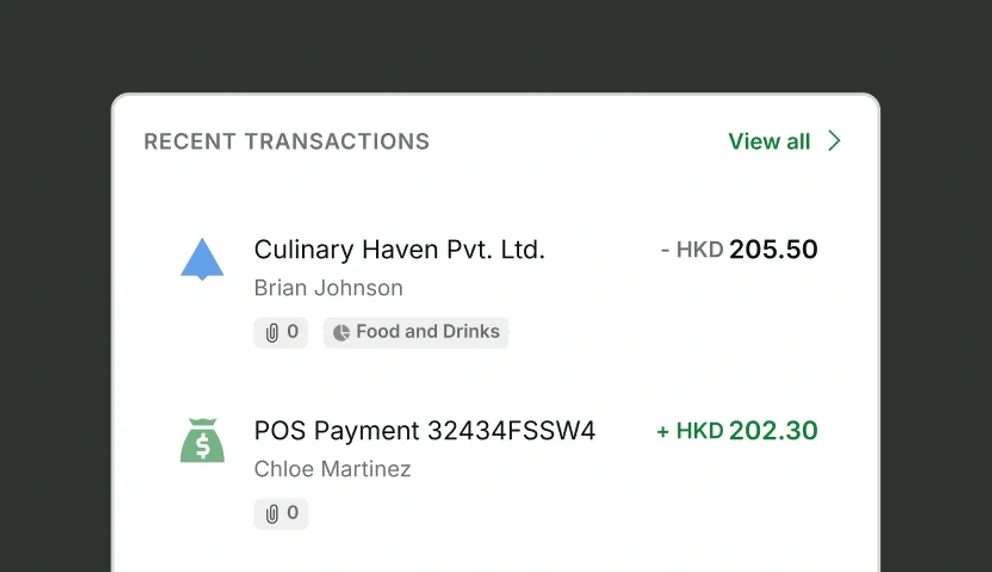
Make fast international transfers
Make same-day transfers to 40+ currencies on the go
Save on your international payments
Enjoy free local transfers in major currencies while enjoying great FX rates

What you see is what you pay
The converted amount and fees are shown upfront — no surprises
Fuel your company’s global ambitions with Aspire global payment solution
Get access to the best FX rates with no hidden fees
Send and receive international payments in 40+ currencies across 130+ countries at market-leading rates
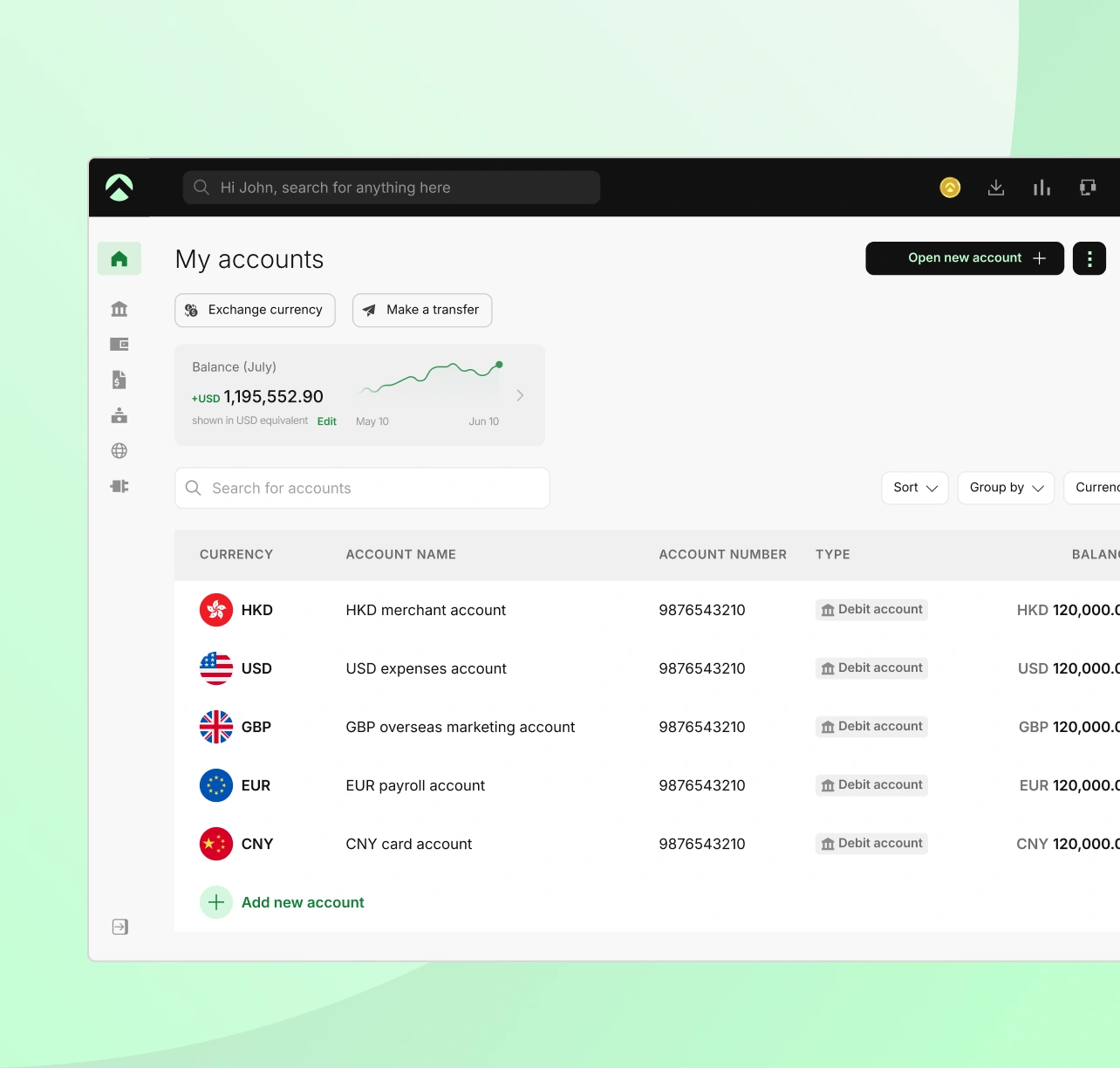
Open accounts in 13 currencies including HKD, CNY, USD, EUR, SGD, JPY, AUD, and more in seconds with zero setup fees
No hidden, account opening or monthly maintenance fees
Free local transfers and market-leading FX rates
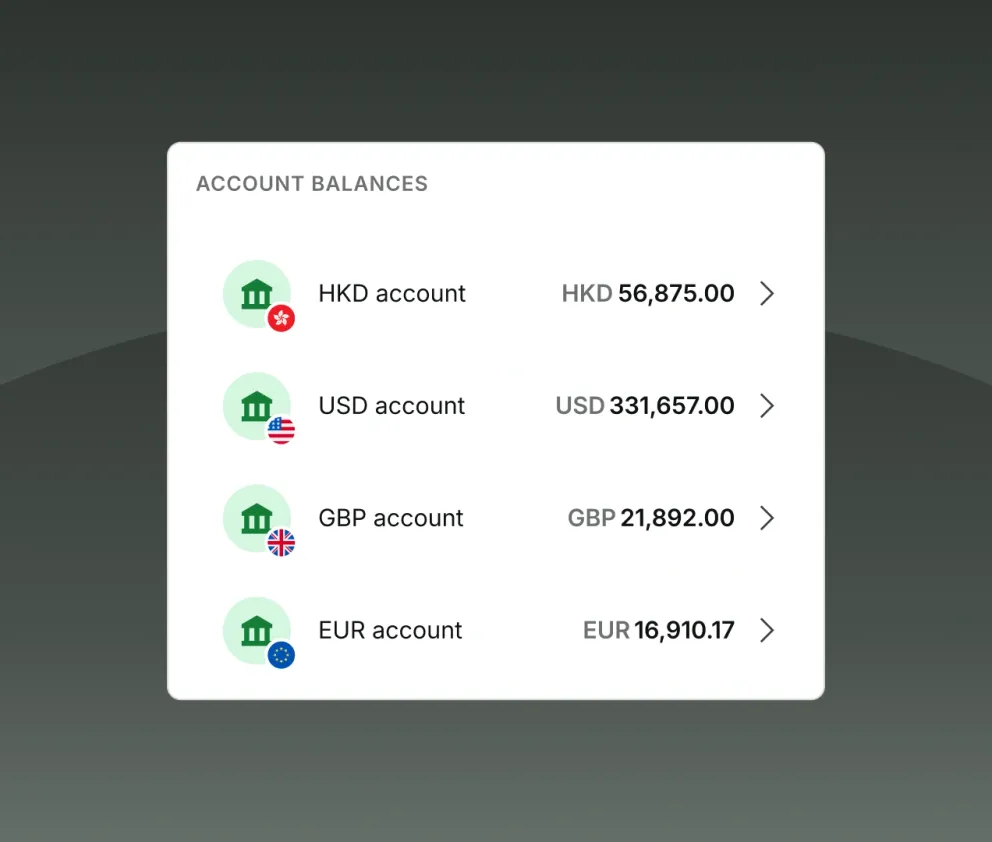
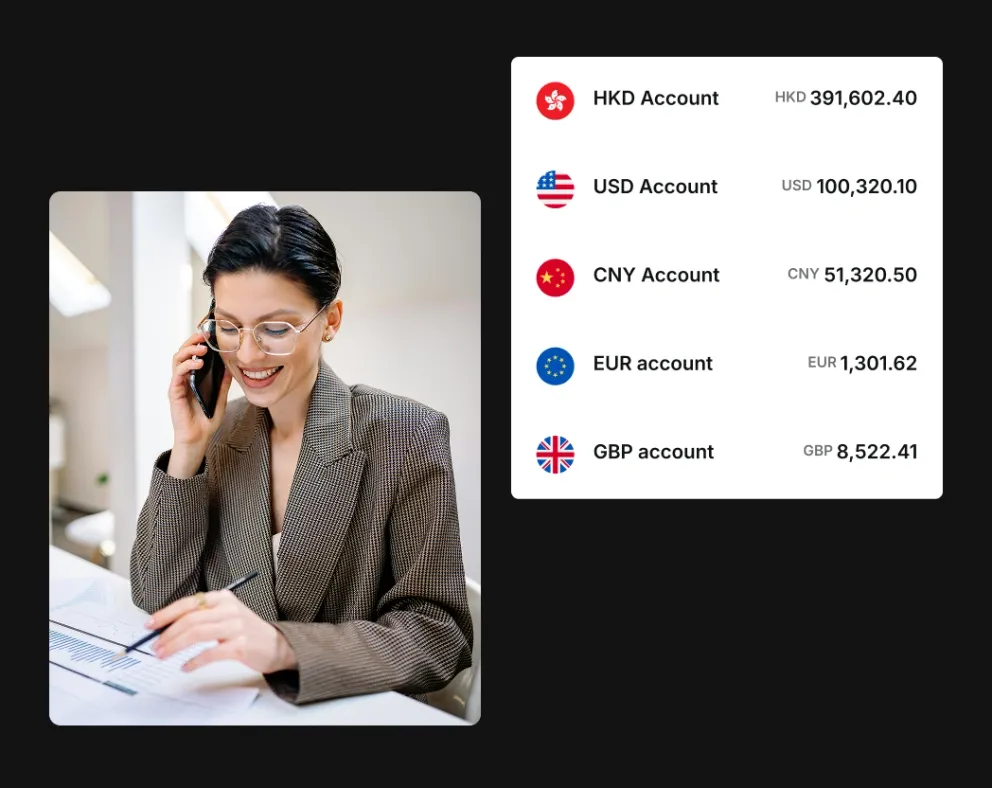
Open local collection accounts in HKD, CNY, USD, EUR and GBP
Send, hold and receive funds in major currencies to transact with overseas suppliers and customers easily
Enjoy free local inbound and outbound transfers to minimise FX conversions
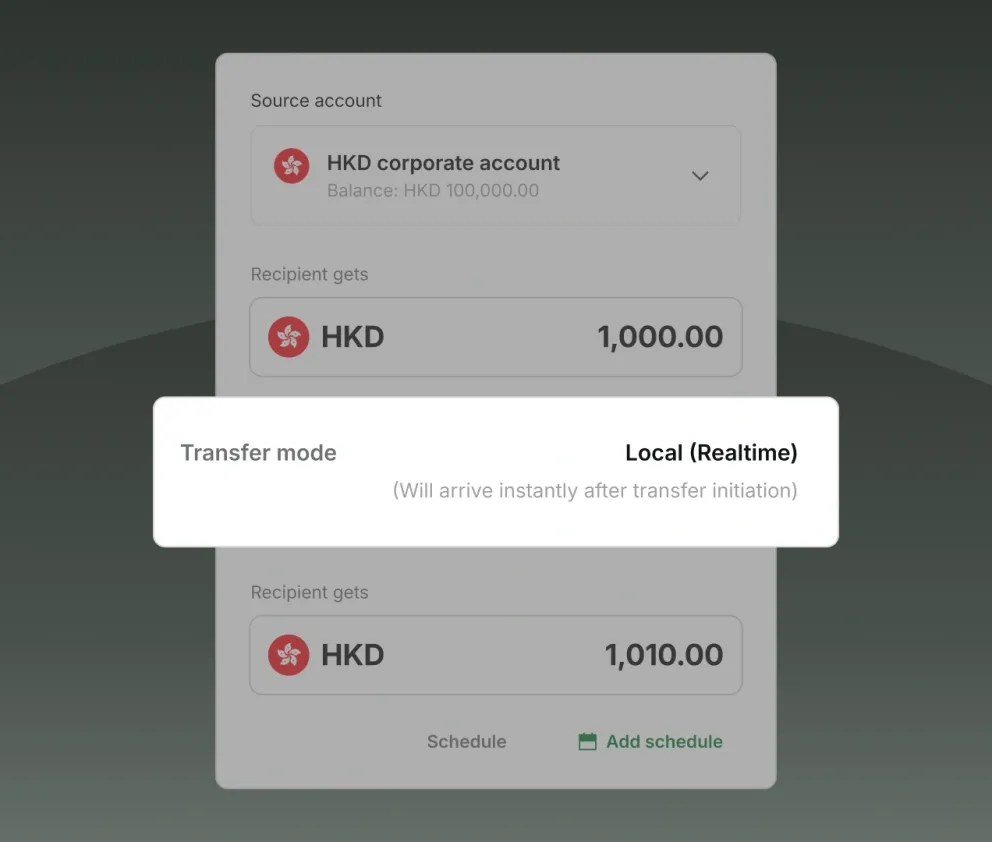
Fast, same-day global payments & international transfers
Safely send same-day local transfers and FX payments to 40+ major currencies directly from the Aspire App
Fast reliable global payments to ensure your partners are always paid on time and improve cash flow
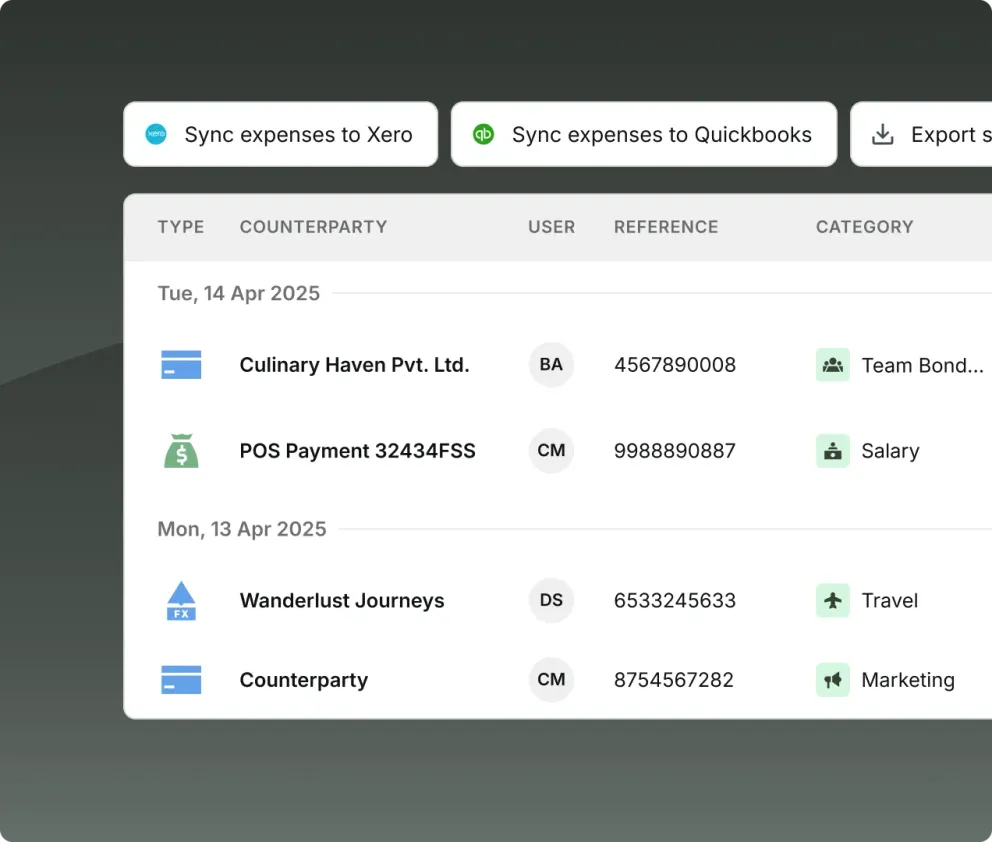
Eliminate errors - sync your global transactions with your accounting software
Close your books twice as fast, with all transactions synced with major accounting software
Automate your accounting processes and improve your tracking accuracy
Hear it first from our customers

Gregory Van
CEO of Endowus

“As a startup, we needed more flexible solutions to support our increasing needs, as well as ones that’d make the most financial sense in supporting our growth.”
- Saved per year
- $111,000
- Saved per year
- 900hr

Holly Qian
Head of Finance at First Page

“By leveraging Aspire, First Page aimed to establish tighter control over our financial outflows, ensuring that all media spending stayed within the allocated budget limits. This was crucial for maintaining financial discipline and ensuring that our company’s marketing efforts were both effective and sustainable.”
- Saved per year
- $35,320
- Saved per year
- 1,664hrs

William Chong
Finance Director at Glints

“In the past, we used different devices for calls, music, and work. Just like smartphones brought everything together, Aspire elegantly combines corporate cards, FX, business accounts, payables, and much more, into one user-friendly interface.”
- Saved per year
- $73,000
- Saved per year
- 760hrs
Make global payments & international transfers without breaking the bank
FAQs about global payments & international money transfers
SWIFT is an abbreviation for the Society for Worldwide Interbank Financial Telecommunication and stands for a worldwide network of banks that work collaboratively to provide their customers with international bank transfers.
All SWIFT transfers are carried out via the payer's bank, which gets debited and routed through multiple intermediary banks before the recipient's bank is credited. This whole process can take up to 1-5 business days.
A local transfer uses a network of financial institutions to send money directly to a recipient’s local bank account. These transfers are settled in the local currency by the recipient’s bank. All you need are the recipient’s local bank account details.
Local transfers are generally cheaper and faster than SWIFT transfers. They typically settle instantly or within 1 business day, depending on the country’s payment infrastructure. By contrast, international wire transfers (via SWIFT) are used for cross-border payments but can take 1–5 business days and incur higher fees due to intermediary banks and currency conversion.
The key difference between international wire transfers and local bank transfers is that local transfers are typically faster and more cost-effective, while international wire transfers tend to involve higher fees due to intermediary banks and currency conversions.
Global payment is the process of transferring money to a bank account that is set up in a foreign country. This payment could be made to your supplier, your vendor, an employee, a business affiliate or any other entity. Making global payments involved strenuous processes and numerous fees in the past, however, the process is easier and more cost-effective today.
Generally, a global payment provider is involved, which functions as an intermediary between the payer & the receiver from different nations. They may collect funds locally and settle them in the recipient’s country using local payment networks, which reduces costs and processing times.
Start your journey with Aspire
Open your free account