


Top 8 business books for entrepreneurs in 2026
[Table:1]
Here are some business books that keep coming up because they really deliver, and each one addresses different parts of the ride. We selected these books because they solve different founder problems: validation, differentiation, leadership, systems, financial decision-making, culture, and execution. This is not a ranking of the most famous business books. It is a practical reading list based on the decisions entrepreneurs repeatedly face as they grow :
Eric Ries' The Lean Startup
This book changed everything we thought we knew about building startups and still does. Ries encourages the rapid testing of ideas, learning from real customers and launching Minimum Viable Products (MVPs) rather than spending months in isolation perfecting something that might not sell.
It’s perfect for early stage founders who hate wasting time and money building products nobody wants. But don’t use it as an excuse to ship poorly executed products, the goal is to learn fast from real feedback.
Best for: Early-stage founders who are testing ideas.
Key takeaway: Get your assumptions out early
Zero to One by Peter Thiel
A lot of business books are all about outrunning the competition. Thiel says it takes a different perspective; the winners create something brand new instead of fighting in a packed market. Go from zero to one, not copying what’s already there.
It makes you question the usual advice and look for chances everyone else missed. Not every company turns into a monopoly, though. The win is building something that stands out for real reasons.
Best for: Founders chasing innovation and a real edge.
Key takeaway: Create a meaningful difference instead of just being a little better or cheaper.
The Hard Thing About Hard Things by Ben Horowitz
Most books talk about the glory days. This one gets into the difficult realities like firing people, messy leadership, culture problems, and decisions where every option carries a tradeoff.
The straight talk is what makes it stick. If you’re in the middle of growth chaos or tough calls, it feels like chatting with someone who’s survived it.
Best for: Founders handling teams and rough patches.
Key takeaway: Leadership is often about tough choices when nothing looks perfect.
Good to Great by Jim Collins
Collins looks at what makes some companies pull ahead over the long run, based on comparative research into companies that sustained long-term performance.
It deals with topics like getting the right people, clear thinking, and steady action, which still rings true. A few of the example companies didn’t age perfectly, but the ideas on building something that lasts are solid.
Best for: People playing the long game.
Key takeaway: Real success comes from discipline and focus, not chasing quick wins.
Atomic Habits by James Clear
Atomic Habits is not a traditional business strategy book, but it is useful for founders because company discipline often reflects founder discipline. It shows how tiny changes and better routines add up to huge results.
Founders forget how much their own habits influence business performance. Blocking time for big-picture thinking or staying on top of the numbers can quietly change everything.
Best for: Anyone trying to get more consistent and productive.
Key takeaway: Goals give you direction, but systems are what actually push you forward.
The Psychology of Money by Morgan Housel
Money touches every corner of business, but we downplay how feelings and past experiences influence our decisions. Housel keeps it simple and real, talking about risk, patience, and why behavior beats brains sometimes.
It applies straight to business decisions on investing, spending, hiring, or when to hold back.
Best for: Founders making money moves in uncertain spots.
Key takeaway: Discipline and smart habits usually matter more than being the sharpest tool.
Start With Why by Simon Sinek
Lots of companies nail the “what” and “how.” The book is most useful when “why” becomes a decision filter for hiring, messaging, product choices, and customer experience. It is less useful if it stops at brand language.
A real purpose helps with hiring, keeping culture strong, and connecting with customers, but it only works if it shows up in actual choices, not just a fancy wall poster.
Best for: Founders building culture, leadership, and brand.
Key takeaway: When your why actually drives decisions, it holds everything together.
Measure What Matters by John Doerr
Once you start growing, it’s easy to chase too many things at once. This book brought OKRs (Objectives and Key Results) into the spotlight, the system that big names like Google use to stay focused.
It tells you not to get obsessed with numbers for their own sake. The magic is picking the right goals that tie back to what actually moves the business.
Best for: Founders scaling teams and execution.
Key takeaway: Good goals and real measurement keep the whole team pulling the same way.
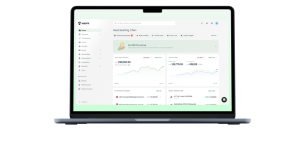
Reading about financial discipline is one thing; building it into your day-to-day operations is another. Housel's point about behavior beating brains only holds up if your business actually has the visibility to make calm, informed money decisions instead of reactive ones. This is where a platform like Aspire1 comes in: by centralizing expense management, corporate cards2, and cash flow tracking in one place, it gives founders the real-time financial clarity these books talk about.
Which business books should entrepreneurs read first
There is no universal reading order. The best books for business owners depend on current business and leadership priorities. So, instead of trying to read every recommended book immediately, identify your most pressing challenge and start there.
The value of entrepreneurship books often depends more on timing than popularity. Here is when to pick up each of these books:
[Table:2]
How to choose the right business entrepreneur book
Not every entrepreneurship book is going to be useful for you. It all comes down to which business problems you’re facing.
A newbie founder validating an idea needs different takeaways than a CEO who’s got rapid growth on their plate or someone facing leadership challenges. If you’re battling productivity, you’ll get more from certain reads than if you’re focused on hiring or culture.
Before you dive into the next one, pause and ask yourself a few things:
- Am I still figuring out if my idea even makes sense?
- Do I need help building real processes and systems?
- Is scaling and growth becoming difficult to manage right now?
- Should I work on my leadership game?
- Am I looking for smarter ways to handle money decisions?
Your answers will point you to the books that will deliver practical value.
Common mistakes entrepreneurs make when reading business books
Reading books on entrepreneurship is supposed to help you, but it can go in vain quickly if you are doing it the wrong way. Here are some of the biggest traps we see founders falling into all the time:
- Reading just for that motivational buzz instead of actually using the ideas
- Jumping from one book to the next without giving any of them real time to sink in
- Applying advice straight out of the book without thinking about how it fits your own business
- Treating every framework like it’s some unbreakable universal law
- Chasing productivity techniques while forgetting to actually get the real work done
Something that’s perfect for a venture-backed tech startup might be totally useless or even harmful for a family-owned manufacturing outfit. And advice that works for huge billion-dollar companies can feel way too heavy for someone who’s still figuring out the basics.
That’s why the founders who get the most out of startup books read them with a healthy dose of skepticism. They stop and ask themselves questions like:
- Does this actually match where my business is right now?
- What assumptions is the author making here?
- What’s one small thing I can test this week?
- What should I try before I commit to it fully?
Asking these kinds of questions is what turns a book from a “nice read” into something that actually improves how you run your company.
Final thoughts
The best business books for entrepreneurs don’t promise any magic shortcuts. What they do is help you see the common challenges that hit almost every business and propose ways to overcome them.
If you're still trying out your idea, building your first real team, dealing with growth headaches or trying to get better with money, the right book at the right moment can give you a fresh perspective and help you avoid some painful mistakes.
Frequently asked questions
What are the top business books for entrepreneurs in 2026?
Some of the best business books for entrepreneurs are The Lean Startup, Zero to One, The Hard Thing About Hard Things, Atomic Habits and The Psychology of Money.
How many business books should an entrepreneur read in a year?
There’s no perfect number. You’ll usually get way more out of reading a handful of books really well and actually applying what you learn than reading a large number of books without doing anything different.
Are older entrepreneurship books still relevant?
Yes, absolutely. Industries and technology change fast, but the fundamentals around leadership, understanding customers, getting stuff done, and making solid decisions tend to hold up really well.
Should entrepreneurs read books outside of business topics?
Founders learn some of their most valuable lessons outside the business section. Books about psychology, communication, history, or human behavior can sharpen your thinking in surprising ways. They help you to better understand your team, engage more deeply with customers and see situations from new angles.
What is the biggest mistake entrepreneurs make while reading business books?
Entrepreneurs tend to see business books as inspiration or light entertainment rather than practical tools. The best books are those that you interact with, that you test the ideas, experiment with them and thoughtfully adapt them to your own situation.