



If people in Hong Kong need to send money to Thailand, there are three primary methods available:
Traditional Bank Wire Transfer
Traditional Bank Wire Transfer (Telegraphic Transfer, TT) is one of the most common and secure ways to send money to Thailand. Senders can handle this in person at a bank counter or via online banking. For a wire transfer, you must provide the recipient's English name, account number, bank name, branch name, and SWIFT Code. Major Thai banks like Bangkok Bank, Kasikorn Bank, and Siam Commercial Bank all have international SWIFT codes to facilitate overseas transfers.
Funds are typically routed through one or more intermediary banks before reaching the recipient's account in Thailand. The process takes about 1–5 business days, depending on intermediary processing speeds, time zones, and local holidays. Fees include charges from the sending, intermediary, and receiving banks. It is recommended to confirm the fee-sharing method, such as "OUR (Full Amount Received)" or "SHA (Shared Fees)", to avoid insufficient funds.
Because wire transfers are part of the formal financial system, they offer high security and traceability, making them ideal for sending large sums or formal business transactions. However, exchange rates are usually based on the bank's spot or listed rates, leading to higher overall costs. For frequent transfers to Thailand, consider digital finance platforms to balance security and cost.
Third-Party Payment Platforms
In addition to traditional bank wires, using specialized international third-party platforms to send money to Thailand has become a popular and convenient choice. Senders simply register an account, bind a bank or credit card, and enter the recipient’s Thai bank info (or choose cash pickup) to complete the online transfer.
Compared to traditional banks, these platforms are easier to operate, and funds usually arrive within 1–2 business days, with some supporting instant or same-day entry. Interfaces often support multiple languages and display real-time exchange rates and fees, making costs transparent and controllable. Most also offer transaction tracking, notifications, and mobile apps.
However, users should check the platform's regulatory status and security mechanisms while comparing fees and arrival speeds. These platforms are a primary way to send money for small-to-medium amounts, family support, or personal transfers.
Online Transfer Platforms
For individuals and SMEs with frequent cross-border capital flows, online transfer platforms are another common method to send money to Thailand.
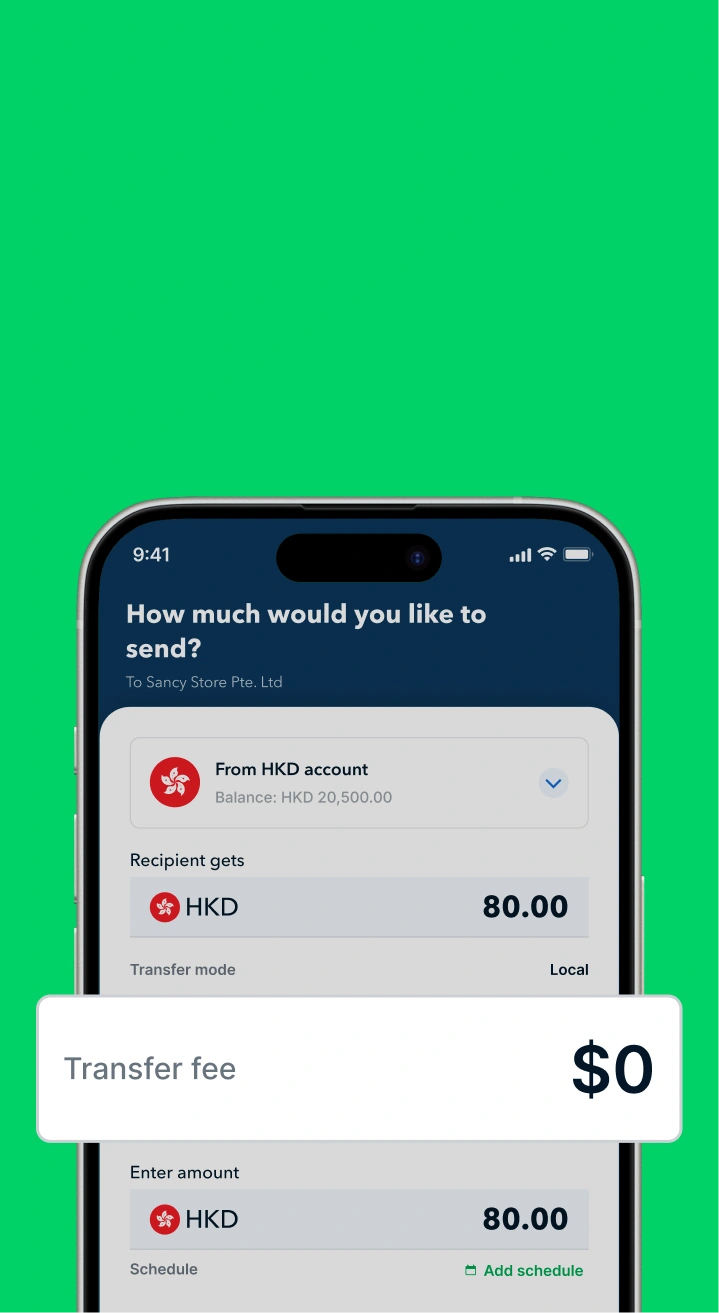
Unlike traditional banks, online platforms (like Aspire) offer real-time exchange rates close to the mid-market rate and a clear fee structure. Senders can calculate the exact amount received and total costs beforehand. Many platforms support various payment methods, such as local bank transfers, debit cards, credit cards, or even e-wallets, allowing users to choose based on their source of funds.
The operational workflow is generally as follows:
- Open an account online and complete identity verification (KYC).
- Enter the transfer amount and currency, then fill in the Thai recipient's name, bank name, SWIFT Code/BIC, branch details, and account number. The platform displays the rate, fees, and estimated arrival time instantly.
- Submit the instructions and track progress in real-time. Some platforms even provide multi-currency wallets, allowing users to store funds in advance to further shorten processing times, with many transactions completed within minutes to one business day.
Preparation for Sending Money to Thailand
To ensure a smooth transfer, you must prepare the following recipient details. According to Thai regulations, the recipient must provide a local Thai bank account. The HKMA also emphasizes anti-money laundering requirements, so senders may need to declare the purpose:
- Recipient's Full Name and contact information.
- Recipient's Account Number / IBAN.
- Receiving Bank Name, Address, and SWIFT/BIC Code (e.g., Bangkok Bank is BKKBTBKK).
- Recipient’s Address (Requested by some platforms).
- Purpose of Transfer (e.g., Business payment or Personal transfer; large sums may require proof).
- Fee Payment Mode (OUR/SHA/BEN).
- Documentation: Traditional banks require ID, address proof, and corporate docs. Platforms like Aspire only require online identity verification. Note: For amounts exceeding USD 200,000, additional documents are required.
What Are The Costs? (Aspire vs. Airwallex vs. PayPal vs. HSBC)
[Table:1]
How Long Does It Take to Transfer Money to Thailand
[Table:2]
Daily Transfer Limits
[Table:3]
How to Send Money to Thailand via Aspire
- Navigate: Click "Funds" on the sidebar (Web) or "Lists" > "Funds" (Mobile).
- Account: Select the relevant account for the transfer.
- Action: Click "Make a Transfer".
- Recipient: Select "New Recipient".
- Details: Enter currency and recipient info:
- Full Name (Max 35 characters).
- Type: Individual or Company.
- Bank Country, Account Number, Bank Name, SWIFT/BIC, and Address.
- Amount: Enter the transfer sum and fill in:
- Budget Association (Optional), Reference (Optional), and Category (Required).
- Finalize: Review and click "Confirm".
Do I Need to Pay Tax When Sending Money to Thailand?
In general, small, regular personal transfers to Thailand (e.g., living expenses, gifts) are usually not taxed. However, if the amount is large and viewed as "income" or a "gift," it may trigger Thai tax regulations.
- Gift Tax: For transfers to immediate family (parents, children, spouse), the annual tax-exempt limit is 20 million THB per person. For others (e.g., friends), the limit is 10 million THB per year.
- Maintenance Income: Regular living support for children is usually tax-exempt if the amount is reasonable.
- Reporting: For transfers exceeding USD 50,000, banks must report to the Bank of Thailand for anti-money laundering purposes, but this is an obligation of the recipient bank, not an automatic tax.
Choose Aspire: Faster and More Economical Global Transfers
Say goodbye to traditional bank hassles! Aspire provides an all-in-one solution for HK enterprises, integrating global transfers, spending management, and accounting automation:
- Global Collection & Payment: Digital account opening with same-day approval. Support for 130+ countries and 40+ currencies, with FX spreads as low as 0.18% (up to 3x cheaper than banks).
- Local Transfer Network: Use Aspire’s powerful local network to send and receive money like a local, bypassing expensive intermediary fees and shortening arrival times.
- Spending Control: Automate Invoicing and Bills. Issue corporate cards with instant reporting features. Sync all data with Xero, QuickBooks, and NetSuite.
- Unlimited Cashback: Earn 1% unlimited cashback on specific Marketing and SaaS expenses.
Open an account for free now to experience a smarter, more flexible financial solution and accelerate your business growth!

.jpeg)




.webp)