


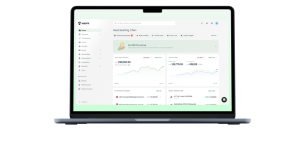
What is a business operating account and how it works
A business operating account is the account your business runs on every day. It’s where your revenue lands and where your core expenses get paid, from vendors and software to payroll and taxes.
It’s the account you rely on to understand what you can actually spend, what needs to be held back, and how stable your cash position really is at any point in time.
It’s where your day-to-day money sits
This is the account where your incoming payments land and where your regular expenses go out. It’s used for running the business, not for holding money long term.
The balance doesn’t reflect committed payments
The amount you see includes money that may already be planned for upcoming expenses. Even if those payments haven’t gone out yet, they still affect what you can actually use.
Money moves in and out at different times
Payments don’t happen all at once. Incoming and outgoing transactions are spread out, which means your balance keeps changing through the week.
It connects to how your business operates
This account is linked to your payments, cards, and financial tools. Most of your business activity flows through it, which is why it shows your current financial position.
It’s the reference point for spending
When you’re deciding whether to spend, this is the account you check. If it’s not clear what’s already accounted for, it becomes harder to make quick decisions.
Who needs a business operating account
If you’re running any kind of business with regular financial activity, you need a business operating account. The moment money starts coming in and going out, you need a clear place to manage that flow.
Once you’ve set up your business formally, like an LLC or corporation, mixing business and personal money stops being a small issue
You’re receiving customer or client payments
As soon as revenue starts hitting your account, you need a dedicated place to track what the business is actually bringing in. Otherwise, it’s hard to separate earnings from personal cash.
You have recurring or ongoing business expenses
Even a few recurring charges can create confusion if everything sits in one place. A dedicated business operating account keeps your spending visible and easier to manage.
You’re running payroll or paying contractors
Once you’re responsible for paying people, you need a setup that helps you stay consistent and avoid last-minute stress.
You want clarity before making spending decisions
If you’ve ever paused before approving a payment because you weren’t sure what’s actually available, that’s a clear signal you need a structured business operating account.
One operating account vs multiple accounts: what founders need to know
You can run your business with one operating account in the early stage, but as your expenses, commitments, and team grow, you’ll need multiple accounts to stay in control.
This should help you quickly see where your current setup stands and when it needs to change:
[Table:1]
What this means for you:
- If you can track your upcoming payments without checking multiple times, one account is enough for now
- If you’ve ever used money that was meant for taxes or payroll, you need separation
- If your balance looks fine, but you still hesitate before spending, your setup is not giving you clarity
- As your business grows, keeping everything in one account saves time early but creates risk later
Operating account vs trust account
An operating account is for your business’s money, while a trust account holds money that belongs to someone else. If you’re running day-to-day operations, your operating account is where everything flows. A trust account is only relevant when you’re managing funds on behalf of clients, like retainers, escrow, or regulated deposits.
The difference matters because mixing these two can create compliance risks and confusion around what you can actually spend.
[Table:2]
How to open a business operating account
To open a business operating account, you’ll need 2 things in place first: a registered business entity and the right documentation to prove ownership and activity. Once those are clear, opening the account itself is simple, but what matters more is setting it up in a way that actually works for your operations from day one.
Step 1: Register your business and get your EIN
Get your business registered and apply for an EIN before you start. This is what separates your business finances from personal ones. If you skip this or delay it, everything starts getting mixed, and cleaning that up later is a lot harder than doing it right now.
Step 2: Choose an account that fits how you operate
Pick an account based on how money actually moves in your business, not just what’s easiest to open. Think about how often you send payments and if your team needs access. If the account can’t keep up with your day-to-day flow, you’ll end up working around it.
Step 3: Prepare your documents and apply
Have your EIN, formation documents, ownership details, and basic business info ready before applying. Most applications are quick, but missing details can delay approval or trigger extra checks. It’s worth double-checking everything here.
Step 4: Set up how you’ll actually use the account
Don’t stop at opening the account. Decide early how you’ll manage money inside it, what stays in operation, what gets moved out, and how frequently you’ll do it.
How founders structure accounts as they grow
As your business grows, your account setup needs to move from one place that handles everything to a structure where each type of money has a clear purpose. This is how you avoid mixing spendable cash with committed funds and make cleaner decisions as transactions increase.
Most founders end up moving toward a setup like this:
Operating account for day-to-day spending
This is where your revenue lands and where you handle regular payments like day-to-day operating expenses. The goal here is to keep this account focused on active cash, not long-term balances.
Payroll or expenses account for planned outflows
Instead of running payroll and large recurring payments from the same pool, you set aside funds in advance. This helps you avoid last-minute adjustments when payment dates come up.
Tax account for money that is already owed
Taxes are not optional, so treating that portion of your cash as unavailable from the start keeps you from using it elsewhere. Moving funds here regularly makes tax payments predictable.
Reserve or savings account for stability
This is where you keep money that is not needed immediately but should stay accessible. It helps you handle slower months or unexpected costs without affecting daily operations.
Optional additional accounts based on how you operate
Some businesses create separate accounts for specific areas like marketing spend or large projects, when tracking becomes harder in a single pool.
Founder insight: Most founders don’t start with this structure. It happens after a moment where something slips, like using money meant for taxes or scrambling to cover payroll. The shift all about making sure the money you see is actually the money you can use.
What to look for in a business operating account
You want a business operating account that keeps your day-to-day money movement simple, visible, and easy to control. The right setup should reduce manual work and give you clarity without needing to double-check everything.
Easy payments and reliable access
You should be able to send and receive payments without delays or unnecessary steps, whether it’s ACH, wires, or real-time transfers. If moving money feels slow or restrictive, it will start affecting how you operate day to day.
Clear visibility into balances and transactions
You need to see what’s coming in, what’s going out, and what’s left without digging through reports. Real-time visibility helps you make decisions faster without second-guessing your numbers.
Multi-user access with controls
As your team grows, you’ll want others to handle payments without losing control over approvals. Role-based access keeps things moving while making sure nothing goes out without the right checks.
Accounting and tool integrations
Your operating account should connect directly with tools like QuickBooks or Xero so your books stay updated automatically. This reduces manual reconciliation and helps you avoid errors later.
Low fees and practical limits
Monthly fees, transaction limits, and hidden charges can add up quickly if you’re not paying attention. You want a setup that supports your volume without penalizing you as your business grows.
Common mistakes founders make with operating accounts
Most issues with business operating accounts don’t come from the account itself, they come from how it’s used. Small gaps in structure or visibility can lead to bigger problems as your business grows.
Treating the full balance as available to spend
Your account balance includes money already committed to upcoming payments. If you spend without accounting for that, you’ll end up adjusting plans or delaying payments later.
Not reviewing activity regularly
If you’re not checking transactions consistently, small issues go unnoticed until they stack up. Regular review helps you catch errors, unexpected charges, or shifts in spending early.
Letting everything run through one account for too long
What works early can start slowing you down as activity increases. Keeping the same setup despite growing complexity makes it harder to stay organized and in control.
Not setting clear payment routines
When payments go out without a defined schedule or process, it creates inconsistency. You lose predictability, which makes planning harder than it needs to be.
Relying on memory instead of structure
Trying to remember what’s due or what needs to be held back does not scale. As transactions increase, you need a setup that shows you what matters without relying on recall.
A smarter way to think about your operating account
An operating account is not where all your money should sit, it’s where your business runs from day to day. The real shift is treating it as your working layer, while the rest of your cash is structured around it so you always know what’s available, what’s committed, and what needs to stay untouched.
As your setup evolves, the account you use should keep up with how you operate. The Aspire business account¹ is built around this idea, giving you a single place to manage day-to-day payments, move money quickly, and stay on top of spend without adding complexity. You can send and receive funds with real-time transfers, pay globally in multiple currencies, issue corporate cards2 with controls for your team, and keep everything synced with your accounting tools, so your operating account actually supports how you run and scale your business.

.jpeg)