

What is SaaS invoicing software
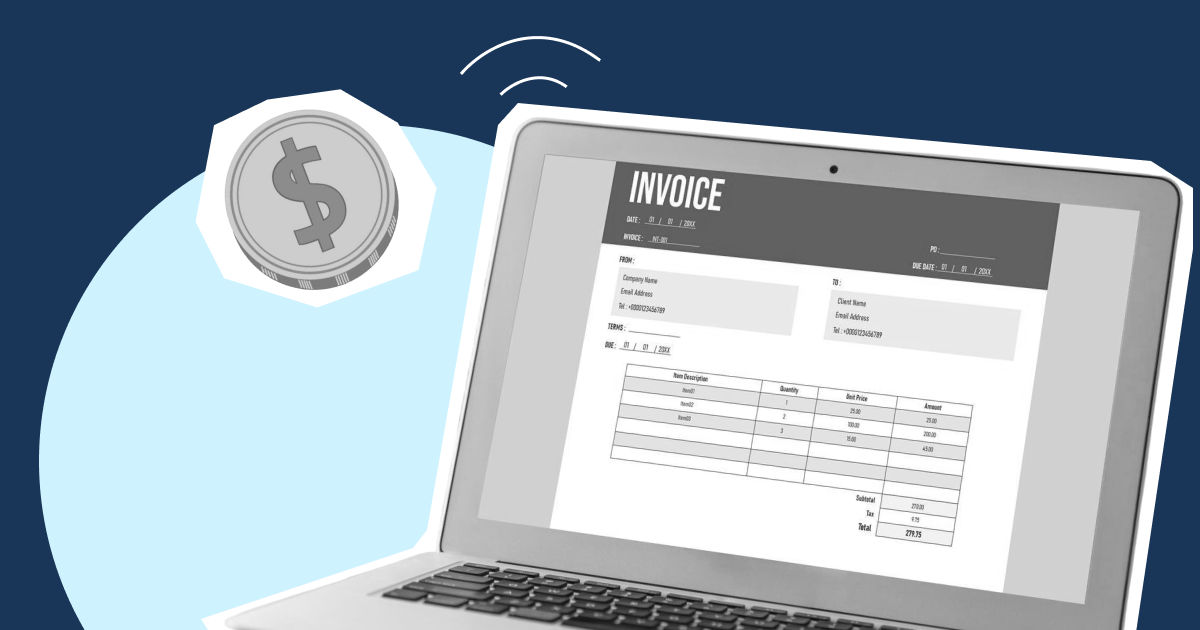
SaaS invoicing software is an automated solution that creates, sends, and manages invoices for subscription-based businesses. Traditional invoicing tools are mostly built for one-off transactions, but modern SaaS invoicing solutions support subscription management, usage-based pricing, prorated plan changes, and automated payment collection.
How does SaaS invoicing software work?
Instead of relying on manual spreadsheets or standalone invoicing tools, SaaS invoicing software automates the billing lifecycle by integrating with your finance stack.
- Subscription management: Creates invoices based on recurring billing cycles, renewals, free trials, upgrades, downgrades, and cancellations.
- Usage-based billing: Calculates charges using customer consumption, such as API requests, storage, or bandwidth, where supported.
- Automated payment collection: Integrates with payment gateways to process recurring payments and automatically generate invoices.
- Proration: Adjusts invoice amounts when customers change plans during an active billing cycle.
- Accounting integrations: Syncs billing data with accounting software and ERP systems to simplify reconciliation and financial reporting.
Traditional Invoicing vs. SaaS Invoicing
[Table:1]
As billing requirements become more sophisticated, more companies are using a broader SaaS billing platform that extends their invoicing with subscription management, payment recovery (dunning), tax automation, revenue recognition, reconciliation, and financial reporting capabilities. This means finance teams can handle the whole recurring revenue lifecycle from a single platform, instead of several solutions.
SaaS billing software vs SaaS invoicing software
SaaS billing software and SaaS invoicing software are commonly used interchangeably; they actually have separate objectives.
[Table:2]
If you're an early-stage startup with a small customer base, SaaS invoicing software may be sufficient for your billing needs. Subscription models are becoming increasingly sophisticated, and a lot of companies are using a specialized SaaS billing platform that offers subscription administration, invoicing, payment collection, and financial reporting all in a single solution.
Benefits of SaaS invoicing software
Automates recurring billing and subscription management
Modern SaaS invoicing software automates recurring invoices, subscription renewals, upgrades, downgrades, cancellations, and prorated billing. This reduces manual effort while ensuring customers are billed accurately throughout the subscription lifecycle.
Supports flexible SaaS pricing models
A dedicated SaaS billing software solution supports flat-rate, per-seat, usage-based, tiered, hybrid, and enterprise pricing models. Businesses can introduce new pricing strategies without rebuilding billing workflows or manually adjusting invoices.
Improves billing accuracy and reduces revenue leakage
Manual invoicing increases the risk of billing errors, missed renewals, and incorrect charges. SaaS billing systems automate invoice generation, payment collection, discounts, taxes, and prorations to improve billing accuracy and protect recurring revenue.
Simplifies global billing and financial operations
As businesses expand internationally, SaaS billing software supports multi-currency invoicing, local payment methods, VAT/GST compliance, and integrations with accounting software and ERP systems, helping finance teams manage global operations more efficiently.
Scales with business growth
As customer numbers, subscription plans, and billing complexity increase, SaaS invoicing software scales with the business by automating billing workflows, reducing administrative work, and providing finance teams with greater visibility into recurring revenue operations.
How the SaaS billing process works
A modern SaaS billing system automates the entire billing lifecycle from subscription setup to financial reporting. Instead of relying on disconnected tools and manual processes, modern SaaS invoicing systems integrate or connect with subscription management, invoicing, payment processing, collections, and accounting workflows to improve billing accuracy and operational efficiency.
1. Customer selects a subscription plan
The billing process begins when a customer signs up for a subscription. The system records the selected plan, pricing model, billing frequency, contract terms, discounts, and applicable taxes to establish the customer's billing profile.
2. Billing rules are configured
The billing engine configures recurring billing schedules and applies pricing rules based on the customer's subscription. It supports pricing models such as flat-rate, per-seat, usage-based, tiered, and hybrid pricing while managing renewals, free trials, upgrades, downgrades, cancellations, credits, and prorated charges throughout the subscription lifecycle.
3. Usage or subscription data is captured
For usage-based or hybrid pricing models, the billing platform captures or imports usage data, such as API requests, storage consumed, transactions, or active users, to calculate charges for each billing period. For subscription-based plans, it automatically tracks recurring billing events according to the customer's billing schedule.
4. Invoices are generated automatically
Based on the customer's subscription details and usage data, the system automatically generates invoices for each billing cycle. It applies pricing rules, discounts, taxes, and prorations where applicable, helping reduce manual billing errors and ensure invoice accuracy.
5. Payments are collected and managed
The billing platform processes payments through integrated payment gateways. If a payment fails, automated dunning workflows, including payment reminders and smart retry logic, help recover failed payments before subscriptions are suspended or canceled.
6. Billing data syncs with finance systems
After payments are processed, billing data is synchronized with accounting, ERP, and financial reporting systems to simplify reconciliation and support accurate financial reporting. Clean billing data doesn't just improve invoicing accuracy. It also gives finance teams reliable recurring revenue data for more accurate SaaS revenue forecasting and long-term financial planning.
Many enterprise SaaS billing platforms also support revenue recognition or integrate with dedicated revenue recognition solutions while helping finance teams monitor key metrics such as Monthly Recurring Revenue (MRR) and Annual Recurring Revenue (ARR).
How SaaS billing evolves as your business grows
As SaaS businesses grow, billing becomes more complex. While early-stage companies can often manage recurring invoices with basic SaaS invoicing software, growing customer bases, flexible pricing models, and global operations typically require dedicated SaaS billing software to improve billing accuracy, compliance, and operational efficiency.
Early-stage SaaS
Early-stage SaaS companies typically have a single pricing plan, one billing currency, and a small customer base. Basic invoicing software or spreadsheets are often sufficient for managing recurring invoices and payment collection.
Growth-stage SaaS
As businesses scale, billing becomes more dynamic with annual contracts, per-seat, usage-based, tiered, and hybrid pricing. Customers upgrade, downgrade, renew, or cancel subscriptions, making subscription management, prorated billing, and automated renewals essential for reducing manual work and billing errors.
Global SaaS
Global expansion introduces multi-currency support, local payment methods, VAT/GST compliance, multiple legal entities, and consolidated financial reporting. Modern SaaS billing software automates billing workflows and integrates with payment gateways, accounting software, and ERP systems to help finance teams manage global operations efficiently.
SaaS pricing models and their invoicing challenges
Modern SaaS businesses rarely rely on a single pricing model. To meet different customer needs, they often combine flat-rate subscriptions, per-seat pricing, usage-based billing, tiered plans, hybrid pricing, and enterprise contracts. While these pricing models increase revenue opportunities and pricing flexibility, they also make invoicing more complex. SaaS invoicing platforms automate recurring invoice generation, payment collection, prorated billing, and integrations with payment gateways and accounting systems, helping businesses improve billing accuracy and reduce manual effort.
Flat-rate subscriptions
Customers pay a fixed recurring fee for access to the product.
Invoicing challenge: Automating recurring invoices, renewals, payment collection, and subscription cancellations.
Per-seat pricing
Charges are based on the number of active users or licenses.
Invoicing challenge: Adjusting invoice amounts when users are added or removed, including prorated charges for mid-cycle changes.
Usage-based pricing
Customers pay according to product consumption, such as API requests, storage, bandwidth, or transactions.
Invoicing challenge: Tracking usage accurately and generating invoices based on measured consumption each billing period.
Tiered pricing
Different pricing tiers offer varying features or usage limits.
Invoicing challenge: Applying the correct pricing tier and automatically updating invoices when customers change plans.
Hybrid pricing
Combines multiple pricing models, such as a recurring subscription with usage-based or per-seat charges.
Invoicing challenge: Consolidating recurring fees, variable charges, discounts, credits, and prorations into a single invoice.
Enterprise contracts
Custom pricing agreements with negotiated terms, volume discounts, committed usage, or tailored billing schedules.
Invoicing challenge: Supporting contract-specific pricing, customized billing schedules, and accurate financial reporting while maintaining compliance.
Signs you need to change your billing system
Your billing system should enable development, not hinder it. If finance staff are still working in spreadsheets, manually, or using disconnected tools, you might want to consider investing in scalable SaaS invoicing software.
Some common indicators include:
- Your finance team spends days reconciling invoices and payments rather than studying business performance
- It is difficult to accommodate new price structures, such as tiered, usage-based, or per-seat payment
- International expansion means numerous currencies, regional tax compliance, and local payment options
- Most payment recovery is manual, which increases the number of failed payments and involuntary churn
- Inconsistent revenue reporting is caused by disconnected billing, payment, and accounting systems
- Engineering teams are spending valuable time supporting custom billing logic rather than implementing customer-facing services
If any of these pain points resonate, your business has probably outgrown standard invoicing software and needs a billing platform built to scale.
Features to look for in a SaaS invoicing software
The best SaaS invoicing software should automate recurring billing, support flexible pricing models, and simplify subscription management as your business grows. Look for a platform that integrates with your finance stack, supports global compliance, and provides real-time visibility into recurring revenue.
Flexible subscription management
Choose SaaS billing software that supports recurring billing, free trials, freemium plans, per-seat, usage-based, tiered, and hybrid pricing models. It should also automate renewals, upgrades, downgrades, cancellations, and prorated billing throughout the subscription lifecycle.
Automated billing and dunning
A reliable SaaS billing system should automate invoice generation, recurring payments, payment reminders, smart retries, and dunning workflows. This reduces manual work, improves cash flow, and helps recover failed payments before they result in involuntary churn.
API-first integrations
The platform should integrate seamlessly with payment gateways, CRM software, accounting software, and ERP systems through robust APIs. Connected billing workflows eliminate manual data entry, simplify reconciliation, and provide a single source of financial data.
Global compliance and multi-currency support
If you plan to expand internationally, look for SaaS invoicing software that supports multiple currencies, localized payment methods, VAT/GST or sales tax calculations, multi-entity billing, and revenue recognition capabilities or integrations to simplify global compliance.
Real-time reporting and customizable invoicing
Choose a platform that provides real-time insights into key SaaS metrics such as Monthly Recurring Revenue (MRR), Annual Recurring Revenue (ARR), collections, and cash flow. It should also support customizable invoices with your branding, payment terms, line items, and usage summaries to deliver a professional customer experience.
5 SaaS invoicing software to check out
There is no single SaaS billing software that fits every business. The ideal solution relies on your pricing strategy, your financial needs, and your stage of growth.
[Table:3]
The right platform is less about how many features it has and more about whether it can support your pricing strategy, finance operations, and future growth. As your billing complexity grows, you'll want to find a solution that scales without manual work or engineering costs.
Simplify accounts receivable with Aspire
Choosing the correct SaaS invoicing software helps automate recurring invoices, subscription billing, and payment collection. As your business grows, finance teams also need better visibility into outstanding invoices, customer payments, receivables, and cash flow.
Accounts Receivable solution extends beyond invoice creation by helping businesses create, send, and manage invoices, automate payment reminders, reconcile payments automatically, and monitor receivables from a single dashboard. With integrations to major accounting software, finance teams can reduce manual work, improve cash flow visibility, and get paid faster.
For growing SaaS businesses, invoicing is only one part of the receivables process. Aspire's Accounts Receivable solution helps finance teams streamline receivables management, automate reconciliation, and maintain greater visibility into cash flow as the business scales.
Conclusion
The best SaaS invoicing software for your business relies on your pricing strategy, stage of growth, and operational demands. As your business grows, finance is no longer about creating invoices; it’s about integrated workflows, increased visibility, and improved financial controls. By linking billing with wider finance activities, companies may decrease manual work, increase productivity, and establish a finance stack that supports long-term success.
FAQs
What does SaaS billing software do?
Subscription-based organizations use SaaS billing software to automate critical billing functions like subscription management, recurring billing, invoicing, collecting payments, and updating prices. Many of today’s SaaS billing platforms also offer billing automation, dunning, reporting, and connections with payment processors, accounting software, and CRM systems to assist firms in optimizing their financial processes.
Is QuickBooks a SaaS invoicing software?
No. QuickBooks is more of an accounting platform than pure SaaS invoicing software. It does allow invoicing and recurring invoices, but it does not have advanced subscription billing features like usage-based pricing, subscription lifecycle management, proration, and customizable billing models. Many developing SaaS organizations are using QuickBooks coupled with a dedicated SaaS billing software.
What is the best invoicing software for SaaS?
There’s no best SaaS invoicing software for every organization. The ideal option depends on your price plan, the complexity of your subscription, and the growth stage. Many companies with simpler billing needs may simply need simple invoicing solutions. Platforms like Stripe Billing, Chargebee, Recurly, and Maxio offer invoicing as part of a full subscription billing platform. While Aspire enables you to manage all the financial operations at a single place.
When should a SaaS business change its billing system?
A SaaS company should think about upgrading billing software when manual invoicing becomes a costly exercise, pricing models are more sophisticated, international development introduces additional tax and currency constraints, and finance teams spend too much time reconciling transactions. Modern billing software automates these operations and enables long-term growth.
How to detect if your current billing software is hindering your growth?
If your existing SaaS billing software can’t support recurring subscriptions, usage-based billing, different pricing models, numerous currencies, or integrations with your accounting and finance systems, you are holding back your growth. Frequent manual reconciliation, billing problems, delayed reporting, and growing operational costs are signals that you need to switch to a more scalable SaaS billing platform.
What's the difference between billing and invoicing?
Invoicing refers to the generation and mailing of invoices so that we can receive payments from customers. Billing is a more comprehensive process that covers subscription management, recurring billing, price changes, payment collection, payment tracking, and billing automation. To summarize, SaaS invoicing software is used to create invoices, while SaaS billing software covers the whole billing lifecycle.
Do I require a Merchant of Record?
Merchant of Record (MoR) is the legal seller in charge of a transaction. Beyond processing payments, the MoR is responsible for indirect tax calculation and transmission, regulatory compliance, chargebacks, and refunds. For SaaS enterprises, a Merchant of Record simplifies international expansion. If you want to maintain complete control over payments and compliance, you may use a SaaS billing platform that offers a payment processor.
What’s the difference between a billing platform and a payment processor?
A SaaS billing platform covers subscriptions, recurring billing, invoices, pricing models, billing automation, and payment tracking. A payment processor securely authorizes, captures, and settles consumer payments. The billing platform just tells it when and why and how much to bill, and the payment processor just takes care of how the money is safely processed.