


What is cash flow
Cash flow is the movement of money in and out of your business. Money coming in includes customer payments, loans, investments, and occasional grants or incentives. Money going out covers wages, rent, stock, and monthly tax and other operational expenses.
Positive cash flow means more money is coming in than going out and ensures the business can sustain growth effectively. Negative cash flow is a warning sign worth taking seriously and requires immediate corrective action to prevent collapse.
Cash flow vs profit: What is the difference
Profit and liquidity are not the same. A business can be profitable on paper but still run out of cash. Profit is calculated after revenue and expenses are recorded.
But cash only moves when money is actually paid or received. If a client owes you AUD $20,000 but hasn't paid yet, that amount shows as profit, not cash.
This gap is where many Australian businesses get into trouble. Understanding it is the foundation of smart cash flow management.
Why cash flow management matters
Poor cash flow is one of the top reasons small businesses fail in Australia. According to ASIC, inadequate management is consistently listed among the leading causes of business insolvency.
Good management lets you pay staff on time, meet tax obligations, and invest in growth. Without it, you're always reacting, chasing payments, delaying suppliers, or dipping into personal savings. With it, you're in control.
Common cash flow problems Australian businesses face
Most liquidity issues share similar roots. Knowing them helps you spot trouble early. Australian business owners commonly deal with:
- Slow-paying clients who stretch payment terms to 60 or 90 days
- Unexpected expenses like equipment repairs or compliance costs
- Seasonal revenue dips that leave gaps in lean months
- Overtrading, where rapid growth outpaces available cash
- Poor visibility into future income and spending
How to create a cash flow forecast
A forecast is a core part of good cash flow management. It maps out expected income and expenses over a set period, usually 4 to 13 weeks. This helps you spot shortfalls before they happen.
List every expected cash inflow, including confirmed invoices, recurring revenue, and any other payments due. Then list every outgoing payment, rent, wages, loan repayments, and tax instalments. Subtract outgoings from inflows for each period. If the result is negative, you have time to act.
How to improve your cash flow
There's no single fix for cash flow. The best approach combines several small improvements across your business.
Get paid faster
Send invoices immediately after delivering work or goods. Set clear payment terms; 14 days is reasonable for most Australian businesses. Use automated payment reminders and offer payment options, such as bank transfer or card, to reduce friction and speed up collection.
Control your outgoings
Review your recurring expenses regularly. Cancel subscriptions you no longer use and delay non-urgent purchases when cash is tight. If a supplier offers 30-day terms, use them; don't pay early unless there's a meaningful discount.
Manage inventory and stock
Excess stock ties up cash without generating returns. Review your inventory turnover regularly and avoid over-ordering. Ordering more frequently in smaller quantities can free up meaningful amounts.
Negotiate better supplier terms
Many suppliers will offer extended terms if you simply ask. A 30-day extension on an AUD $50,000 monthly bill makes a real difference. Strong relationships with key suppliers give you more leverage when you need flexibility.
How to handle tax obligations without hurting cash flow
Tax is one of the biggest challenges for Australian businesses. GST, PAYG withholding, and company tax can all create large, irregular outflows.
Set aside 20 to 30% of every payment received into a separate account. That way, when a Business Activity Statement (BAS) is due, the money is ready. Work with a registered tax agent to understand your payment schedule and plan around it.
Cash flow financing options
Even with strong management, some businesses need a short-term cash boost. Common options for Australian businesses include:
- Business overdrafts, which let you draw beyond your account balance up to an agreed limit
- Invoice financing, where a lender advances funds against your unpaid invoices
- Business lines of credit, which give flexible access to funds when needed
- Government grants and small business support through programmes like the Australian Business Growth Fund
Each option has trade-offs. Always weigh the cost against the benefit before committing.
Tools to help you manage cash flow
The right tools remove the guesswork from managing revenue. Accounting platforms like Xero, MYOB, and QuickBooks all offer reporting features tailored to Australian businesses.
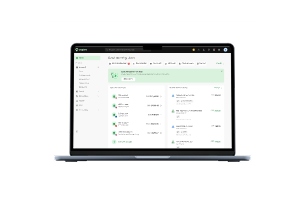
Cash flow management software can connect your bank feeds, forecast future balances, and flag problems before they escalate. Modern fintech platforms consolidate spending, payments, and reporting into one place, giving better visibility to make decisions confidently.
These strategies for small businesses often begin with a basic spreadsheet forecast.
Conclusion
At Aspire, we work with founders building ambitious businesses across borders. Cash flow management isn't just an accounting exercise; it's how you stay in the game long enough to grow. If you're looking for smarter ways to manage your finances, we're here to help.
FAQs
Here are answers to some common questions about managing cash flow.
What is the best way to start managing business cash flow?
The best starting point is a simple weekly cash flow forecast that tracks expected income and outgoings. Even a basic spreadsheet gives you visibility into potential shortfalls before they happen.
How often should I review my cash flow forecast?
You'll want to review your cash flow forecast at least once a week. More frequent reviews are useful during busy periods or when your business is growing quickly.
What causes most cash flow problems in small businesses?
Most cash flow problems stem from late customer payments, poor invoice tracking, or unexpected large expenses. Addressing payment terms and regularly monitoring outgoings can significantly reduce these risks.
How does good cash flow management help my business grow?
Effective cash flow management gives you the financial stability to invest in opportunities, hire confidently, and avoid costly short-term borrowing. It's the foundation that supports every other part of your business strategy.








.jpeg)






























.jpeg)




.jpeg)


.jpeg)