

What is a payment gateway?
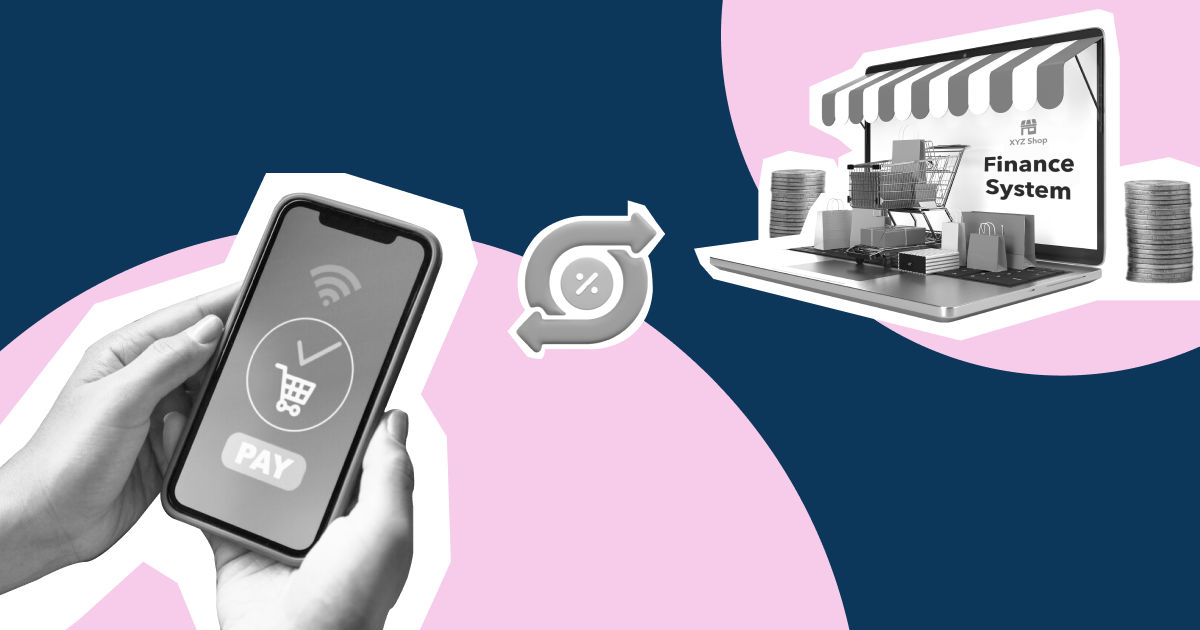
A payment gateway is the technology that authorises and processes customer payments. It connects your store, whether physical or online, to the financial system your business uses. An online payment gateway handles this job entirely through the internet.
How do payment gateways work?
Three key players are involved every time a customer pays you online. Understanding each helps you choose the right setup.
Payment gateway
The payment gateway encrypts card details and sends them securely to the processor. It's the first touchpoint in every transaction. Strong security, including tokenisation and PCI DSS compliance, is essential at this layer.
Payment processor
The payment processor communicates between the customer's bank and your merchant account. It verifies funds and approves or declines the transaction. Processors must meet strict security standards to operate in Australia.
Merchant acquirer
The merchant acquirer holds your merchant account and settles funds into your bank account. Some providers combine all 3 roles in one platform. Others keep them separate, so it's worth clarifying what you're signing up for.
Australia's payment landscape: What small businesses need to know
Australia has a distinct payments environment. A few local factors affect which gateway you should choose.
The NPP (New Payments Platform)
The NPP enables real-time bank transfers across Australia, under oversight from the Reserve Bank of Australia. Many modern gateways now support NPP-based payments for faster settlement times.
Regulatory requirements
Payment providers in Australia may need to comply with APRA regulations, and they may need to hold an AFSL or an ACL. Always verify a provider's regulatory status before signing up.
BNPL integration
Buy Now Pay Later, or BNPL, is hugely popular with Australian shoppers. It can increase your average order value. Afterpay, Zip, and Klarna are widely used BNPL providers among local businesses.
GST and ATO compliance
Your payment gateway should make GST reporting straightforward. Accurate records keep you compliant with ATO requirements. Many gateways connect directly with accounting tools to streamline this.
Mobile payments
Australian consumers are fast adopters of mobile wallets. Supporting Apple Pay and Google Pay is now an expectation. Make sure your chosen gateway enables these payment methods.
What to look for when choosing a payment gateway in Australia
Not every gateway suits every business. Here's what matters when you're evaluating your options:
- Affordable transaction fees and monthly rates: Compare per-transaction rates and any flat monthly fees. Some gateways charge both; others don't charge monthly fees at all.
- Security and fraud protection: Look for PCI DSS compliance, tokenisation, and built-in fraud protection tools.
- E-commerce platform integration: Check whether the gateway connects with WooCommerce, Shopify, or your existing website payment gateway setup.
- Multi-currency support: If you sell internationally, multi-currency support is essential. Watch out for hidden FX fees on foreign transactions.
- API integration: Developers will want clean, well-documented APIs. This matters if you're building a custom checkout or integrating with existing tech.
- Accounting integrations: Native connections to Xero and QuickBooks save you time during tax season.
- POS compatibility: If you sell in person, look for a gateway that supports point-of-sale hardware.
Settlement speed is another factor worth considering. Some gateways hold funds for several days before releasing them to your account. For small businesses managing tight cash flow, faster settlements can make a real difference.
Also, think about customer support. If a payment fails or a dispute arises, you want a provider that responds quickly. Local support matters, especially when issues involve Australian banking partners or ATO-related queries.
Finally, check whether the gateway offers a sandbox or test environment. This lets you trial the integration before going live. It's a small feature that saves a lot of troubleshooting down the track.
Online payment methods for small businesses
Australian shoppers use a wide range of internet payment gateways and methods. Here are the most common ones to be ready to accept:
- Credit and debit cards: Visa, Mastercard, and Amex remain the most widely used payment methods online.
- Digital wallets: Apple Pay and Google Pay are growing rapidly in Australia.
- BNPL: Afterpay, Zip, and similar BNPL services are expected by many online shoppers.
- Bank transfers via NPP: These are increasingly supported as direct, real-time payment options.
Understanding which methods your customers prefer helps you prioritise which to enable.
Best payment gateways for small businesses in Australia 2026
Here's a breakdown of the best payment gateways in Australia right now. When reviewing these options, consider how each fits your business model.
Adyen
Adyen is a global payment gateway provider used by large and mid-sized businesses. It supports multi-currency transactions and strong fraud protection tools. It's feature-rich but may be more complex than smaller businesses need.
Stripe
Stripe is one of the most popular website payment gateway options globally. It offers robust API integration, supports Apple Pay and Google Pay, and connects with WooCommerce and other e-commerce platforms. Transaction fees are competitive, with no monthly fees on the standard plan.
Square
Square combines POS hardware with an online payment gateway. It's a solid choice if you sell in-store and online. There are no monthly fees, and the transaction fees are simple and flat-rate.
Shopify Payments
If you're on Shopify, Shopify Payments removes the need for a third-party provider. It's fully integrated with your store and supports multi-currency. You'll avoid the extra transaction fees that Shopify charges when using external gateways.
PayPal
PayPal is one of the most recognised online payment gateway options in Australia. It supports BNPL through PayPal Pay Later and is quick to set up. Fees run slightly higher than some rivals, but brand trust can improve checkout conversion rates.
Airwallex
Airwallex suits businesses with international customers well. It offers competitive FX fees and multi-currency support. It's ideal for Australian businesses that regularly transact in foreign currencies.
Pin Payments
Pin Payments is an Australian-founded payment gateway provider built for local businesses. It supports most major cards and offers simple pricing. It's a straightforward choice for businesses that want local support.
Afterpay / BNPL options
Afterpay is Australia's most popular BNPL provider. Adding it to your checkout is straightforward via most e-commerce platforms. It can lift conversion rates, especially for higher-ticket items.
Payment gateway fee comparison table
[Table:1]
Fees are indicative. Always check the provider's current pricing page for exact rates.
Conclusion
At Aspire, we know payment infrastructure is just one piece of the puzzle. Managing cash flow, tracking expenses, and staying compliant are equally important for small businesses. We built our platform to help founders streamline finances across borders, offering multi-currency accounts that make global payments and accounting integrations easy.
FAQs
Here are quick answers to common payment gateway questions for Australian small businesses.
What is the difference between a payment gateway and a payment processor?
A payment gateway encrypts and transmits transaction data, while a payment processor handles the communication between banks to approve or decline payments.
Do I need a merchant account to accept payments online?
Some modern payment gateway providers bundle a merchant account into their service, while others require you to set one up separately with a bank.
Are payment gateways required to be PCI DSS compliant in Australia?
Any payment gateway handling card data in Australia must comply with PCI DSS standards to protect cardholder information and reduce fraud risk.
How do I choose the best payment gateway in Australia for my small business?
Choosing the best payment gateway in Australia depends on your transaction volume, whether you need POS support, your accounting tools, and whether you sell in multiple currencies.


.jpeg)


































.jpeg)





.jpeg)


.jpeg)