

What is a payment gateway
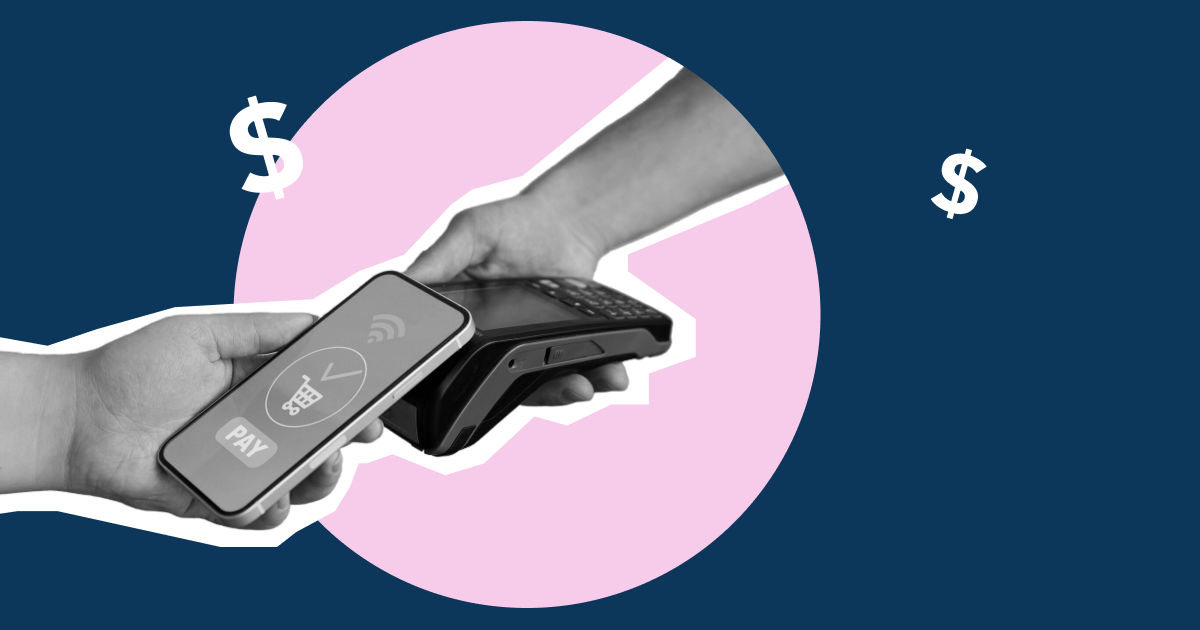
Three components are involved in a business transaction. A payment gateway acts as a data carrier between the customer’s bank, the merchant’s bank, and the payment processor. It interlinks these parties and facilitates digital and in-store purchases. As payment gateways encrypt bank information, transactions are secured with PCI DSS, and AI fraud detection.
When a customer issues a payment or clicks on a purchase payment link, payment gateways relay that information to the business account. Alongside Visa and Mastercard, payment gateways in Singapore need to support local networks like PayNow and GrabPay.
Businesses have to combine a payment gateway with a payment processor to ensure frictionless transactions.
What is a payment processor
Payment processing and authorisation controls come under payment processors. It links and facilitates the movement of funds from the customer’s bank to the merchant’s bank. Most payment processors offer a suite of services including transaction processing, flagging fraudulent attempts, chargeback controls and regulatory compliance.
When a customer swipes the card or chooses a digital payment option, payment processors verify the details and enable the transfer. Where a payment gateway initiates the transfer of information, a payment processor moves the funds.
7 key differences of payment gateway vs payment processor in Singapore
Often confused as one, both payment processor and payment gateway are required for electronic transactions and play an important role.
[Table:1]
Role in the transaction
- Payment gateway vs payment processor: It connects the customer’s bank with the acquiring bank at the front-end. Its primary function is to transmit information and ensure that security protocols are followed.
- Active in the back-end, payment processors provide services beyond transferring funds. If you want strong security, that comes with additional charges in the package.
Operation space
- Payment gateway vs payment processor: You come across payment gateways in Singapore on POS terminals, digital checkouts, ecommerce websites, and mobile applications.
- It is integrated into a financial platform, where you can opt for a stack of services additional to transaction routing.
Licensed by
- Payment gateway vs payment processor: The Monetary Authority of Singapore (MAS) is the license provider for both. Unless exempt, payment gateways in Singapore need the relevant license. A Payment Card Industry (PCI) Level 1 certification is also a standard requirement to gain industry trust to handle cardholder data.
- Depending on your monthly revenue and other specifications, payment processors in Singapore must apply for a Standard Payment Institution (SPI) or Major Payment Institution (MPI) license from MAS.
Ancillary services
- Payment gateway vs payment processor: On its own, a traditional payment gateway in Singapore offers only data encryption and transfer. For a single interface experience incorporating payment processors and gateways, financial technological platforms help founders save on multi-platform expenses.
- Many payment processors in Singapore offer a combination of services like multi-currency wallets, expense and risk management tools, well-documented APIs and more.
Business model compatibility
- Payment gateway vs payment processor: Depending on the service provider, your APIs and functionality may vary. For instance, Stripe Singapore offers customisable API but that demands tech experience from your team. On the other hand, Shopify Payment allows free transfers within Shopify Payment infrastructure. Third-party integrations come with extra charges.
- Some payment processors may require you to set up a merchant account. Fintech platforms simplify it for you by covering it as part of its grid of services.
Expenses
- Payment gateway vs payment processor: It may charge a fee on domestic transactions, international transfers, major cards fee, payment alternative fee, and more, adhering to the provider’s policies.
- Check if the selected payment processor includes a subscription, per transaction charges, international card fee, chargeback penalty, subscription or setup fee, and PCI DSS compliance cost.
Choose a payment gateway in Singapore
Let’s break down the elements of payment processor vs payment gateway. The main types of payment gateways are:
[Table:2]
When selecting a payment gateway in Singapore, determine the answer to these questions:
- Accepted payment methods: Does the payment gateway accept a broad and local network of payment methods, including PayNow, GrabPay, debit/credit cards, NETS, global UPIs like Apple Pay and Google Pay?
- Fees: How does the pricing structure compare to its competitors and are there hidden charges?
- Supported ecosystem: Does it fit into your pre-existing model of payment and ecommerce infrastructure? Consider and test it to avoid unnecessary expenses to reset your system.
- Security: What are the PCI compliant policies? Which encryption and fraud detection toolsets do they offer?
- Chargeback management: How much is the chargeback and dispute fee?
- Multicurrency transfers: If your business has a customer or vendor base cross-border, how does this payment gateway handle foreign currency and FX markups?
How a payment gateway and processor work together
Payment gateway and processor function as distinct units in a transaction. After the customer enters their cardholder details, a payment gateway encrypts the data and transmits it to the payment processor, which reads the data and relays it to the issuing bank. The customer’s bank runs a security test, checks the available funds, and approves or denies the transaction. The payment processor passes the bank’s verdict to the payment gateway. It then updates the business portal about the status of the transaction and a settlement occurs in the case of a successful payment.
Choose a payment processor in Singapore
Often, aggregators are confused with merchant account providers. Clarify the difference between them to understand the market in its nuances:
[Table:3]
Alongside the queries covered under payment gateways, founders ask:
- Contract terms: If it is contract-based, are there early termination fees attached to it?
- Cashflow: Settlement period directly impacts the cashflow of businesses. Is it T+1, T+2, or T+3? Does it charge extra for the same or next-day settlement?
- Related services: What is the suite of services the payment processor in Singapore offers? A business solution stack helps you save more, so do the math.
- Support: Does it extend to chat, email, and human agent contact or does it stop at a ticket queue?
Top payment processors and gateways in Singapore (2026)
When it comes to payment processor vs payment gateways, combined hosted payment gateways and merchant account providers are the popular choice in the Singapore market. Here’s what founders are choosing in 2026:
[Table:4]
How Aspire approaches both
Founders require both a reliable payment gateway and processor. Maintaining independent gateway and processor gets strenuous and leads to unnecessary manual work and avoidable expense. Given the Singapore market’s growth rate, it becomes essential and revenue-sensitive for businesses to make quick, smart moves.
Fintech platforms take the backlog of decisions like choosing a payment gateway and processor upon themselves, so you can consider what’s affecting profit margins. In addition to building a robust local payment infrastructure in Singapore, Global Payments Aspire offers competitive FX rates, full transparency, and speed to your local and international transactions along with:
- Accounting software integration
- Transparent fee structures
- Competitive FX rates
- Unlimited virtual cards
For businesses in Singapore, Aspire can help you control and streamline your local and international finances.
FAQs
- What is the difference between a payment gateway and a payment processor in Singapore?
Payment gateways transmit payment details between the customer’s bank, the business account, and the payment processor whereas the payment processor is responsible for the actual movement of funds between accounts.
- How much do payment gateways in Singapore charge?
The rates are variable, depending on the payment gateway you choose. Evaluate it based on the following:
- Whether it uses flat rate or interchange-plus pricing
- Additional fee on major cards
- Alternative payment method fee
- International transfer and conversion rates
- Which is the best payment processor in Singapore?
It varies based on your scaling goals, business landscape, payment infrastructure, and specific bottleneck. If you’re a retailer expecting high volume sales, Adyen may benefit you. For those who want to set up a no-cost payment processor for a Singapore-centric enterprise, HitPay is recommended. Target both international and local Singapore markets with Aspire.
- How to know if a payment gateway or processor in Singapore is legitimate?
Reputable payment processors and gateways are licensed by the Monetary Authority of Singapore (MAS) unless exempt. They are also required to hold a PCI Level 1 Certification.
- How long does payment settlement take in Singapore?
The settlement period of transactions in Singapore falls in the range of T+1 to T+3. Same and next-day settlement can be availed at a small and variable fee, unique to every payment service provider.


.webp)