

What is a business credit score
A business credit score Australia is a number that gives an indication of the likelihood of your company fulfilling financial commitments in the next 12 months. Lenders, suppliers, and landlords use your business credit score in Australia to assess the risk of doing business with you.
Think of it as a prediction tool, not a judgment.
In Australia, commercial credit data is available through different providers, each with its own scoring methodology:
- Equifax: Commercial score currently runs from -200 to 1200
- Experian (including Illion-branded services): Uses proprietary commercial risk scores; refer to your actual report for its specific scale
- CreditorWatch: RiskScore runs 0 to 850
Each provider collects different data and applies its own methodology, so your scores vary between them. Your company might score 850 with Equifax, a different score with Experian, and another with CreditorWatch. These different scores can all be accurate; they reflect different data sources and risk models.
Business credit vs. personal credit
Personal credit reports show consumer borrowing, such as personal credit cards and mortgages. Commercial credit reports show credit used for business purposes, like business loans, trade credit, and business lines of credit. The Office of the Australian Information Commissioner (OAIC) explicitly distinguishes commercial credit from consumer credit in this way.
For sole traders: Your business credit score is separate from your personal credit score in theory. In practice, lenders may consider your personal credit as part of assessing a business application. This is because sole traders and individuals are one and the same legal entity; lenders will look at both financial histories to get a sense of your overall credit behavior and obligations.
For company structures (Pty Ltd), lenders separate business and personal credit in a more formal way. However, directors and guarantors can still have their personal credit taken into account by lenders, especially where a personal guarantee is needed, which is common for business loans and credit facilities.
In either case, knowing which score the lenders are checking can help you prepare stronger applications.
Why your business credit score matters
Access to capital
Lenders will look at your score when you apply for a business loan, line of credit, or overdraft. Knowing the difference between secured and unsecured loans helps you to know what to expect.
A stronger commercial risk profile can help to support a finance application, but lenders will also look at your revenue, cash flow, existing debt, trading history, security, and the particular product you are applying for. Different lenders have their own score thresholds and requirements.
Supplier relationships
Suppliers may use commercial credit reports to help them decide whether to offer trade credit, how much credit to offer, or whether to require upfront payment. Equifax’s commercial products are marketed specifically for these purposes. A stronger commercial credit profile can help in negotiations with suppliers, but the actual terms will depend on your business cash flow, the supplier’s own policy, and their wider risk assessment.
Business credibility
Counterparties such as suppliers, landlords, and business partners can refer to commercial credit reports when considering risk. A better credit profile shows ongoing financial management and payment discipline.
How business credit scores are calculated
Commercial credit scores are based on multiple factors that indicate your creditworthiness. Different bureaus weigh these factors differently in their proprietary algorithms, which they don't publicly disclose.
Equifax states its commercial reports can include defaults, court judgements, external administration, trade payments, and company/director information.
[Table:1]
The exact influence each factor has on your score varies by bureau and their specific model. Rather than focusing on how much each factor "counts," focus on the behaviors behind them: paying on time, managing defaults, and using credit responsibly.
Understanding hard inquiries:
When you apply for credit, the lender checks your file; this process creates a "hard inquiry" that shows on your credit report. Commercial inquiry activity can show up on a business credit report and may influence the risk assessment of lenders and credit bureaus.
Why application patterns matter: Before you repeatedly apply for credit, learn why an earlier application was denied and whether the next one makes sense. A founder who applies for a business line of credit, gets declined, and then immediately applies to another lender; that pattern may signal risk to subsequent lenders. Experian's commercial enquiry product specifically uses enquiry patterns as a risk-management input.
Instead of submitting multiple applications rapidly, it’s best to:
- Avoid unnecessary applications: Apply only for credit you genuinely need
- Investigate a decline before re-applying: Understand why you were declined by one lender before approaching another
- Address the underlying issue: If declined, take time to address the issue (cash flow, payment history, etc.) before applying elsewhere
Recovery: Hard inquiries remain on your credit report for an extended period. The exact impact and retention timeline varies by bureau and circumstances. The immediate effect of multiple applications is typically negative.
About inquiries when checking your own business credit report:
Checking or purchasing your commercial credit report does not mean you are applying for new credit. However, how that access is recorded on your file depends on the provider and their specific processes. Confirm with the provider whether the access itself is recorded on your commercial file.
You can monitor your business credit file regularly without worrying about damaging your creditworthiness. The founders who check quarterly catch errors early, spot negative marks immediately (like an ATO disclosure), and resolve issues before they worsen. Regular monitoring of your credit file is part of good credit management.
Important note: Commercial credit bureaus don't always use the "soft" vs. "hard" inquiry distinction in the same way consumer bureaus do. The terminology is well established for consumer credit, but exact treatment of self-access to commercial reports varies by provider. If you have specific questions about how a particular bureau records your account access, contact them directly to understand their processes.
Business credit score ranges
There isn’t a single “good” business credit score for all of Australia because commercial credit report providers use different models and scoring scales and lenders have their own risk thresholds for approval.
Rather than looking for a universal threshold, interpret your score with these three steps:
- Check the scale based on your particular report: Different providers use different scales
- Use the risk band supplied with your report: Each provider categorizes scores into risk bands
- Compare with the lender’s own criteria: Ask the lender what score or risk profile they require
Understanding your score by provider:
Equifax commercial score (−200 to 1200): The scale runs from −200 to 1200, with higher scores generally indicating lower predicted commercial credit risk. Equifax supplies a risk band or category with your report. Use that band to understand your position, then compare it with the specific lender's requirements.
CreditorWatch RiskScore (0 to 850): CreditorWatch's RiskScore runs from 0 to 850 and comes with corresponding risk grades. Your report will show which risk grade your score falls into. Again, compare your score with the lender's own eligibility criteria.
Experian commercial products: Experian's commercial report products use proprietary risk scoring. Your report shows the specific scale and risk bands. Use the risk information provided rather than comparing across bureaus.
The key principle: Lenders do not have a universal score threshold. Each lender will assess your score based on their own risk model, the product you are applying for, your revenue, cash flow, trading history, and other factors. A score that one lender declines may be acceptable to another.
When applying: Ask the lender or broker what score or risk profile they need before you apply. This helps you understand if you're likely to be approved and saves you unnecessary hard inquiries.
Sole trader reality check
A sole trader is not a separate legal entity from the individual, which means that lenders may rely more heavily on the owner’s personal credit information when making commercial finance decisions. Your personal credit history and payment behavior can affect business credit decisions, depending on the lender’s assessment approach.
If you are considering incorporation, take into account that setting up a company structure does create legal separation, but it does not mean your personal credit will no longer be relevant. Directors and personal guarantors of company loans and credit facilities can still have their personal credit assessed by lenders, particularly where a personal guaranty is required.
How to improve your commercial credit as a sole trader:
- Maintain your personal credit: Keep your personal payment history clean and keep an eye on both your personal and business credit reports
- Use a dedicated business bank account and business credit card: Separating your transactions will help with the bookkeeping and cash flow visibility
- Build reliable commercial payment history: Get trade credit from your suppliers and pay consistently
- Keep business and personal transactions separate: Having clear financial boundaries makes your business performance easier to evidence
Cash flow visibility makes payment consistency possible
Cash-flow visibility helps businesses plan for payment obligations and reduces the risk of avoidable late payments. If you can't see your cash position in real time, when money's coming, what's committed, and what's available, you risk missing payment dates.
When you see your cash position clearly, you manage payment dates with confidence instead of scrambling on due dates. That visibility supports consistent on-time payment and helps build your credit profile.
How to check business credit scores in Australia: Free options
Step 1: Identify which commercial-report provider you want to use
Different providers maintain different data, so you may want to check your profile with multiple bureaus. Options include Equifax, Experian (including Illion-branded products), and CreditorWatch.
Step 2: Search using your business details
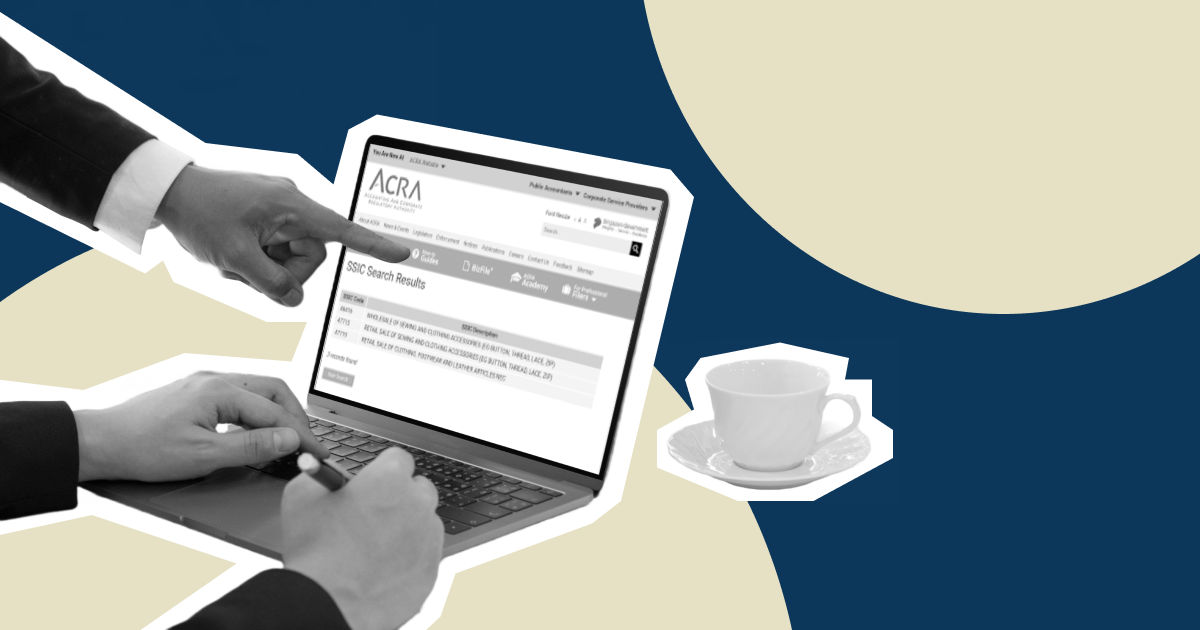
Visit the provider's website and search using your company/business name, ABN, or ACN where supported. This helps the provider locate your business file.
Step 3: Obtain the relevant commercial report
Follow the provider’s process to access or purchase your commercial report. Check current pricing with each provider, as the cost varies, and commercial reports can be paid for products.
Step 4: Check your report for:
- Risk score or risk band
- Defaults and adverse events
- Court actions or external administration
- Commercial credit inquiries
- Trade-payment data (where applicable)
- ASIC or company information
Knowing what’s on your file will help you identify any wrong information and understand what lenders are seeing.
Step 5: Correct inaccurate business information
If you spot errors (incorrect defaults, duplicate entries, or outdated company details), contact the relevant provider with supporting evidence and follow their correction process. The exact timeline for corrections varies by provider.
Accessing free business credit reports
Free business credit reports are not available on the same statutory basis as free consumer credit reports. Australians have a legal right to access a consumer credit report free every three months, but commercial business credit reports operate under different rules.
Some providers may offer trials or limited preview information, but commercial reports are generally paid-for products. Check your current provider pricing before ordering; costs vary but are generally around AUD $50 to 150+ per report depending on the provider and report type.
Why one commercial report does not give a complete view
Different commercial credit providers use different datasets and risk-assessment models. Your score with one provider may be quite different from the other because they are measuring different data pools. Equifax, Experian, and CreditorWatch all have separate commercial databases, and lenders may check the provider that matters most to their lending decisions.
As you may not always know which provider or bureau a lender will check, reviewing your commercial credit file with more than one provider can give you an idea of what lenders may be seeing. This can be particularly useful prior to applying for significant finance, as it gives you an idea of possible problems across different credit views.
A hypothetical example
To illustrate how credit file issues can affect you:
A small business owner discovers that their commercial credit file is showing a default listing that they’ve actually paid off. The entry wasn’t updated after payment, so the old default is still showing on their report. The owner contacts the credit provider with proof of payment and follows their correction process. The wrong default is deleted from the file.
Separately, the owner avoids applying for several credit products in a short space of time (because application patterns can indicate risk to lenders). Instead, they focus on regular on-time payment with existing suppliers and one business credit card used carefully. Over time, as the current payment behavior builds up, the impact of any remaining negative records reduces. Better data on the file, plus visible payment discipline, contributes to building a better credit position.
In short, the amount and speed of your score improvement, and the exact interest rates or terms you’ll receive, will depend on many factors lenders consider: your revenue, cash flow, industry, trading history, security offered, the specific product, and their own risk model. We can’t predict exact score changes or lending outcomes for any individual business.
Sole Trader vs. Pty Ltd: Different credit strategies
Your business structure shapes how lenders assess your credit. Here's how sole traders and Pty Ltd companies differ:
[Table:2]
For a detailed comparison of sole trader and company structures, including tax, liability, and compliance implications, see Sole trader vs. company in Australia.
The core principle: Neither structure guarantees faster credit access or independence from personal credit assessment. Lender criteria, your trading history, cash flow, and the specific product determine your eligibility and terms, regardless of your business structure.
Quick-start credit-building roadmap
Building business credit is an ongoing process, not a fixed timeline. The steps below focus on what you can control: your actions and behavior. Lenders assess many factors beyond your credit score, so your progress depends on your specific situation, lender criteria, and the credit products available to you.
Stage 1: Audit
Start by understanding your current position:
- Obtain your commercial credit report: Contact at least one bureau (Equifax, Experian/illion, or CreditorWatch) and request your business credit report
- Verify your company details: Ensure your ABN, company name, directors, and registered address are correct
- Identify adverse entries: Look for late payments, defaults, court judgments, or other negative records
- Review your current obligations: List all active credit accounts, supplier payment terms, and any overdue amounts
Stage 2: Stabilize
Once you understand your starting position, focus on stable, responsible behavior:
- Pay obligations when due: Set payment reminders for supplier invoices, credit accounts, and other bills
- Resolve legitimate arrears: Address any overdue amounts; contact creditors to arrange payment plans if needed
- Correct errors: If you find incorrect information on your report, dispute it with the bureau and the creditor
- Avoid unnecessary applications: Each credit application creates an inquiry; only apply when you genuinely need credit
Stage 3: Monitor
Maintain your progress and stay informed:
- Review periodically: Check your credit file at least annually to catch errors or changes early
- Keep records current: Update your company details if your address, directors, or business structure changes
- Check before applying for material credit: Review your file shortly before you plan to apply for significant credit so you have time to resolve any issues
Important: Your credit score is one factor lenders consider. They also consider your cash flow, trading history, revenue, debt levels, the specific product you are applying for, and your ability to pay it back. Building a healthy credit profile is not a set timeline but requires constant attention.
ATO compliance: Why tax debt hurts your credit
The ATO can report business tax debts to credit bureaus if specific criteria are met. This isn't theoretical; it happens regularly and severely damages your business credit score. Learn more about ATO disclosure of business tax debts.
The ATO may disclose a business tax debt if:
- Your business has an ABN (applies to sole traders, companies, trusts, partnerships)
- At least AUD $100,000 is overdue by more than 90 days (cumulative across income tax, GST, PAYG, FBT, superannuation)
- The business is not actively engaging with the ATO to manage the debt
- There is no active complaint with the Inspector-General of Taxation and Client Ombudsman (IGTO) about the intended disclosure
If these conditions are met, the ATO will send you a formal 28-day notice of intent to disclose. After 28 days, if you haven't engaged, the ATO may report to registered credit reporting bureaus.
What disclosure means:
When the ATO reports your debt, it becomes part of your commercial credit information held by credit reporting bureaus. A disclosed tax debt can be a material adverse risk signal for lenders and suppliers assessing your creditworthiness.
This can affect your ability to access mainstream credit and trade terms, depending on the lender or supplier's assessment and other factors.
Critical point: If you're actively managing the debt, the ATO will NOT disclose it, even if AUD $100,000+ and overdue.
Engagement includes:
- Setting up and maintaining a payment arrangement (payment plan)
- Regular communication with the ATO
- Filing your tax returns on time even while managing a debt
- Demonstrating good-faith effort to resolve it
Non-engagement includes:
- Ignoring the ATO's letters
- Making no contact with them
- Missing payments under an agreed arrangement
- Not responding to the 28-day notice
If you receive a 28-day notice:
Time is critical. You have 28 days.
- Contact the ATO within 7 days: don't ignore the notice
- Explain your situation: cash flow pressure, dispute about the amount, anything relevant
- Propose a solution:
- Pay the full amount if possible
- Set up a payment arrangement (payment plan)
- Request a debt relief hardship assessment if you're genuinely struggling
- Get it in writing: Once you've set up a payment arrangement, the ATO will acknowledge it in writing. Keep this letter. It's your proof that you're engaged and actively managing the debt. If disclosure was threatened, this engagement stops it.
Key point: The ATO actively encourages engagement over enforcement. If you proactively contact them early and propose a realistic path forward, acceptance depends on the ATO's assessment of your circumstances and your ability to meet the proposed arrangement.
Seven practical ways to strengthen your business credit profile
Move 1: Pay every invoice on time
Consistent on-time payment behavior is an important commercial credit signal, particularly where trade-payment data is reported. Set up calendar reminders or payment alerts for all supplier invoices and credit obligations. Mark due dates 3–5 days before they're due to give yourself a buffer.
With Aspire’s business account, you get real-time visibility into cash, so you can see payment due dates and plan cash flow ahead of those dates. That visibility removes the friction that causes late payments.
Action: Set up payment reminders this week for your top 10 supplier invoices and any credit obligations. Prioritise on-time payment as non-negotiable.
Move 2: Review your commercial credit report
Errors do occur on credit files. Checking periodically helps you catch inaccurate information early and dispute it before it affects credit decisions. Your check frequency will depend on your provider’s access options and pricing and the extent to which your business is active with credit.
Best times to check:
- Prior to major finance applications
- Prior to entering into significant supplier arrangements
- Post material business events
If you find inaccurate information, contact the provider directly with supporting evidence to understand their correction process and timeline.
Action: Check your commercial credit report prior to your next major financial decision. Review for accuracy in company details, payment records, defaults, and inquiries.
Move 3: Manage your revolving credit limits
How you use revolving credit facilities (credit cards, lines of credit) signals your liquidity position to lenders. Avoid consistently operating close to the limit on these facilities, as such behavior can signal liquidity pressure or financial stress.
Different lenders assess utilization differently as part of their credit risk model. There's no universal threshold that applies to all bureaus or lenders, but keeping revolving balances well below your available limit is generally a stronger position than running close to the maximum.
Action: Check your current balances across all revolving credit accounts. If you're consistently using high percentages of available credit, consider requesting higher limits or paying down existing balances.
Move 4: Establish consistent trade relationships
Supplier payment history can contribute to your commercial credit profile when the supplier or a third-party data provider reports that payment behavior to commercial bureaus. However, not all suppliers report payment data, so ask which vendors share payment information with commercial credit bureaus if building trade history is part of your strategy.
Using a business credit card occasionally to establish payment history with credit bureaus helps build your credit profile. Also request 30-day payment terms from key suppliers and pay reliably.
If you're a new business paying everything in cash, you're not building a credit record—you're just paying bills. Credit bureaus need evidence of responsible credit use.
Action: Call your top 3 suppliers and ask whether they report payment behavior to commercial credit bureaus. Prioritise on-time payments with them.
Move 5: Separate business and personal finances
For sole traders especially, lenders assess personal credit alongside business credit. Make sure you use a dedicated business bank account and separate credit cards to keep your bookkeeping on track, and make it easier for lenders to see your business cash flow when you apply for credit.
Opening a dedicated business account removes ambiguity in your financial records and makes it clearer to lenders that you're running your business professionally.
Action: If you’re using personal accounts for business transactions, open a dedicated business account this month.
Move 6: Keep your business registration information current
If you operate through a company, ensure your ASIC details are accurate and up to date: registered office address, director names, and any changes to business structure. Commercial credit reports can include ASIC company information, so outdated registration details can create confusion on your credit file.
For sole traders, your ABN and business name should be current and accurate with relevant registers. Lenders use registration information to verify your business identity and assess it as a separate entity from your personal finances.
Action: Verify your business registration details with ASIC (if a company) or your relevant business register. Update any information that's changed.
Move 7: Build cash flow visibility
Consistent payment behavior is the foundation of a strong business credit profile. But consistent payment behavior depends on being able to see your cash position and plan ahead.
If you can see your cash position in real time—when money comes in, when it goes out, what's committed, what's available—you can make confident payment decisions before deadlines arrive. That visibility removes the friction that causes late payments.
Many entrepreneurs leverage cash flow management to improve their credit position more than any one credit strategy. Better visibility lets you forecast cash flow shortfalls, plan payment priorities, and avoid stress that causes missed obligations.
Action: Review your cash flow weekly for the next month. Identify any payment bottlenecks. Build visibility of your cash position so you can make payment decisions with confidence.
Common business credit misconceptions
Misconception 1: "My personal credit doesn't matter for business credit"
Reality: For sole traders, personal credit can impact business credit assessment, as lenders often check both But the importance lenders place on personal credit does vary. A business with a good payment history may still face approval challenges if the director has personal credit issues, but it comes down to lender requirements.
Correction: If you're a sole trader, you need to look at personal and business credit. You might want to fix personal credit issues (late payments, high credit utilization, defaults) before they impact business credit opportunities. If you're a Pty Ltd, personal credit may be relevant in the beginning (lenders will sometimes want guaranties from the directors), but lender practices differ in the way that personal credit affects business credit decisions over time.
Misconception 2: "Paying off a late payment immediately will fix my score"
Reality: Paying a late payment doesn’t remove it from your file. It stops new late payments from being added, but the old one still shows on your record. How long it’s visible and how much it affects you depends on the bureau, the type of record, and their practices.
Correction: Don’t let one late payment get you down. Work on getting into a good habit of paying on time from now on. Your score will recover over time as newer positive history builds up and the impact of the old late payment fades away. Ask your credit bureau how they treat late payment records and their retention policy.
Misconception 3: "New businesses can't build credit for the first year"
Reality: Eligibility for business credit is contingent upon the lender and the product. Some lenders will support younger businesses, while others will want to see longer trading histories. The speed at which you can access credit depends entirely on the criteria of the individual lender.
Correction: Speak to lenders about their specific requirements. Many can approve credit within your first year of trading, particularly if you’ve demonstrated regular business activity and cash flow. When you do get approval, even at lower limits, use it responsibly to build your credit history. Building credit relationships early on helps you establish a longer credit history.
Misconception 4: "If my score drops, I should apply for more credit to rebuild it"
Reality: Multiple credit applications in a short amount of time can result in multiple hard inquiries, and these can negatively affect your creditworthiness assessment. Don’t apply for more credit. Fix the root cause first.
Correction: When your score drops, find the cause (late payments, high utilization, defaults). Fix the root cause directly, then give it time to be reflected in your credit file. If you do need to apply for credit, do so strategically, and only after you’ve corrected the underlying issues. Find out why you were declined before making another application.
Real-world impact of strong business credit
A stronger commercial risk profile can contribute to better credit decisions and more favorable supplier relationships. However, actual interest rates, credit limits, and supplier terms depend on each lender's or supplier's own policy, your business cash flow, and their broader risk assessment.
Interest rates and loan terms
A stronger credit profile can help you qualify for better rates, but the actual rate you receive depends on the lender's underwriting, your current cash flow, the loan amount, term, and collateral. Two lenders may quote different rates for the same business based on their own risk models and criteria. A strong credit profile is one factor among many.
Supplier relationships and working capital
A stronger credit profile can contribute to more favorable payment terms from suppliers. Suppliers do consider credit risk when deciding what terms to offer. However, the actual terms depend on the supplier's credit policy, their relationship with you, order size, and their own risk appetite.
Business credibility
Your business credit score can signal financial discipline to partners and investors. When you're negotiating a partnership, seeking investment, or proving stability to a major client, a credit file can be part of how they assess your reliability. A strong credit history demonstrates that you've managed financial obligations; a weak history raises questions.
Partners and investors assess creditworthiness using multiple factors—credit file, financial statements, cash flow, industry experience, and more. Credit history is one signal among many.
Building strong business credit is building a strong foundation
The founders who build credit intentionally gain strategic advantage: they know their position, time capital raises strategically, and negotiate better supplier terms from strength. The founders who wait until they need credit are always reactive. Strong business credit starts now.
Start with the moves outlined above, maintain consistent on-time payment behavior, and review your file before major financial decisions. That's how you build from a position.
Supporting your business credit foundation
Aspire's business account gives you real-time visibility of your cash position. You see exactly what money is coming in, what's committed to go out, and what's available. This clarity lets you make confident payment decisions before deadlines arrive.
Aspire1 does not create or guarantee a stronger business credit score. Its role is operational: real-time visibility of your business finances, separation of business from personal cash flow, and integration with accounting tools make it easier to understand your cash position and meet your payment obligations on time.
How this supports the foundation moves:
Move 1 (pay on time) becomes easier when you see payment dates coming 3–5 days in advance instead of scrambling on due dates.
Move 4 (establish trade relationships) requires managing multiple payment obligations simultaneously; visibility shows which suppliers to prioritize when cash is tight.
Move 3 (keep utilization below 30%) requires tracking credit balances and available cash; a single dashboard removes the need to check multiple accounts.
For sole traders especially, separating business and personal cash flow visibility (Move 5) matters because lenders assess your business metrics separately. When you have clear, separate tracking of business finances, it becomes easier to demonstrate your actual business performance to lenders when you apply for credit.
The reason most founders miss payment deadlines is not irresponsibility, but blindness. When you can't see your cash position in real time, deadlines surprise you. Better visibility removes that friction. When combined with the moves outlined above—on-time payment, monitoring your file, managing utilization, and building trade relationships—this visibility becomes the operational foundation that makes consistent credit-building behavior possible.
Next steps
- This week: Identify which commercial credit report or provider is most relevant to the lenders and suppliers you work with. Different bureaus may be more or less important depending on your industry and credit relationships.
- Then: Obtain your current report from that provider and review:
- Company details (ensure all information is current and accurate)
- Defaults and adverse events (check for errors or outdated information)
- Credit inquiries (see who has accessed your file)
- Any other records that might affect lending decisions
- Correct: If you find genuinely inaccurate information, dispute it with the relevant provider using their process. Provide supporting evidence and follow up on their correction timeline.
- Going forward:
- Keep your payment and tax obligations current—this is the foundation of credit building
- Review your commercial credit file before material finance applications (significant loans, supplier arrangements, major business changes)
- Monitor periodically to catch errors early and understand what lenders see
Your business credit file is a reflection of your financial behavior. Start by seeing what's there now.
Frequently asked questions (FAQs)
How often should I check my business credit score?
A: There is no mandatory frequency. Periodically review your commercial credit information and before important business events, such as before you apply for significant credit, enter into major supplier arrangements or after a material business event. The right time to post depends on the business.
Some founders monitor quarterly; others check before specific financial decisions. Rather than assuming a standard schedule, check current access options and pricing with the relevant commercial bureau (Equifax, Experian, or Illion).
Can I check someone else's business credit score without permission?
A: Commercial business reports are often available without the same consent rules that apply to consumer credit reports. Suppliers, lenders, and partners can and do check a business's credit standing before deciding whether to extend credit.
However, access to personal or consumer-credit information about directors is separately regulated. If a commercial report includes personal information about directors or consumers, consumer-credit consent rules may apply to that part of the information.
The Office of the Australian Information Commissioner (OAIC) distinguishes between commercial and consumer credit information. If you're accessing reports on a business, understand that some reports may contain both commercial data (which may not require consent) and personal consumer-credit data (which has separate consent requirements).
What if I find an error on my business credit report?
A: Contact the commercial report provider (Equifax, Experian, or Illion) immediately with supporting evidence and follow their correction or dispute process. You'll need to provide documentation such as emails, payment confirmations, or receipts to support your claim.
Each provider has its process and timeline for investigating and correcting disputed information. Ask the provider directly how long their process typically takes and what steps they need from you.
If the error involves personal information about you or your directors, Australian Privacy Principle obligations may also apply, and the provider should take reasonable steps to ensure the information is accurate and correct it when needed.
How long does a default stay on my file?
A: How long negative information stays on your commercial credit file depends on the type of record and the provider of your credit report. Each provider has different policies on how long they keep defaults, court judgments, and other negative information.
Rather than relying on general timelines, check directly with your credit report provider (Equifax, Experian, or Illion) about their specific retention and correction policy for the entry you're concerned about. They can tell you:
- How long this specific type of record remains on your file
- What actions might help address it
- Their process for disputing inaccurate entries
The impact of negative information on your creditworthiness can fade over time as you build newer, clean payment history, but the timeline and exact retention rules vary by provider.
Will my ABN affect my business credit score?
A: Your ABN helps identify your business in commercial databases, but it does not create a strong credit score. The score comes from your financial behavior (payment history, credit use, defaults, and inquiries), not from the ABN itself.
Commercial credit reports combine information from multiple sources: ABR/ASIC data (for business identification), payment history, credit inquiries, defaults, and public records. For example, Equifax reports use ABN/ACN and ASIC information to identify companies, alongside the other financial data that actually determines your score.
In other words, your ABN is the identifier; the score is determined by what you do with credit.
How do I differentiate a hard inquiry from a soft credit inquiry?
A: For commercial/business credit: When you formally apply for finance, a commercial credit inquiry may be recorded on your business file. Checking your commercial credit report is not itself an application for new credit, but how that access appears on your file varies by provider (Equifax, Experian, Illion).
Key point: Not all credit bureaus distinguish between "hard" and "soft" inquiries in the commercial space the same way consumer bureaus do. The mechanisms differ. When you pull your own business credit file or a lender does a preliminary review, the recording and impact vary by bureau and how they classify that activity.
Best practice: Periodically review your business credit report to verify your file is accurate. Contact your credit provider directly to understand how they record different types of inquiries on commercial files.
Do multiple hard inquiries suggest financial stress?
If you’re submitting a lot of commercial-credit applications in a short amount of time, it can signal to lenders and credit bureaus that you may be at a higher risk. They’ll consider your situation along with other risk factors when determining your creditworthiness.
Instead of multiple applications in a short span of time, think about:
- Avoid unnecessary applications: Only apply for credit you really need
- Look into a decline before reapplying: Find out why you were declined before seeking another lender
- Allow proper spacing between applications: Give yourself time to address any underlying issues before submitting another formal application
If you’ve been denied credit, your best course of action is to determine the reason (payment history, cash flow concerns, utilization rates, etc.) and fix the problem, rather than reapplying elsewhere right away.
Do I really need business credit if I'm bootstrapping and self-funded?
A: Not necessarily. If you don't need borrowed funds or supplier credit, there's no reason to take credit just to improve your score. The foundation is not about credit; it is about developing financial strength.
Focus on the key areas:
- Maintain accurate business records, including invoices, receipts, and statements.
- Meet all financial obligations on time (suppliers, taxes, employees).
- Create a track record of fiscal responsibility.
- Maintain clarity between personal and business finances (dedicated account).
If you require credit in the future, whether for expansion, emergency cash flow, longer supplier terms, or capital investment, lenders will consider your entire profile. A founder with 18 months of clean financial history, accurate records, and no tax issues has a stronger credit case than one who has only used a credit card for 6 months to build a score.
Bottom line: First and foremost, practice good financial discipline. Credit comes naturally when you need it and lenders see you're a good risk to repay.
I've already hurt my credit score with late payments and defaults. Can I recover?
A: Yes, but there are no guarantees on timing. The speed at which your score can improve depends on the credit bureau model and what new information gets reported.
Look at these steps of recovery:
- Correct errors on your report: Dispute any errors on your file; bureaus can correct mistakes within 30–90 days
- Pay legitimate arrears: Pay outstanding amounts if you can, or arrange a payment plan
- Avoid Unnecessary New Applications: Multiple hard inquiries signal financial stress and further harm your score
- Maintain good payment behavior: Good, on-time payments are the basis for recovery
They don’t immediately erase the impact of late payments and defaults, but newer positive payment history does eventually outweigh older negative marks. It usually takes longer to recover from than to build in the first place, but founders do get their credit scores back by paying on time consistently over the long term. The key is to start today.







.jpeg)





















.jpeg)


.jpeg)
.jpeg)