

What is a business line of credit?
A business line of credit is a revolving credit facility. Just like a credit card, you can draw, repay and reuse the available credit up to the approved limit. However, the funds here are typically accessed as cash rather than card purchases. It is different from traditional term loans, as you pay interest only on the amount you withdraw from the line of credit, and not on the unused limit.
For example, if you are approved for a line of credit of AUD $50,000, but you use only AUD $20,000 from it, the interest is chargeable only on the AUD $20,000 used. While interest is chargeable only on the drawn balance, separate facility or line fees may still apply to the total limit.
You can continue to redraw the repaid amounts while the line of credit facility remains open, and you stay within its terms. Also, you must prioritise keeping your expenses within the limit, and make repayments on time to continue using the line of credit. You have the flexibility of using the money for all your operational aspects, including inventory, repair, marketing and others.
Types of business lines of credit in Australia
There are basically two types of business line of credit options: secured and unsecured. The secured lines of credit are backed by pledged assets, which may include property, equipment or your other business assets, depending on the lender.
An unsecured line of credit does not require a specified asset as collateral, but the approval may still depend on your business cash flow, credit checks, trading history and personal guarantees.
Fees and interest rates
The business line of credit interest rates may vary from one lender to another, and the claimed figures can be misleading if you don’t check them against your specific requirements.
As of August 2026, Australian business line of credit interest rates generally start from around 14% p.a., though the rates ultimately depend on factors such as:
- Whether the credit is secured or unsecured
- The type of asset used as security
Some of the providers often advertise notably lower starting interest rates for secured line of credit facilities. For comparison, a broker’s data shows secured lines of credit starting from around 7.99%, whereas unsecured facilities start from around 9.95%. This illustrates the wide gap in interest rates, depending on whether collateral is offered or your risk profile.
These figures represent starting interest rates for well-qualified borrowers at a particular point in time. However, the actual rates may change and depend heavily on the individual circumstances. So, when you come across any published interest rate range, consider it as a general market observation and not the rate you’re guaranteed to receive.
Beyond the interest rate, the total cost you bear on a line of credit facility includes several other components such as:
- Application or establishment fee, which is a one-time cost for setting up the line of credit facility
- Line of facility fee, charged often for keeping the facility open and is sometimes calculated as a specific percentage of your total approved limit. This fee is payable, irrespective of whether you draw funds out of it or not
- Annual or monthly account fee, which is an ongoing cost for maintaining your account
- Late payment, excess-drawing or defaulting charges
- There may be some other lender-specific charges that will vary by provider
Remember not to choose a line of credit facility, solely based on the headline interest rate. For instance, if you expect to draw only a small portion of a large approved limit, look for options with a lower facility fee that will matter as much as the interest rate. This is because the facility fee is payable regardless of how much you use from the line of credit limit.
Credit limits
Credit limits may vary widely depending on the lender and borrower profile. It may range from a few thousand dollars for small working capital facilities to six- or seven-figure limits for established enterprises. Some of the current products also extend up to AUD $2,000,000, depending on the provider.
Lenders set your limit based on certain factors such as your revenue, trading history, securities offered, creditworthiness and existing debts. Some lenders also allow limit increases over time, post reassessment of your financial position in the business.
Business loan vs line of credit Australia
[Table:1]
What are the requirements to apply for a business line of credit in Australia?
The requirements vary based on lender, facility size and whether the line of credit is secured or unsecured. Lenders commonly assess business registration, identity, trading history, bank statements, cash flow and creditworthiness. For larger or complex line of credit applications, lenders may also require full financial statements, followed by tax returns.
Some of the documents commonly requested are:
- Proof of identity
- ABN or ACN and GST registration details where required by the lender
- Tax returns, often required for larger or complex line of credit facilities
- Trust deed, if applicable
- Bank statements: To review recent business activities
- Balance sheet: To check the list of current assets and liabilities
- Income statements: To review the expense and revenue records
Qualification criteria
- Active Australian business registration with a valid ABN
- Minimum trading history of 6 months to several years, depending on the facility size and lender
- Minimum revenue or monthly turnover set by the lenders, used for gauging if your business generated enough consistent income
- Sufficient cash flow for servicing repayments, demonstrating your ability to meet the obligations under the line of credit facility
- Business and/or director’s credit profile, as lenders may assess your business credit history, and in some cases check the personal credit of guarantors or directors
- Security or a guarantee, where required by the lender. It is particularly asked for larger line of credit facilities
- Your industry and business purpose must be eligible, as some lenders exclude certain high-risk industries and restrict how the funds can be used
How to apply for a business line of credit in Australia?
- Research lenders
Compare the banks, online lenders or financial institutions offering business lines of credit in Australia, rather than focusing on the rate alone. The key criteria to compare include:
- Rate charged on the amount you withdraw
- Ongoing cost of keeping the line of credit open. Sometimes it is charged regardless of usage
- One-time cost for setting up the facility
- Maximum credit limit available to you
- Determine if collateral is required, and how it affects your interest rate
- Look out for any required minimum repayment amounts or frequency in the agreement
- Look for the tenure of the facility before the lender renews or reassesses it
- Review if you can repay the drawn amount early without penalty and redraw the funds as required
- Requirement of personal guarantee by owners or directors
- Higher interest rate or penalty that may apply if you miss a repayment
- Determine how soon you can access funds from the line of credit, once approved
- Gather the required documents
Prepare your financial statements, bank statements and business registration details. Keeping these documents handy will speed up the initial assessment process.
- Submit the application
Whether online or in-person, fill the lender’s form with all the crucial business details as asked.
- Review the credit offer
Upon approval, check the credit limit, fees, interest rate and repayment terms carefully before you accept the offer. Also, compare the total cost under your expected utilisation, not just the headline interest rate. This is because the ongoing fees can matter as much as the interest rate, depending on how much of the limit you plan to use.
Risks of over-using business line of credit
A business line of credit is most useful when it bridges your temporary timing gap, such as covering the wages, purchasing stock, managing recurring operating expenses or paying suppliers while you wait on the incoming revenue, and have a credible source of repayment. However, it becomes risky when the due balance stays permanently high because your underlying operations have a structurally negative cash flow, and not just timing-constrained.
Here are some warning signs that indicate over-use of a business line of credit:
- Regularly exhausting the entire credit limit, and struggling to pay the balance
- Paying only the interest for several months without reducing the principal amount
- Using line of credit to cover operating expenses like utilities, or rent, and no clear path to repay the used balance
- Relying on borrowing more funds because the operating cash flow alone cannot help you meet your obligations
- Constantly requesting due date extensions from the lender
Smart use cases of a business line of credit
With awareness of the risks, here are some smart ways you can use your business line of credit to scale and support your growth pace:
- Cover the seasonal payroll gaps and overheads when the business functions are slower
- Overcome the hurdles caused by delayed client payments
- Make bulk purchases and stock up your inventory if your supplier offers a discount on it
- Handle unexpected repairs or short-term operating costs when you have clear visibility into when the revenue will arrive to cover those expenses
Pros and cons of getting a business line of credit
[Table:2]
Managing business spend without using a line of credit
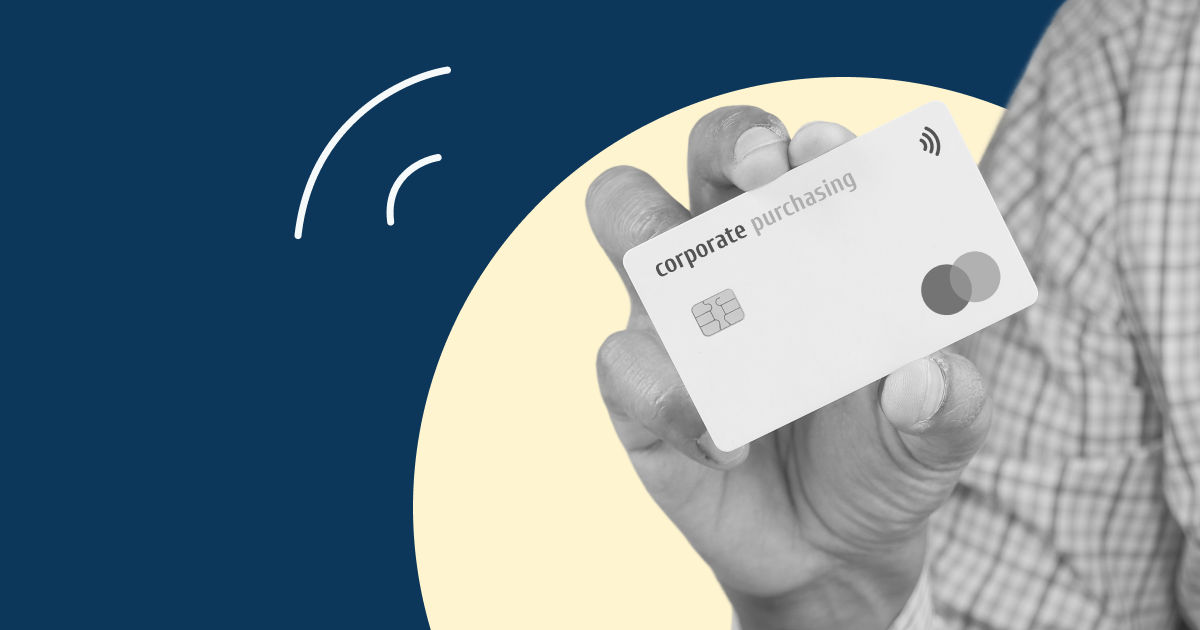
A corporate card is not the same product as a business line of credit, and doesn’t meet your general-purpose cash funding requirements. If your need is to borrow cash for payroll, working capital or inventory, a line of credit or other financial facility may seem more appropriate.
However, if the need is specifically around controlled card spending on software subscriptions, travel or supplier purchases accepting VISA, a corporate card may help you manage those expenses without the need for a separate cash-credit solution.
Issue unlimited physical and virtual cards, set real-time spend limits on them, and block unwanted spending categories with Aspire corporate cards. These cards sync automatically to QuickBooks and Xero for smooth reconciliation, and every eligible FX transaction also earns 1% unlimited cashback. That’s an additional saving you can put back directly into your working capital.
This may suit businesses seeking stronger control over eligible card-based operational spends, rather than founders looking to borrow cash.
Explore Aspire’s corporate card
FAQs
Is a business line of credit a cheaper option than a business loan?
Neither is always cheaper. With a line of credit, interest is chargeable only on the amount withdrawn, but it may also carry additional charges such as facility fees. A business loan, on the other hand, has a defined repayment schedule and interest on the outstanding balance.
You must compare total cost based on the amount you expect to borrow, the duration you intend to hold the balance and all the applicable fees. Do not just rely on the headline rates of either product.
What will happen if I withdraw the full limit of a line of credit, and can’t repay?
The outcomes depend on the specific line of credit agreement, but the lender has the power to suspend further withdrawals, charge late fees or interest and also take recovery action under the contract terms. If a personal guarantee or security applies to the facility, those arrangements will be put into action at this stage.
What happens if I don’t use my line of credit at all?
You aren’t charged interest on unused funds, but you may still have to pay monthly or annual fees for keeping the account open. Check your agreement for a clear elaboration of applicable fees on your line of credit even when you aren’t using it.
How does a line of credit help your business credit score?
A lender may conduct business or personal credit checks while assessing your line of credit application. The way it is reported will vary depending on the lender and credit-reporting arrangement. You can always review the credit enquiry and reporting terms of the lender before applying for a line of credit with them. This way, you will understand what appears on your credit file and how the repayment behaviour may be reported in the future.
What is the minimum turnover requirement for a business line of credit?
There’s no single Australian minimum. All lenders set their own turnover and trading history criteria, and that varies depending on the size of the line of credit facility.
For instance, Prospa’s Business Line of Credit currently requires a monthly turnover of around AUD $6,000, with time-in-business requirements ranging from 6 months for smaller limits to several years for larger limits. Similarly, other lenders have different thresholds. So, instead of just trusting the market-wide minimum thresholds, it is best to check the specific requirements of any lender before applying for a line of credit facility with them.






.jpeg)

























.jpeg)



.jpeg)

.jpeg)