


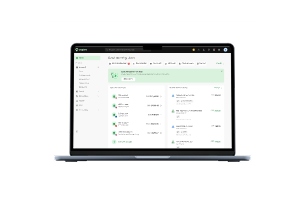
What is an e-invoice
E-invoicing refers to the electronic exchange of structured invoice data between compatible accounting or ERP systems, using the Peppol network, instead of sending invoices as PDF attachments via email. Unlike a PDF, an e-invoice is machine-readable, enabling finance systems to consistently check and process invoice information and reduce manual handling.
What is e-invoicing in Australia
Peppol Australia uses the Peppol network for e-invoicing, with the Australian Taxation Office (ATO) acting as the country's Peppol Authority. Instead of emailing PDF invoices, businesses exchange structured invoice data through certified Peppol Access Point providers, allowing compatible accounting or ERP systems to send and receive invoices in a consistent format.
When should you switch to e-invoicing
Many startups don’t need Peppol from day one. If you have a limited volume of bills, PDF invoices are sufficient. Companies often start looking at e-invoicing when manual processing starts to delay finance operations, clients ask for Peppol invoices, or invoice procedures are difficult to manage across different accounting systems.
Common signs it may be time to evaluate Peppol include:
- Your finance team is manually processing invoices for hours.
- When a corporate customer or government agency wants a Peppol invoice.
- Invoice processing slowed down due to manual invoice processing and approval operations.
- You exchange invoices with other accounting or ERP systems.
- Your supplier network is growing, leading to complexity in invoice processing.
How does the Peppol network work?
In Peppol Australia, businesses use accounting or ERP systems to exchange e-invoices safely without relying on emailed PDFs. You don’t need to manually download, review, and enter invoice details. Instead, the invoice data is captured from the compatible finance system, which makes the invoice processing more consistent as the business grows.
It works like this:
- The supplier prepares an invoice in its accounting or ERP software.
- The software converts the invoice information into a compliant PINT A-NZ Billing invoice. PINT A-NZ is the Australia and New Zealand implementation of the Peppol International (PINT) Billing specification. It defines the structure, data elements, codes, and business rules used to represent an e-invoice, with the invoice based on the UBL 2.1 Invoice schema.
- The supplier's software sends the e-invoice through its accredited Peppol Service Provider, which provides the connection to the Peppol network.
- The Peppol network routes the invoice to the recipient's Peppol Service Provider. The recipient's compatible accounting or ERP system can then receive, validate, and process the structured invoice data. Businesses, therefore, do not need to use the same accounting software to exchange e-invoices.
Peppol uses a secure 4-corner model where the sender and receiver connect via their own approved Access Point providers. It enables businesses to share invoices without the necessity of having the same accounting platform.
Under the Australian Peppol framework, the Australian Taxation Office (ATO) acts as the Peppol Authority and oversees the local framework. It oversees the local Peppol framework and accredits Access Point providers, but does not receive or keep the invoices that businesses exchange via the network.
How founders find customers and suppliers on Peppol
Once your business is connected to Peppol, you can check whether your customers and suppliers are already registered to receive e-invoices through the network. The Peppol Directory acts as a public directory of participating businesses and their e-invoicing capabilities. You can search by company name, Peppol endpoint ID, country, and document the capability to identify businesses that can receive specific types of Peppol documents.
Here is how you can find it:
- Search for your trading partner: Look up the customer or supplier in the Peppol Directory using its company name or available identifier.
- Check its e-invoicing capability: Review whether the business is listed as able to receive the type of Peppol document you need to send, such as an eInvoice.
- Confirm if you cannot find them: Not every registered Peppol receiver appears in the public Directory because listing is not mandatory. If a customer or supplier is not listed, ask whether their accounting software or e-invoicing provider supports Peppol.
- Let your software handle the connection: Your e-invoicing-ready software or Peppol Service Provider handles the technical exchange. You do not need to establish a separate connection with each customer or supplier. The ATO's e-invoicing Ready product register lists products that can connect businesses to the Peppol network.
You can start with the customers and suppliers that are already connected to Peppol instead of waiting for your entire trading network to adopt eInvoicing. You can then expand your use of Peppol as more trading partners become connected.
E-invoicing and digital invoices: What’s the difference?
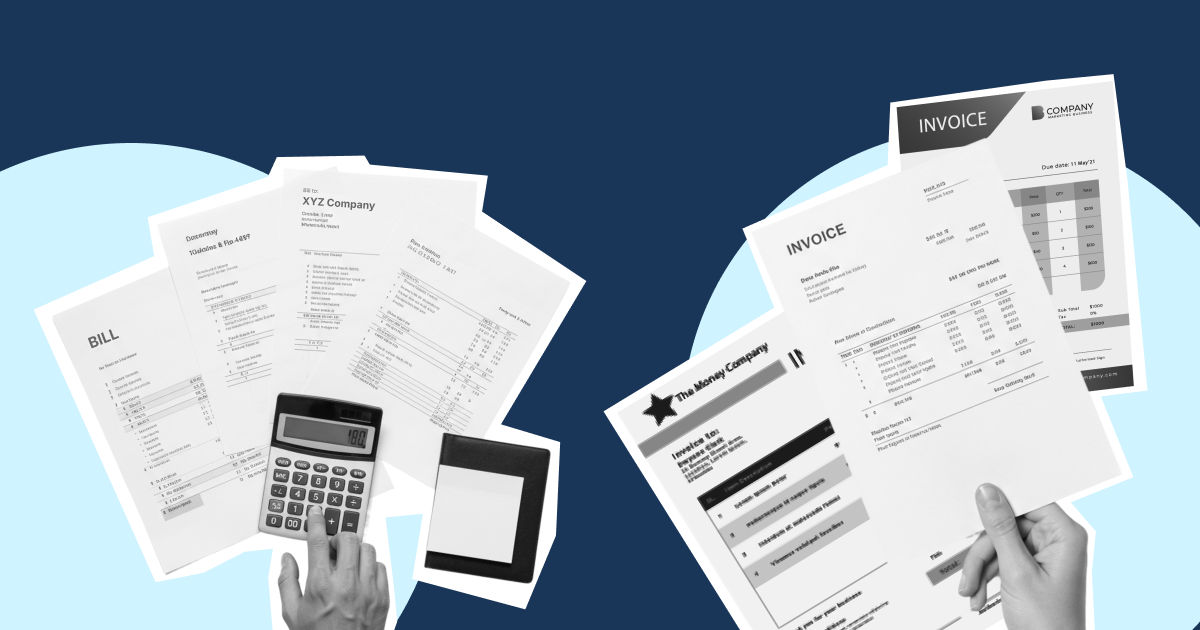
A digital invoice is any invoice that is prepared, issued, and received in a digital form, usually as a PDF file attached to an email. Although it replaces paper, invoice processing still requires finance teams to evaluate the invoice, validate the contents, or manually enter the information into their accounting system before it can be processed.
An e-invoice goes one step further. Instead of transmitting a PDF, it transfers structured invoice data directly between compatible accounting or ERP systems over the Peppol network. In Australia, this data is sent using the PINT A-NZ format, which means compatible software can recognise details such as supplier details, ABN, GST, invoice numbers, payment terms, and line items without having to enter the data manually.
[Table:1]
Benefits of e-invoicing adoption
Businesses start using e-invoicing when manual invoice processing no longer scales. As the number of invoices grows, Peppol helps to standardise invoice exchange, eliminating human handling and keeping finance procedures consistent.
Cut down on manual invoice processing
When suppliers provide invoices in multiple formats, finance teams have to verify every invoice before it can be processed. Peppol allows structured invoice data to be transmitted over the Peppol network, so that compatible accounting systems can check and import invoice information in a more consistent way, minimising manual data entry and repetitive invoice handling.
Standardise supplier invoice data
As your supplier network expands, keeping your invoice records consistent is harder. One supplier might send you a PDF by email, and another might utilise different accounting software. Peppol e-invoicing is a standardised method for sharing invoice data, which helps compatible systems to read information such as supplier details, GST, invoice numbers, payment terms, and line items in a more uniform manner.
Move invoice workflows forward
Invoice delays start far before payment is due. PDF invoices can linger in inboxes waiting to be downloaded, reviewed, authorised, or inserted into accounting software. E-invoicing removes this manual process, which delivers structured invoice data straight into compatible systems. The timeliness of payment is still subject to your approval workflow and the payment arrangements you have agreed to.
Better record keeping
When invoices come through a standardised digital procedure, they’re easier to organise and pull up than invoices dispersed throughout email inboxes. Structured e-invoices also help with financial reporting, tax compliance, audit preparedness, and Australia’s record-keeping obligations.
Build scalable finance procedures
What works with 20 invoices a month is difficult at 200. As your organisation grows, so do its customers, suppliers, and finance systems. Standardising invoice interchange via the Peppol network lets finance teams manage bigger invoice volumes more consistently without adding the same level of manual labour.
How to get started with e-invoicing
For the majority of businesses, getting started with Peppol Australia is primarily about ensuring your current systems are capable of exchanging invoices via the Peppol network, rather than updating your accounting software.
Before getting started, your business will need:
- An Australian Business Number (ABN).
- A Peppol identifier or address for receiving e-invoices, which identifies your business on the Peppol network.
- Software capable of sending and/or receiving the applicable PINT A-NZ invoice specification. The ATO's e-invoicing-ready criteria require products to support valid PINT A-NZ Billing invoices through an accredited Australian or New Zealand Peppol Service Provider.
It’s easy to begin by:
- Verify that your accounting or ERP software is compatible with Peppol e-invoicing.
- Connect through an accredited Peppol Service Provider or an e-invoicing-ready solution if required.
- Register for e-invoicing with your software or service provider so your organisation can send and receive invoices with other organisations using Peppol.
- Roll out the invoice exchange to a limited group of customers or suppliers first and then to a larger group.
- Maintain corporate records that meet Australian record-keeping requirements.
Before you implement Peppol e-invoicing in Australia, think about how invoices are accepted and documented in your organisation. When paired with a consistent internal process, structured invoice interchange provides greater value for businesses than technology alone.
Common e-invoicing misconceptions
Sometimes the founders overestimate the change in adopting e-invoicing. It’s confused with digital invoicing a lot of times. There are five frequent misconceptions that are worth clearing up.
A PDF invoice is an electronic invoice
A PDF invoice is a digital file that anyone can read. An e-invoice is the direct interchange of structured invoice data between compatible accounting or ERP systems via the Peppol network. The difference is not the file, but how the invoice information is transmitted.
All Australian businesses are required to adopt e-invoicing
Not right now. There is no general e-invoicing mandate for private Business-to-Business (B2B) transactions. At the Commonwealth level, all Non-corporate Commonwealth Entities (NCEs) have been mandated to be able to receive Peppol e-invoices since July 2022. This requirement does not mean that every Australian Government entity is subject to the same Peppol mandate.
E-invoicing requirements currently include:
- Private B2B: No general e-invoicing mandate currently applies to private business-to-business transactions.
- Business-to-government (B2G): Commonwealth government entities have obligations around receiving e-invoices, with the current government programme focused on increasing the use of e-invoicing in Commonwealth procurement.
- Non-corporate Commonwealth entities (NCEs): NCEs are working towards increasing e-invoicing to 30% of invoices received by 1 July 2026 and enabling automated processing and sending of e-invoices by December 2026.
- Business e-invoicing Right (BER): The proposed framework was subject to consultation but has not been enacted. The ATO explicitly states that the findings from the consultation have not been enacted by the government.
E-invoicing is just for big organisations
No. E-invoicing is available to all businesses, regardless of size, using appropriate software or connecting through an ATO-authorised Access Point Provider. The adoption is not driven by organisation size; for many expanding businesses, the drivers are client expectations and the need for more consistent invoice interchange.
E-invoicing promises faster payments
While e-invoicing helps provide invoice information to the recipient’s finance system more swiftly, payment timeliness still relies on internal approval workflows, payment conditions, and business processes. Faster invoice delivery doesn't necessarily mean faster payment.
Payments between organisations are managed by Peppol
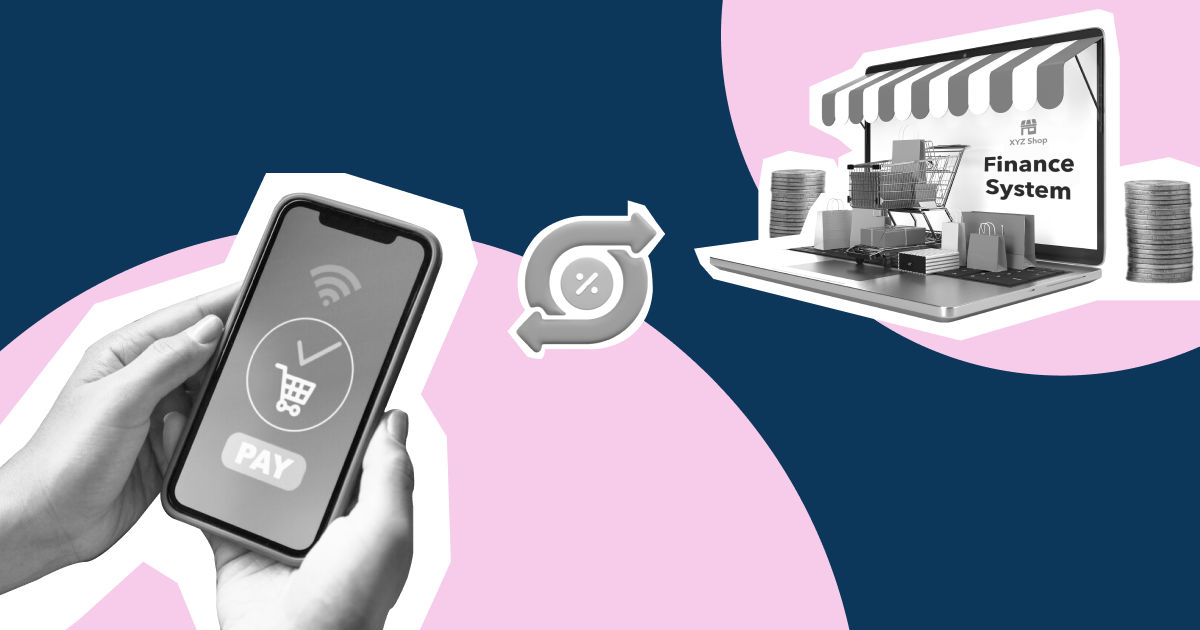
No. The Peppol network only exchanges structured invoice data. It doesn't move money or process payments. Businesses continue using their existing payment methods after invoices are reviewed and approved.
How Aspire assists businesses with e-invoicing
Peppol standardises the way invoice data is transferred between companies. Aspire helps finance teams deal with what occurs once invoices get there.
Aspire allows companies to consolidate accounts payable, payment approvals, cost management, and accounting operations on one platform. Deep connections with Xero, QuickBooks, NetSuite, and other accounting systems assist in minimising manual reconciliation, maintaining financial records in sync, and providing finance teams with better visibility into day-to-day operations.
If you’re thinking about Peppol e-invoicing in Australia, don’t only think about the invoice exchange. The biggest operational gains are made by linking invoice interchange to efficient approval workflows, payments, reconciliation, and accounting operations.
FAQs
Do I need to use e-invoicing in Australia?
Not for most companies. As a consequence of the government’s e-Invoicing First strategy, Australian Government agencies are required to be able to receive Peppol e-invoices from 1 July 2022. E-invoicing in Australia is voluntary for most private B2B (business-to-business) transactions. However, as more government agencies, trading partners, and accounting software vendors implement the Peppol framework, many organisations are embracing Peppol e-invoicing Australia to standardise invoice interchange and promote more uniform finance operations.
What is the e-invoicing requirement for 2026?
In 2026, there is no general requirement for e-invoicing for private organisations in Australia. Most private B2B adoption is voluntary, but Australian Government organisations need to be able to receive Peppol e-invoices.
Who has to do electronic invoicing?
Most private enterprises are not obligated to employ e-invoicing. Many prefer to implement it, as government customers, trading partners, or existing accounting software support the Peppol architecture.
Does Australia have e-invoicing?
Yes, Australia employs the Peppol framework for the exchange of structured e-invoices between compatible accounting systems. The ATO is Australia’s Peppol Authority for secure and interoperable invoice exchange.
Do I need to switch accounting software to use e-invoicing?
Not necessarily. A lot of accounting platforms already support Peppol or can connect through a Peppol Service Provider approved by the ATO. Check if your current software can do the job before looking for a new one.
E-invoicing: can it work for small businesses?
Yes. Companies of any size can start using e-invoicing if they have the right software that is integrated with the Peppol network. Many small organisations can enable it through their existing accounting systems.
Are e-invoices replacing company payments?
No. E-invoicing exchanges structured invoice data, not money. Businesses continue to use their current payment methods once invoices are received, reviewed, and approved.


















.jpeg)






























.jpeg)





.jpeg)


.jpeg)